

I still remember the moment our compliance lead walked into a product sprint meeting, slapped a regulatory notice on the table, and said, “We have 48 hours to fix this or we’re pulling the app.” That was the day I truly understood that building a neobank isn’t just about slick UI and fast onboarding — it’s about playing by a very specific, very unforgiving set of rules.
If you’re on a fintech team building or scaling a neobank, compliance isn’t a checkbox you handle after launch. It’s the foundation. And the frustrating part? A lot of teams don’t find out they’ve missed something until a regulator knocks.
So here’s what I’ve learned — sometimes the hard way — about the compliance rules that actually matter.
1. KYC Isn’t Optional, It’s Your First Line of Defense
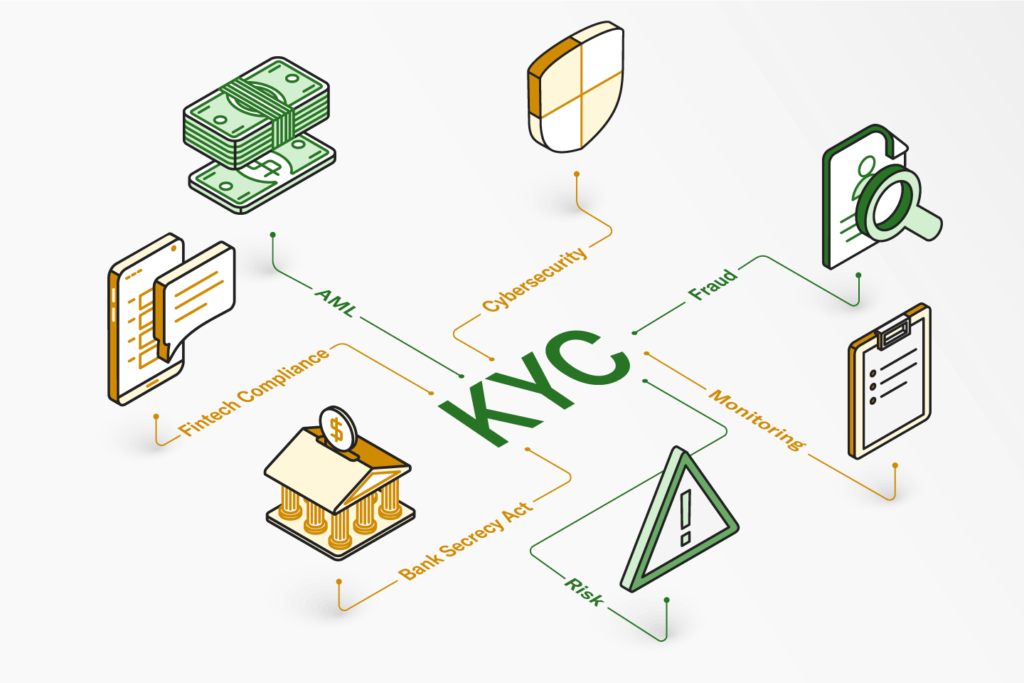
Know Your Customer (KYC) is probably the compliance rule most fintech teams know about, but far fewer get right.
It’s not just about collecting a selfie and an ID scan. KYC means verifying that your customer is who they claim to be, assessing their risk level, and documenting that process so a regulator can audit it years from now.
The common mistake I’ve seen? Teams treat KYC as a one-time onboarding step. But KYC is ongoing. If a user’s transaction patterns change dramatically — say, they go from depositing $200/month to $20,000/month — you’re expected to re-verify and update their risk profile.
Tools like Jumio, Onfido, and Sumsub have made this easier. But the tool is only as good as the logic you build around it.
What your KYC process should cover:
| KYC Component | What It Means in Practice |
|---|---|
| Identity Verification | Government ID + liveness check |
| Address Verification | Utility bill or bank statement |
| Risk Scoring | Low/Medium/High based on transaction behavior |
| Ongoing Monitoring | Trigger re-KYC on suspicious activity |
| Record Keeping | Store records for 5–7 years depending on jurisdiction |
2. AML Programs Have to Be Actually Functional, Not Just Documented
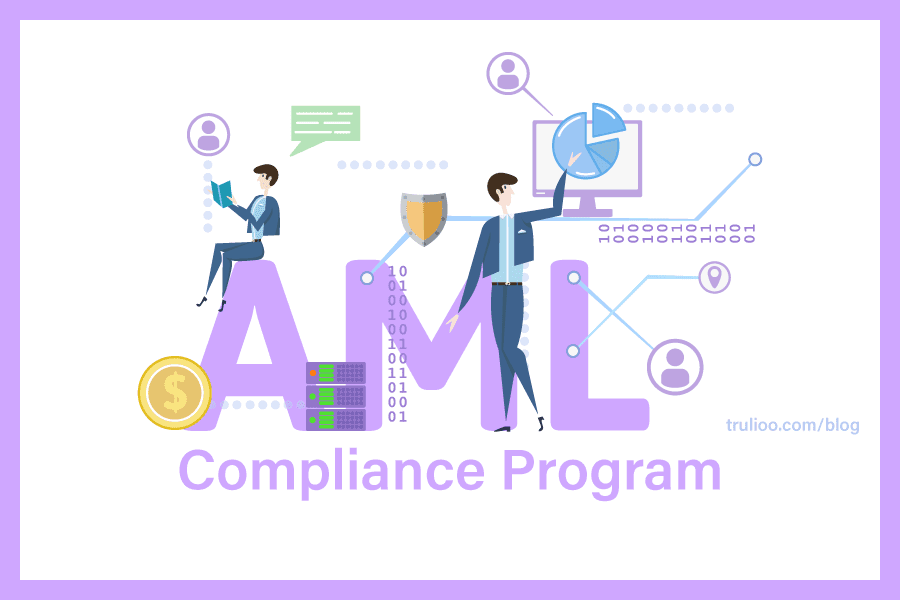
Anti-Money Laundering (AML) compliance is one of those areas where having a policy document isn’t enough. Regulators want to see that your AML program is operational — that real humans or systems are reviewing flagged transactions, that you’re filing Suspicious Activity Reports (SARs), and that there’s a clear escalation path.
I’ve reviewed compliance frameworks where teams had beautifully written AML policies, but the transaction monitoring system was throwing so many false positives that analysts were just bulk-clearing alerts. That’s a disaster waiting to happen.
Your AML program needs:
- Transaction monitoring rules tuned to your customer base (not just default settings)
- A trained compliance officer who actually owns the program
- SAR filing procedures with documented timelines
- Staff training — at least annually, and logged
One more thing: if you’re using a Banking-as-a-Service (BaaS) partner, don’t assume they handle AML for you. Clarify in writing who owns what.
3. Licensing — Know Which One You Actually Need
This one trips up more early-stage teams than almost anything else.
There’s no single “neobank license.” Depending on your country, your business model, and the products you offer, you might need a Payment Institution license, an E-Money Institution (EMI) license, a full banking charter, or something else entirely. In the US, the picture gets even messier — you might need state-by-state money transmitter licenses (MTLs) on top of anything federal.
A team I consulted for spent eight months building a lending product, only to realize mid-build that they needed a separate consumer lending license that their EMI license didn’t cover. Eight months.
Quick reference by region:
| Region | Common License Types |
|---|---|
| European Union | EMI License, Payment Institution License |
| United Kingdom | FCA Authorized EMI or API |
| United States | State MTLs, OCC Charter, FDIC Membership |
| Pakistan / South Asia | SBP EMI License, NBFC License |
Always get a fintech-specialized attorney to review your structure before you build. It’s cheaper than pivoting later.
4. Data Privacy Laws Apply to You — All of Them That Overlap
If your neobank serves customers in Europe, you follow GDPR. If you have California users, CCPA applies. If you’re in Pakistan, the Personal Data Protection Bill is moving forward. In India, the DPDP Act is now in force.
The trap here is assuming one framework covers you everywhere. It doesn’t.
What actually matters from a compliance standpoint:
- Users must be able to request their data, correct it, or delete it
- You need explicit consent for marketing communications
- Data breaches must be reported within defined windows (72 hours under GDPR)
- Third-party vendors who handle customer data must sign Data Processing Agreements (DPAs)
For neobank digital wallet security audits, data privacy and security intersect heavily — a weak data protection posture isn’t just a legal risk, it’s a technical one.
Don’t forget: Privacy policies need to be written in plain language that an average user can actually understand. A 40-page legal document buried in your app’s footer doesn’t cut it with regulators anymore.
5. Consumer Protection Rules Are Getting Stricter — And More Specific
Regulators have started paying very close attention to how neobanks treat customers when things go wrong. Unauthorized transactions, account freezes, dispute resolution timelines — these are all areas where consumer protection rules kick in.
In the US, Regulation E governs electronic fund transfers. In the UK, the FCA’s Consumer Duty (which came into full force in 2023) requires firms to demonstrate they’re delivering “good outcomes” for customers — not just technically complying with rules.
What this means practically:
- Dispute resolution must have a documented process with clear timelines
- You can’t bury account freeze policies in terms and conditions
- Customer-facing communication during issues must be clear, not evasive
- Vulnerable customers need to be identified and given additional support
I’ve seen neobanks get hit with regulatory sanctions not because they broke the law, but because their customer service process during disputes was opaque and slow. The regulator’s argument was essentially: “You failed to treat customers fairly.” That’s a standard that goes beyond rule-following.
6. Sanctions Screening Is Non-Negotiable and Must Be Real-Time
Every transaction on your platform needs to be screened against sanctions lists — OFAC in the US, HM Treasury in the UK, EU consolidated list, and UN sanctions at minimum.
The critical word here is real-time. Screening customer names during onboarding and then never again isn’t sufficient. People get added to sanctions lists. Geopolitical situations change overnight.
A few things to get right:
- Integrate a live sanctions data feed into your transaction monitoring system
- Don’t rely on name-matching alone — use fuzzy matching to catch variations in spelling
- Document every hit and every decision — including why you cleared something as a false positive
- Have a blocking and rejection process for confirmed matches
Tools like Dow Jones Risk & Compliance, LexisNexis, and ComplyAdvantage provide real-time sanctions data feeds with decent API integrations. Budget for this properly — it’s not optional infrastructure.
7. Capital and Liquidity Requirements: Don’t Underestimate Them
This is the compliance rule that most early-stage fintech teams genuinely don’t think about until they’re applying for a license — and then it hits them like a wall.
Depending on your license type, you may be required to hold a minimum amount of capital in reserve at all times. For an EMI in Europe, that baseline can start at €350,000. For a full banking charter, you’re looking at millions. And it’s not a one-time thing — you need to maintain ratios and report on them regularly.
There’s also liquidity. If customers can withdraw funds, you need to ensure you always have enough liquid assets to cover a defined percentage of outstanding customer funds. This is called safeguarding in the UK/EU context, and it’s strictly monitored.
Practical steps your team should take early:
- Model your capital requirements based on the license you’re targeting
- Understand the safeguarding rules specific to your jurisdiction
- Set up a dedicated safeguarding bank account with an approved institution
- Build financial reporting into your operations from day one — not as an afterthought
For deeper technical insights on how security audits intersect with financial infrastructure, check out 11 tested technologies for neobank digital wallet security audits — some of those audit approaches directly support financial controls too.
8. Third-Party and Vendor Risk Management Is Your Responsibility
Here’s the part that surprises a lot of teams: when you use a third-party BaaS provider, payment processor, or cloud infrastructure — and something goes wrong with them — the regulator still comes to you first.
You are responsible for the risks introduced by your vendors. That means:
- Due diligence before you sign — review their compliance certifications (SOC 2, ISO 27001, PCI-DSS)
- Contractual protections — SLAs, right-to-audit clauses, data processing agreements
- Ongoing monitoring — don’t just check once; review their compliance posture annually
- Exit plans — what happens to your customers’ data and funds if a vendor fails?
The EU’s DORA (Digital Operational Resilience Act), which came into force in January 2025, makes third-party ICT risk management legally mandatory for financial entities. Even if you’re not EU-based, this is the direction global regulation is heading.
| Vendor Type | Key Compliance Checks |
|---|---|
| BaaS Provider | Regulatory status, capital requirements, audit rights |
| Cloud Provider | Data residency, SOC 2, breach notification SLAs |
| KYC/AML Tool | GDPR compliance, data retention policies |
| Payment Processor | PCI-DSS certification, fraud liability terms |
9. Regulatory Reporting: If You Can’t Prove It, It Didn’t Happen
The final rule — and honestly the one that ties everything else together — is regulatory reporting.
Regulators don’t just want you to be compliant. They want documentation that you’re compliant, delivered on a schedule, in a format they specify.
Depending on your jurisdiction and license type, you might be required to submit:
- Monthly or quarterly financial returns
- Transaction volume reports
- Incident reports (within specific timeframes after a breach or outage)
- Annual compliance attestations
- Suspicious Activity Reports (SARs)
The mistake I see constantly is teams treating reporting as a manual, end-of-quarter scramble. By the time you’re manually pulling data to fill a regulatory report, you’re already behind.
Build reporting infrastructure into your data architecture from the start. Use tools like Looker, Tableau, or even a well-structured data warehouse so that compliance reports can be generated on demand — not assembled in a panic.
Also: keep an audit trail for everything. Every KYC decision, every flagged transaction, every manual override. If a regulator asks why you cleared a particular alert eighteen months ago, you need to be able to answer that question with documentation, not a guess.
For teams building out their internal audit capabilities, 12 best practices in evaluating systems for neobank digital wallet security audits is worth a read — a lot of the audit infrastructure overlaps directly with compliance reporting needs.
Common Mistakes That Fintech Teams Make (And How to Avoid Them)
| Mistake | Why It Happens | How to Fix It |
|---|---|---|
| Treating KYC as one-time | Focused on onboarding speed | Build ongoing monitoring triggers |
| Assuming BaaS handles compliance | Misreading vendor agreements | Audit your contracts; clarify ownership |
| Ignoring data privacy overlaps | Focused on one market | Map your users to applicable regulations |
| Underbudgeting for licensing | Optimism in early stages | Get legal advice before product build |
| Manual regulatory reporting | No data infrastructure | Build reporting into your data stack early |
| Weak sanctions screening | False positive fatigue | Tune your rules; don’t batch-clear alerts |
A Few Honest Final Thoughts
Compliance in neobanking isn’t a department — it has to be a mindset baked into how your entire team operates. The teams I’ve seen struggle the most are the ones who hired a compliance officer as an afterthought, post-launch, when regulators were already asking questions.
The good news is that regulators, at least in most markets, are increasingly open to dialogue. If you’re uncertain about something, asking for guidance early is almost always better than guessing and getting it wrong.
Build compliance into your sprints. Review it in your quarterly planning. And for the love of everything, document as you go — not retroactively.
Want to understand how security audits and compliance intersect technically? Read this: 7 Must-Do Security Audits of Neobanks & Digital Wallets You Should Never Ignore — it covers the technical audit side that complements everything discussed here.