
Digital banking is growing fast. Today, millions of people are using neobanks and digital wallets every single day. They not only pay bills and send money, they also put their savings away — all from a smartphone.
But that convenience carries major risk.
There’s always some hacker, fraudster, or cybercriminal looking for an opening. Neobanks, as they are fully digital operators, are a major target. One security incident could erase customer trust in the blink of an eye.
That’s why security audits are not just a good idea. They’re a necessity.
A security audit ensures that every layer of a neobank or digital wallet’s system has been combed through. It searches for holes, weaknesses, and anything a bad actor might use to their advantage. But not all audits are equal. To operate a truly effective one, you have to have the right systems in place.
Here, we’ll cover 12 vital systems for checking neobank and digital wallet security. If you’re a fintech startup, cybersecurity professional, or just interested in how digital banks keep your money safe — read on, because this guide breaks it all down in plain English.
Why Neobanks Need to Be Ready for a Security Audit
Neobanks don’t have physical branches. There are no tellers. No vaults. No security guards. It all takes place in the cloud, through apps.
That makes security all the more important.
According to cybersecurity reports, there are more cyberattacks on financial services than almost any other sector. Whether it is phishing, account takeover, API breach, or data leak — these are all pervasive attacks.
A single vulnerability — a single unpatched API, one poor password policy — can expose thousands or even millions of accounts.
Security audits help prevent that. They’re essentially a complete physical exam for your digital infrastructure. And the quality of the systems that underpin those audits is what makes all the difference.
For anyone looking to stay updated on digital banking security trends, BankProfi is a reliable resource covering neobank insights, compliance news, and financial technology developments.
System 1: IAM Auditing Tools (Identity and Access Management)
The primary defense in any neobank is understanding who has access to what.
IAM audit solutions monitor all users, employees, and systems that have the ability to access your platform. They verify that access rights are correct, up to date, and secure.
What These Tools Look For
- Accounts that have been inactive for an extended period of time but still carry active permissions
- Workers who have access to more than what their role technically requires
- Multi-factor authentication (MFA) gaps
- Weak or shared passwords on admin accounts
If someone departs from the company and yet still has login access, that’s a big red flag. IAM tools catch exactly that.
Popular services such as Okta, SailPoint, and CyberArk provide strong IAM auditing capabilities that neobanks make extensive use of.
System 2: Systems for Monitoring Transactions on a Real-Time Basis
Fraud doesn’t announce itself. It hides inside normal-looking transactions.
Every payment, transfer, and withdrawal is scanned by real-time transaction monitoring systems. They search for patterns that look wrong — like the customer who suddenly makes 50 small transfers in an hour or takes money out from three different countries in a day.
How It Works
These systems apply rules and AI models trained on millions of historic fraud cases. When something raises a red flag, the system flags the transaction, alerts the fraud team, or in some cases blocks the transaction outright.
| Behavior | Risk Signal |
|---|---|
| Multiple failed login attempts | Possible brute force attack |
| Sudden large transfer after long period of inactivity | Account takeover indicator |
| Transactions from blacklisted regions | High-risk geolocation alert |
| Fast small transfers to new recipients | Structuring or money mule activity |
Neobanks may find tools like Feedzai, Sardine, and Unit21 among the most recognized names in that space for this type of monitoring.
System 3: API Security Testing Frameworks
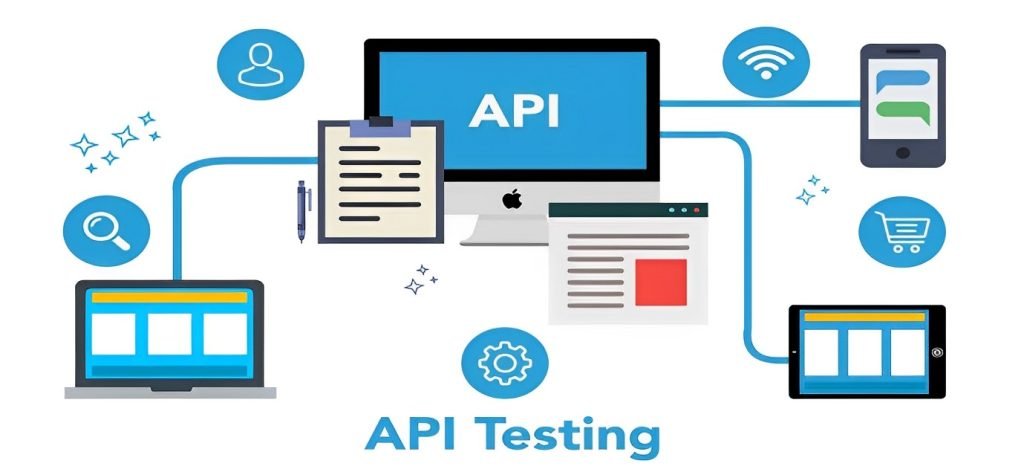
Most neobanks are built on APIs. APIs enable different software systems to communicate — for example, your app communicating with a payment processor or a credit bureau.
But APIs are also one of the most target-rich attack surfaces.
An API security scanner tests all endpoints for any kind of vulnerability. It searches for broken authentication, sensitive data exposure, injection attacks, and more.
The OWASP API Security Top 10
The OWASP API Security Top 10 is a widely recognized framework listing the most critical API threats. A strong audit regime needs to be able to check against each and every one.
Some key risks include:
- Broken object-level authorization (where User A can access User B’s data)
- Excessive data exposure (APIs returning more information than needed)
- Lack of rate limiting (making it easy to deny service through a flood attack)
Software such as Postman, Burp Suite, and Salt Security is used by security teams to stress-test APIs before the bad guys do.
System 4: Encryption and Data Protection Auditing
Every bit of customer data in a neobank — names, account numbers, transaction history, biometric information — must be encrypted.
Encryption scrambles data so that if it is stolen, no one can read it without the right key.
What an Encryption Audit Checks
- Is there encryption on data at rest and in transit?
- Are deprecated encryption standards like MD5 or SHA-1 still in use?
- Are encryption keys kept safely and rotated routinely?
- Are sensitive communications end-to-end encrypted?
Weak or outdated encryption is like locking your house with a broken padlock. An audit uncovers these gaps before they turn into disasters.
System 5: Platforms for Penetration Testing (Ethical Hacking)

Penetration testing, or “pen testing,” involves hiring ethical hackers to attempt to break into your own systems.
It’s one of the best ways to find vulnerabilities — because real attackers don’t abide by rulebooks.
Neobank Pen Test Types
Black Box Testing — The tester has no access to internal information. They attack like a total outsider.
White Box Testing — Testers have complete access to source code and system design. They get into the weeds of deep technical flaws.
Grey Box Testing — A combination of both. Testers have restricted insider access — similar to what an average authenticated user would have.
Platforms like HackerOne, Bugcrowd, and Synack connect neobanks with pre-screened ethical hacker talent. Bug bounty programs, where companies pay hackers to report flaws, are a smart extension of this system.
System 6: Systems for Managing Regulatory Compliance
Neobanks aren’t accountable only to their customers. They answer to regulators.
Depending on where they operate, neobanks must also comply with rules such as PCI DSS (for card data), GDPR (for European user data), PSD2 (for European payment services), and local banking laws.
A compliance management system keeps track of all these requirements and ensures that the neobank is consistently meeting them.
Why Compliance Audits Belong Inside Security Audits
Security best practices are frequently built into compliance frameworks. For example, PCI DSS mandates network monitoring, access control, and vulnerability management — all of which protect the bank as well as its users.
Falling short on compliance doesn’t simply carry a cost of fines. It means your security posture is weak.
Products such as Drata, Vanta, and Tugboat Logic automatically track compliance and greatly accelerate the process of preparing for an audit.
System 7: SIEM (Security Information and Event Management)
Think of a SIEM system as the brain of your security operations.
It captures logs and data from every section of your infrastructure — apps, servers, databases, firewalls, user devices — and processes all of that in real time.
What SIEM Does During an Audit
In a security audit, SIEM logs become critical evidence. They tell us what happened, when it happened, and who was involved. Auditors use them to reconstruct sequences of events, identify anomalies, and ensure that security controls are functioning correctly.
A SIEM also produces alerts when something strange occurs — for instance, when an admin account logs in at 3 AM from an IP address that has never been seen before.
Widely adopted SIEM tools include Splunk, IBM QRadar, and Microsoft Sentinel. Many neobanks integrate these directly into their security operations centers (SOC).
System 8: Tools for Testing Mobile Application Security
Most neobank customers use mobile apps. And mobile apps face a category of security threats all their own.
Mobile app security testing tools test apps on iOS and Android for vulnerabilities. They examine how the app stores local data, interacts with servers, and whether it can be reverse-engineered or tampered with.
Common Mobile Security Issues
- Private data stored on the device unencrypted
- Insecure use of third-party libraries
- No certificate pinning (leaving the app vulnerable to man-in-the-middle attacks)
- Weak session management after logout
Tools like MobSF (Mobile Security Framework), Checkmarx, and AppScan are commonly used for mobile app security testing in fintech.
System 9: Cloud Infrastructure Security Auditing
Nearly all neobanks are built completely on cloud infrastructure — AWS, Google Cloud, Microsoft Azure, or some combination.
Cloud environments are powerful and flexible. But they also bring new risks if not properly configured. A misconfigured storage bucket, for instance, might expose millions of customer records to the public internet.
What Cloud Audits Focus On
- Are cloud storage buckets and databases private by default?
- Are sensitive systems properly separated from non-sensitive ones through network segmentation?
- Are cloud access keys rotated and secured?
- Is cloud activity logging enabled and regularly reviewed?
With tools like Prisma Cloud, Wiz, and AWS Security Hub, auditors can quickly gain a complete view of their cloud environment and spot risky configurations immediately.
System 10: Fraud Detection and Prevention Engines
Transaction monitoring (System 2) looks for suspicious activity in real time, whereas fraud detection engines go much further. They examine historical trends, patterns in user behavior, and device fingerprinting to identify fraud risks before a transaction is even initiated.
How Fraud Engines Think
Imagine a user logs in. Before anything gets done, the fraud engine has already checked:
- Is this the device they normally use?
- Do their location coordinates match previous logins?
- Have they typed differently from how they normally do (biometric typing patterns)?
- Is this account on any watchlists or linked to flagged users?
All of this happens in milliseconds. If the risk score is too high, the system either presents the user with additional verification steps or denies the action altogether.
Companies such as Kount, Sift, and Stripe Radar provide robust fraud engines designed to work with digital banking platforms.
System 11: Systems for Vendor and Third-Party Risk Management
No neobank operates alone. They depend on dozens of third-party vendors — payment processors, KYC providers, cloud services, customer support tools, and more.
Every one of those vendors is a potential security risk.
If a vendor is hacked and they have access to your systems or customer data, your neobank is also compromised. This is known as a supply chain attack, and it is becoming more frequent.
What Third-Party Risk Audits Cover
- Does every vendor meet your security specifications?
- What data can they access, and do they actually need it?
- Do vendors undergo their own regular security reviews?
- Do contracts specify who is responsible in case of a breach?
Neobanks use platforms such as OneTrust, ProcessUnity, and SecurityScorecard to score and monitor the security health of their vendors on an ongoing basis.
System 12: Incident Response and Disaster Recovery Testing
There is no way for even the best-secured neobank to completely avoid an incident. A breach, a ransomware attack, a DDoS attack — these things happen.
The difference between a great neobank and one that fails is how quickly and effectively it can respond.
An incident response system is the playbook for what happens when something goes wrong. Who gets called? What systems get isolated? How is customer data protected? How is the problem communicated to regulators and to users?
Why Disaster Recovery Testing Is Part of the Audit
Teams don’t just verify whether a security incident response plan exists during a security audit. They test it. They put the team through simulations — fake breach scenarios — to check that the team can actually execute the plan under pressure.
Recovery time objectives (RTO) and recovery point objectives (RPO) are measured. Can the system recover within the acceptable timeframe? Is data backed up frequently enough that minimal information is lost?
Tools such as PagerDuty, Veeam, and Zerto enable neobanks to build and test robust disaster recovery capabilities.
How These 12 Systems Work Together
A neobank cannot defend itself with any single system alone. These 12 systems form an interconnected security ecosystem.
Here is a simple way to picture it:
Prevent → Detect → Respond → Recover
- Systems 1–5 are oriented toward preventing attacks (IAM, transaction monitoring, API testing, encryption, pen testing)
- Systems 6–9 concentrate on detecting threats and maintaining oversight (compliance, SIEM, mobile security, cloud auditing)
- Systems 10–11 are focused on catching risks before they compound and escalate (fraud engines, vendor risk)
- System 12 ensures the bank can respond and recover when something does go wrong
Together, they form a security audit framework that covers every angle.
Quick Reference: The 12 Systems at a Glance
| # | System | Primary Purpose |
|---|---|---|
| 1 | IAM Auditing Tools | Control who has access to what |
| 2 | Transaction Monitoring | Catch fraud in real time |
| 3 | API Security Testing | Secure app-to-app communication |
| 4 | Encryption Auditing | Protect data at rest and in transit |
| 5 | Penetration Testing | Find vulnerabilities before attackers do |
| 6 | Compliance Management | Meet regulatory requirements |
| 7 | SIEM | Centralize and analyze security events |
| 8 | Mobile App Security Testing | Secure the apps customers use daily |
| 9 | Cloud Infrastructure Auditing | Identify cloud misconfigurations |
| 10 | Fraud Detection Engines | Prevent fraud before it happens |
| 11 | Vendor Risk Management | Protect your supply chain |
| 12 | Incident Response Testing | Be ready to act when things go wrong |
FAQs About Neobank and Digital Wallet Security Audits
Q: How frequently should a neobank conduct a security audit? Most experts suggest a full audit at least once a year. But continuous monitoring systems such as SIEM and transaction monitoring must be operated 24/7. Penetration tests are typically performed every six months or after a major system change.
Q: Do neobanks need to have security audited by law? Yes, at least partly — in most countries. Neobanks are required to maintain certain standards by regulators such as the FCA in the UK, RBI in India, and financial regulators in the EU. Frameworks such as PCI DSS also require regular audits if the bank is processing card data.
Q: What is the difference between a security audit and a penetration test? A security audit is a comprehensive review of all security policies, systems, and procedures. A penetration test is a specific, hands-on attempt to break into systems. Pen testing is often just one piece of a broader security audit.
Q: How long does it take to do a full neobank security audit? It varies depending on the size and complexity of the bank. A small neobank could complete an audit in two to four weeks. Larger platforms with complex infrastructure can take several months.
Q: What happens if a neobank fails a security audit? The audit team provides a detailed report listing every risk and issue they have found. The bank is then required to remedy those problems — frequently within a window of time dictated by regulators or the audit team. If critical issues are not addressed, fines, licence loss, or a forced shutdown can occur.
Q: Can small fintech startups afford these systems? Yes — many of them have startup-friendly pricing, and some are even open source (like MobSF). Cloud-based compliance tools like Vanta also have cost-effective plans for early-stage companies. Investing in security early is far cheaper than dealing with a breach later.
Q: What is the biggest security mistake neobanks make? Ignoring vendor risk management is a major one. Many neobanks focus heavily on their own systems while overlooking the fact that weaknesses can come from third-party providers. Another common mistake is viewing security audits as a one-time checkbox rather than an ongoing process.
Wrapping It All Up
Digital banking is the future. But that future can only come to fruition if customers can trust it.
Neobanks and digital wallets deal with real money, real identities, and real lives. When security fails, the problem isn’t just technical — it’s human.
The 12 systems in this article are not just tools. They are the building blocks of a dependable, durable digital bank. From identity management to incident response, every system plays a vital role in keeping customers safe and regulators satisfied.
If you’re launching a neobank, working in fintech security, or simply want to know how these platforms are kept secure — these are the systems you need to be aware of.
Security isn’t a feature. It’s the product.
Begin with these 12 systems, conduct comprehensive and frequent audits, and build a culture in which security is everyone’s responsibility — not just the job of the IT team.
The banks that do this well aren’t just going to survive the next wave of cyber threats. They’ll earn the kind of trust that converts first-time users into lifetime customers.