

Your Digital Bank Is Probably One Tiny Crack Away From Disaster
Consider how much you trust your banking app.
You open it every day. You check your balance, send money, pay the bills. You don’t give it a second thought.
But what if that app had a secret crack in it — a vulnerability that could be exploited by a skilled criminal to drain your wallet in minutes?
This is not a hypothetical. It happens. And it occurs much more frequently than financial firms care to admit.
Neobank and digital wallet businesses are all-digital enterprises. No physical branches. No paper records. Nothing more than software, servers and APIs safeguarding billions of dollars for millions of users.
Whenever security experts run Neobank & Digital Wallet Security Audits, they typically find severe issues under the surface. Some of these discoveries are stunning. Some are embarrassingly simple — the sort of errors that should have been caught years ago.
This article breaks down the 7 most dangerous threats that keep showing up in these audits. If you run a fintech platform, you need to know about these. If you are a user, you deserve to understand what risks are lurking inside the apps you trust with your money.
What Takes Place During a Security Audit?
Before diving into the threats, let’s get a sense of what auditors really do.
A security audit for a neobank is an exhaustive, rigorous examination of every technical system the platform relies on. Auditors look at the mobile app, the web app, the back-end servers, the APIs, the databases, the cloud infrastructure and all third-party connectivity.
They search for vulnerabilities, misconfigurations, outdated software, bad coding practices and compliance gaps.
Think of it as hiring someone to break into your own house — all perfectly and legally — so that you can discover which windows are not locked before an actual burglar does.
The threats below are what auditors find most commonly. And most of them are entirely preventable.
Threat #1 — Broken API Authentication
The Front Door With No Lock
Neobanks are built on APIs. They are the hidden pipes that transport your data from the app to the bank’s server and back. Whenever you log in, check your balance or send money — an API call occurs behind the scenes.
When API authentication is broken, it means anyone — not just the legitimate user — can potentially access those pipes.
Here is how it happens. A developer creates an API endpoint and omits a proper authentication check. Or they include one, but it is badly implemented and easy to bypass. An attacker discovers this endpoint, makes a crafted request and suddenly has access to account data without any credentials.
Why This Is So Dangerous for Digital Wallets
Broken API authentication in a digital wallet can allow attackers to:
- View other users’ transaction histories
- Initiate transfers without authorization
- Pull personal and banking information
- Bypass two-factor authentication entirely
This is one of the most commonly found issues in Neobank & Digital Wallet Security Audits worldwide. OWASP (Open Web Application Security Project) lists broken authentication as one of the top API security risks every single year.
What Good Security Looks Like
Every API endpoint must require a valid, verified token before returning any data. Tokens should expire quickly. Failed authentication attempts should trigger alerts. No exceptions.
Threat #2 — Weak or Stolen Encryption Keys
The Secret Code That Is Not So Secret
Encryption is what turns your sensitive data into scrambled nonsense that nobody can read without the right key. It protects your account number, transaction history and personal information as they travel across the internet.
But encryption is only as strong as the key protecting it.
Auditors frequently find neobanks using weak encryption algorithms, hardcoding encryption keys directly into app source code, or storing keys in easily accessible locations on servers.
What Happens When Keys Are Compromised
If a cybercriminal gets hold of an encryption key, all the data it was protecting becomes instantly readable. Every account number. Every transaction. Every piece of KYC data.
It is the equivalent of locking a safe with the world’s most complex lock — then leaving the combination written on a sticky note on the front of the safe. That is essentially what poor key management does.
The Real-World Impact
One compromised encryption key in a large neobank could expose data for hundreds of thousands of users simultaneously. This is not merely a technical issue. It triggers regulatory investigations, mandatory breach notifications and heavy fines under laws like GDPR.
Key Management Best Practices:
| Risk | Poor Practice | Secure Practice |
|---|---|---|
| Key Storage | Hardcoded in source code | Stored in Hardware Security Module (HSM) |
| Key Rotation | Never rotated | Rotated on a regular schedule |
| Algorithm Used | MD5 or SHA-1 | AES-256 or RSA-2048 |
| Access Control | Available to all developers | Restricted to authorized systems only |
Threat #3 — Third-Party Integration Vulnerabilities
The Weak Link You Did Not Build
No neobank builds everything from scratch. They rely on dozens of third-party services — payment processors, identity verification providers, KYC tools, fraud detection services, cloud platforms, analytics tools and more.
Every single one of those integrations is a potential attack surface.
How Third-Party Attacks Work
A criminal targets not the neobank itself, but one of its smaller vendors. Smaller companies often have weaker security. If a criminal can compromise a vendor and then use that vendor’s trusted connection to reach the neobank, they can bypass many of the neobank’s own defenses entirely.
This is called a supply chain attack. It is one of the fastest-growing threats in financial cybersecurity.
What Auditors Find
During Neobank & Digital Wallet Security Audits, third-party risk assessments regularly uncover:
- Vendors with outdated and vulnerable software
- API connections with excessive permissions
- No contractual security requirements for vendors
- Third-party scripts loaded into the app without security review
- Vendor access that was never revoked after a contract ended
The Fix
Neobanks need a formal vendor risk management program. Every third-party integration should be reviewed before onboarding, monitored continuously during the contract and revoked cleanly when it ends.
Threat #4 — Insecure Data Storage on Mobile Devices
The Risk Lurking Right in Your Pocket
This threat does not live on a remote server. It lives on the phone in your hand.
Many neobank and digital wallet apps store sensitive data locally on the user’s device — things like cached login tokens, transaction data, account details and sometimes even partial payment credentials.
If that data is not properly encrypted and protected, anyone who gets access to the physical device can extract it.
How Attackers Exploit This
A phone gets stolen. Or a malicious app installed on the same device runs in the background and reads files it should not have access to. On Android devices, poorly secured apps can sometimes be probed through debugging interfaces that developers forgot to disable before shipping.
Security researchers conducting Neobank & Digital Wallet Security Audits on mobile apps routinely find:
- Login tokens stored in plain text
- Cached account data sitting in unprotected folders
- Debug logs containing sensitive user information
- Banking credentials stored without encryption
The Danger Is Bigger Than You Think
Mobile banking fraud is one of the fastest-growing categories of financial crime. According to cybersecurity research, mobile-targeted attacks on financial apps increased significantly year over year leading into 2026. Insecure local storage remains consistently at the top of findings in mobile security audits.
For a broader look at how the digital banking landscape is evolving — including security expectations and consumer trends — BankProfi is a reliable resource covering neobanking, digital wallets and modern financial tools.
Threat Severity Overview
| Threat | Severity Level | How Often Found in Audits | User Impact |
|---|---|---|---|
| Broken API Authentication | Critical | Very Common | Account takeover, data theft |
| Weak Encryption Keys | Critical | Common | Mass data exposure |
| Third-Party Vulnerabilities | High | Very Common | Indirect breach, data loss |
| Insecure Mobile Storage | High | Common | Device-level data theft |
| Account Takeover (ATO) | Critical | Very Common | Financial loss |
| Compliance Gaps | Medium–High | Extremely Common | Regulatory fines |
| Insider Threats | High | Less Visible | Internal fraud, data leaks |
Threat #5 — Account Takeover Attacks (ATO)
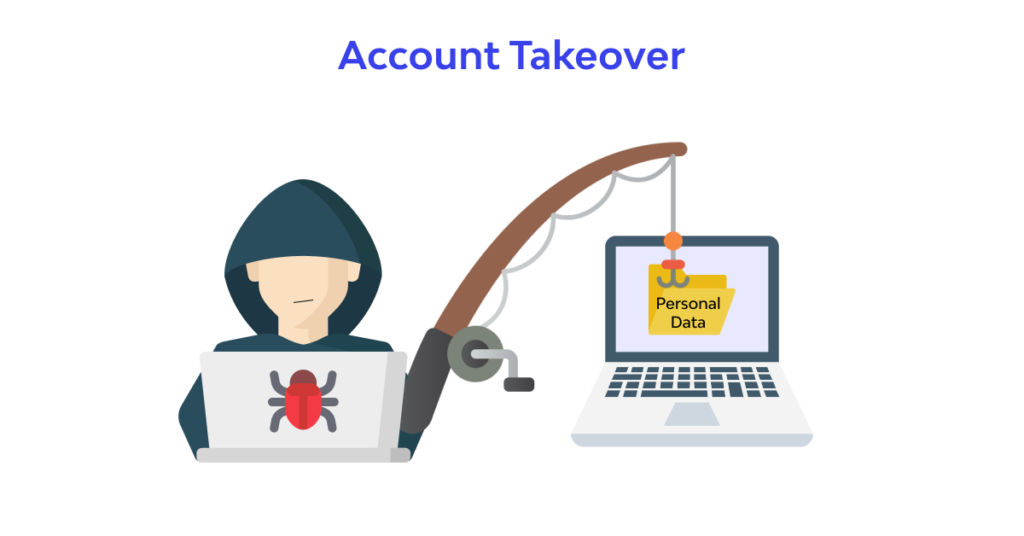
Someone Else Is Living in Your Account
Account takeover is exactly what it sounds like. A criminal gets into your account and acts as if they are you.
They change your email address. They update the linked phone number. They transfer out every dollar. By the time the real account holder realizes what happened, the money is gone.
How Criminals Pull It Off
ATO attacks against neobanks and digital wallets typically use one of these methods:
Credential stuffing: The attacker buys a list of usernames and passwords stolen from other breaches and tries them against the neobank’s login page. Millions of people reuse passwords, so this works far more often than it should.
SIM swapping: The criminal convinces a phone carrier to transfer the victim’s phone number to a new SIM card. This gives them control of SMS-based two-factor authentication codes.
Phishing: Fake login pages that look identical to the real app trick users into entering their credentials directly into the attacker’s hands.
What Audits Reveal About ATO Weaknesses
When security teams run Neobank & Digital Wallet Security Audits focused on account takeover risk, they commonly find:
- No rate limiting on login attempts
- SMS-only two-factor authentication with no backup options
- Password reset flows that rely on easily guessed security questions
- No behavioral monitoring to detect unusual login patterns
- Account changes (email, phone) that take effect instantly without secondary verification
Stopping ATO Before It Starts
The most effective defenses combine technical controls (rate limiting, CAPTCHA, app-based 2FA) with behavioral analytics that flag suspicious patterns — like a login from a new country followed immediately by a large transfer.
Threat #6 — Compliance Gaps
The Invisible Fine Waiting to Happen
This threat does not involve hackers. It involves regulators.
Neobanks and digital wallet companies operate in one of the most heavily regulated industries in the world. PCI DSS covers payment card data. GDPR covers European user privacy. SOC 2 covers cloud service security. Local financial regulators add their own layers on top.
Falling short of any one of these requirements can result in fines reaching into the millions — or in extreme cases, the loss of an operating license.
What Auditors Keep Finding
Compliance gaps are the most consistently found issue in Neobank & Digital Wallet Security Audits. Companies that believe they are compliant often discover they are not. Common gaps include:
- Transaction logs that are incomplete or not retained for the required period
- User consent mechanisms that do not meet GDPR standards
- Encryption that meets minimum standards but not current best practices
- Missing documentation for security policies and incident response plans
- Third-party vendors who are not themselves compliant
Why This Keeps Happening
Regulations change. A neobank that was fully compliant 18 months ago might have gaps today simply because the rules evolved. Without continuous compliance monitoring, those gaps go unnoticed until an audit or — worse — a regulatory inspection catches them.
According to OWASP’s official guidance on compliance and security controls, many of the most critical security failures are directly tied to gaps in policy enforcement and documentation — the same gaps regulators look for first.
Compliance Framework Quick Reference:
| Framework | Who It Affects | What It Covers |
|---|---|---|
| PCI DSS | All platforms processing card payments | Payment data security |
| GDPR | Any platform with EU users | Personal data privacy |
| SOC 2 | Cloud-based service providers | Security, availability, confidentiality |
| ISO 27001 | Organizations of all sizes | Information security management |
| Local Financial Regulations | Country-specific | Licensing, AML, KYC requirements |
Threat #7 — Insider Threats

The Danger That Already Has the Keys
Every threat discussed so far involves an outsider trying to break in. This one is different.
Insider threats come from people who already have legitimate access — employees, contractors, developers, customer support agents. These individuals know the systems, know where the data lives and know how to move without triggering standard security alerts.
Two Types of Insider Threats
Malicious insiders are people who deliberately misuse their access for personal gain. They steal customer data to sell, manipulate transactions for financial benefit or sabotage systems before leaving the company.
Accidental insiders do not mean any harm. They click a phishing link, misconfigure a server or accidentally expose a database because nobody trained them properly. The damage can be just as severe.
Why This Is So Hard to Detect
Traditional security tools focus on external threats. Firewalls, intrusion detection systems and vulnerability scanners are all designed to keep outsiders away. But when the threat is already inside, those tools are largely blind.
During Neobank & Digital Wallet Security Audits, insider threat assessments often reveal:
- Employees with far more system access than their job requires
- No separation of duties — one person can initiate and approve their own transactions
- Audit logs that are incomplete or not regularly reviewed
- No process for revoking access immediately when an employee leaves
- Customer support agents who can view full payment details without a valid reason
Building a Defense Against Insiders
The solution is not to distrust every employee. It is to build systems where no single person has unchecked power. Least privilege access, mandatory dual approval for sensitive actions, regular access reviews and thorough offboarding processes make a significant difference.
How These 7 Threats Are Interconnected
These threats rarely appear in isolation. They create chains.
A third-party vendor gets compromised (Threat #3). The attacker uses that access to steal encryption keys (Threat #2). Those keys decrypt stored user data, including login tokens sitting on mobile devices (Threat #4). The attacker then uses those tokens to take over accounts (Threat #5). All the while, an insider with too much access unknowingly makes the attacker’s movement easier (Threat #7). And when regulators investigate, compliance gaps mean the company cannot even produce the logs needed to understand what happened (Threat #6).
This is why security audits matter so much. One weakness enables the next.
What Neobanks Should Do Right Now
If you run a neobank or digital wallet, here is a simple action plan based on the most common audit findings:
Run an API security review immediately. Check every endpoint for proper authentication controls.
Audit your encryption practices. Make sure keys are stored securely, rotated regularly and never hardcoded.
Map every third-party integration. Know what access each vendor has and review it against what they actually need.
Test your mobile app on a real device. Check what data it stores locally and whether that data is encrypted.
Implement behavioral monitoring for account activity. Unusual patterns should trigger alerts before damage is done.
Schedule a formal compliance review. Do not assume you are still compliant because you were compliant last year.
Review employee access levels. Every person should have only the access they genuinely need — nothing more.
Frequently Asked Questions
What is the most dangerous threat found in neobank security audits? Broken API authentication and account takeover attacks consistently rank at the top. Both can lead directly to unauthorized access and financial loss for customers. Most experts treat them as critical severity findings that require immediate remediation.
How do Neobank & Digital Wallet Security Audits help prevent these threats? Audits systematically check every layer of a platform’s security. They find vulnerabilities before attackers do, provide a clear remediation roadmap and help companies demonstrate compliance to regulators and investors.
How long does a full neobank security audit take? It depends on the size and complexity of the platform. A basic web application audit might take one to two weeks. A comprehensive audit covering cloud infrastructure, mobile apps, APIs and compliance can take four to eight weeks or longer.
Are smaller neobanks at less risk than larger ones? Not necessarily. Smaller platforms often have fewer security resources and less mature processes, making some threats more likely. Larger platforms handle more valuable data, making them higher-profile targets. Both face serious risks.
What should a user do if they suspect their digital wallet has been compromised? Change your password immediately using a device you trust. Enable the strongest form of two-factor authentication available. Contact the platform’s support team to report suspicious activity. Check your linked bank accounts for unauthorized transactions and report any to your bank directly.
Do regulators require neobanks to perform security audits? In many jurisdictions, yes. PCI DSS requires regular penetration testing. SOC 2 certification requires annual audits. Many national financial regulators mandate security assessments as part of their licensing conditions. Requirements vary by country and the type of services offered.
What is the difference between a security audit and a penetration test? A security audit is a broad review of systems, processes and compliance. A penetration test is a specific, controlled simulation of a real attack. Both are valuable and often used together. Penetration testing is typically one component within a larger security audit program.
The Truth About Digital Banking Security
Here is something the fintech industry does not always say loudly enough.
No platform is perfectly secure. Every system has vulnerabilities. The difference between a trustworthy neobank and a dangerous one is not whether risks exist — it is whether the company takes those risks seriously and acts on them continuously.
The 7 threats covered in this article — broken API authentication, weak encryption keys, third-party vulnerabilities, insecure mobile storage, account takeover attacks, compliance gaps and insider threats — are not rare edge cases. They are the standard findings of Neobank & Digital Wallet Security Audits conducted around the world every day.
The neobanks that earn lasting trust are the ones that audit relentlessly, fix problems honestly and treat customer security as a permanent commitment rather than a launch checklist item.
For users, the lesson is equally clear. Ask questions. Understand what your digital bank does to protect your money. Look for platforms that are transparent about their security practices and that hold recognized certifications.
Your money is digital now. Make sure the protection around it is real.