


I still remember the moment I almost deleted a neobank app within five minutes of signing up.
It wasn’t the UI. It wasn’t even a glitch. It was the fact that I had zero idea who was actually holding my money, what regulations they followed, or whether my data was going anywhere sketchy. The app looked slick, sure — but trust? That takes more than good design.
And honestly, that experience made me start paying way more attention to how neobanks behave behind the scenes. Compliance isn’t just legal paperwork — it’s the foundation of whether customers like you and me actually feel safe handing over our financial lives to a digital-only bank.
So here are six compliance practices I’ve seen done right (and sometimes terribly wrong), explained in plain English.
1. KYC That Actually Makes Sense (And Doesn’t Feel Like an Interrogation)
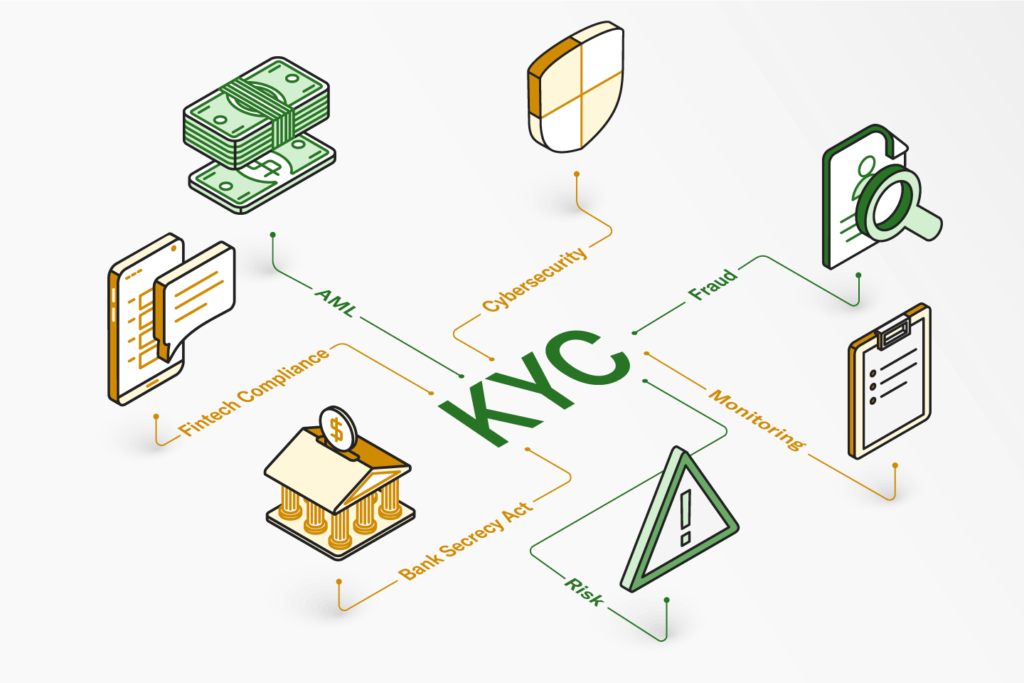
Know Your Customer — KYC — is the first thing any regulated financial institution has to do. But there’s a massive difference between KYC done well and KYC that makes you feel like a suspect.
I’ve gone through onboarding on at least a dozen neobanks at this point. The worst ones made me upload my ID four separate times, wait three days, and then never explained why they needed additional documents. I gave up. The best ones? They verified me in under two minutes using a live selfie match with my ID, explained clearly what they were checking and why, and sent a confirmation the moment I was approved.
Good KYC compliance isn’t just about following AML (Anti-Money Laundering) regulations — it’s about making the process feel human.
What strong KYC looks like in practice:
- Identity verification is automated but transparent (you know what’s happening and why)
- Clear communication if additional verification is needed — no vague “pending review” messages
- Biometric checks (selfie + ID match) that actually work without 10 retries
- A real timeline given upfront — “verification takes up to 24 hours” beats silence
Neobanks like Revolut and Monzo have invested heavily here. When something flags on their end, they tell you what happened — not in legalese, but in actual plain language.
Lesson learned the hard way: A friend of mine got his account frozen at a lesser-known neobank because he deposited a large freelance payment without warning. Nobody told him large transfers could trigger a review. He found out via a locked app screen. That’s a compliance failure — not because they froze the account (that’s actually correct procedure), but because they didn’t communicate it like a trustworthy institution would.
2. Clear and Honest Data Privacy Policies (Not the 40-Page Legal Wall)
Here’s something that genuinely surprised me: most people never read privacy policies. But they do notice when something feels off — like when an app suddenly has access to contacts they never consciously approved.
The neobanks that build real trust are the ones that translate their data practices into plain language. Not “we may share your information with third-party partners in accordance with applicable law” — but “we share your transaction data with fraud-detection services. Here’s why and here’s how to opt out.”
GDPR in Europe and various data protection frameworks elsewhere have pushed neobanks to be more transparent. But compliance with the letter of the law and compliance with the spirit of it are very different things.
| Practice | What Weak Compliance Looks Like | What Strong Compliance Looks Like |
|---|---|---|
| Data sharing disclosure | Buried in page 32 of the ToS | Clearly stated at sign-up with opt-out option |
| Data breach notification | Silent until forced to disclose | Proactive customer alert within 72 hours |
| Third-party data access | Vague references to “partners” | Named partners with explained purposes |
| Data deletion requests | Complicated multi-step process | One-click request inside the app |
I asked a neobank’s support chat once why they needed access to my phone’s location data. The response? A copy-pasted legal paragraph. That told me everything I needed to know about how they viewed customer relationships.
3. Deposit Protection — And Actually Telling People About It
This one is huge. And massively underrated.
Most people assume their money in a neobank app is insured the same way traditional bank deposits are. Sometimes that’s true. Sometimes it’s not. And the difference matters enormously.
In the US, FDIC insurance protects up to $250,000 per depositor per institution. In the UK, FSCS covers up to £85,000. But many neobanks operate as e-money institutions rather than licensed banks — which means your money might be held in a pooled safeguarding account, not directly insured.
That’s not inherently bad — pooled safeguarding can be robust — but customers deserve to know exactly what protects their money.
The neobanks that get this right make deposit protection information easy to find. Not buried under “Legal” in the footer — actually featured in the app, explained simply, with specifics. Chime, for example, clearly states that deposits are FDIC insured through their banking partners. That kind of transparency builds genuine confidence.
A practical check you can do right now:
- Open your neobank app
- Go to settings or “About”
- Search for “FDIC,” “FSCS,” or “deposit protection”
- If you can’t find it in under two minutes — that’s a red flag worth noting
Also worth checking: neobanks that offer investment or crypto features alongside regular banking often have different protections for those products. Compliance-conscious neobanks make this distinction crystal clear before you move money.
If you’re evaluating the security side of things more broadly, these 7 must-do security audits of neobanks and digital wallets are worth going through before you fully commit to any platform.
4. Anti-Fraud Systems That Work With You, Not Against You
There’s a version of fraud prevention that protects your money. And there’s a version that just makes your life miserable without actually stopping fraud.
I’ve experienced both.
The good version: I was traveling abroad and made a hotel payment. My neobank flagged it, sent me an instant push notification asking if the charge was mine, I tapped “Yes,” and it cleared in seconds. Zero friction, full protection.
The bad version: A different app blocked a completely normal online purchase, gave me no notification, and when I called to ask what happened, the automated system told me to wait 3–5 business days for a review. Meanwhile, I couldn’t pay for something I genuinely needed.
Compliance-driven fraud prevention should be proportionate, fast, and communicative. Regulatory frameworks like PSD2 in Europe mandate strong customer authentication (SCA) — but the implementation is what separates the good neobanks from the frustrating ones.
Signs of well-implemented anti-fraud compliance:
- Real-time alerts with clear action steps (not vague “suspicious activity detected” messages)
- Easy in-app dispute process — ideally resolved within 24 hours for small amounts
- Temporary card freeze you can trigger yourself (not waiting for a call center)
- Transparent transaction monitoring that explains flags without making you feel accused
Neobanks like Starling Bank have done genuinely impressive work here. Their fraud controls are robust and customer-friendly — which proves the two don’t have to be opposites.
If you want to dig deeper into how these systems are built, the 9 digital wallet and neobank security audits to protect your money breakdown covers a lot of the underlying mechanics.
5. Transparent Fee Disclosure — Because Hidden Charges Destroy Trust Overnight
Nothing tanks customer trust faster than a surprise fee.
I once moved money internationally through a neobank that advertised “no hidden fees.” Technically true — the fees were disclosed. But they were disclosed on page two of the transfer confirmation screen, after I’d already entered all my details, in a font size that required genuine concentration to read.
By then, most people just tap “confirm” and move on.
Real fee transparency — the kind that builds lasting trust — means showing customers the full cost upfront, clearly, before they’re already committed to a transaction.
Fee transparency best practices that compliant neobanks actually follow:
- Exchange rate margins shown explicitly (not just “competitive rates”)
- ATM withdrawal fee limits stated plainly, not just in the FAQ
- Subscription tier differences listed in a simple comparison table — not scattered across help articles
- Inactivity fees (if any) disclosed at signup, not discovered 18 months later
Here’s a comparison of how neobanks handle international transfer fee disclosure:
| Neobank Approach | Customer Experience | Trust Impact |
|---|---|---|
| Fee shown before confirmation | Clear, no surprises | High trust |
| Fee shown on confirmation screen only | Mildly frustrating | Moderate trust |
| Fee listed only in terms & conditions | Deceptive-feeling | Low trust |
| “Fee-free” but with inflated exchange rate | Misleading | Trust destroyed |
Regulatory bodies are getting stricter on this. The FCA in the UK has pushed hard for “clear, fair and not misleading” communications, and the CFPB in the US has similar requirements. Neobanks that proactively exceed these standards — rather than just meeting the minimum — are the ones building actual loyalty.
6. Regulatory Licensing — And Not Hiding Behind Partner Bank Structures
This one is the most nuanced, but arguably the most important.
Many neobanks don’t actually hold a banking license themselves. They partner with licensed banks to offer banking-like services. That’s not automatically bad — but how they communicate this to customers matters enormously.
I’ve seen neobank apps that show you a reassuring padlock icon, a “bank-grade security” badge, and deposit insurance messaging — without making it at all clear that the licensed institution is actually a third-party bank the customer has never heard of and never agreed to bank with directly.
Strong compliance practice here means being upfront: “We offer banking services through [Partner Bank], which is FDIC insured. Here’s what that means for your money.”
The licensing transparency checklist:
- Is the licensed banking partner clearly named in the app? (Not just in the terms)
- Is the regulatory body that oversees the neobank identified? (FCA, OCC, RBI, etc.)
- Are the limits of their license explained? (Can they offer loans? Investments? Or only payments?)
- Is there a complaints/escalation path that goes through the regulator if needed?
This became very real for a lot of customers when some smaller neobanks ran into trouble with their partner banks and had to suddenly migrate customer funds. The ones that communicated this clearly and quickly maintained customer trust. The ones that stayed quiet while scrambling behind the scenes? Many never recovered their reputation.
It’s also worth checking whether a neobank has faced any regulatory enforcement actions. This isn’t paranoia — it’s due diligence. The 10 smart neobank digital wallet security audit tips cover some practical ways to evaluate a platform before fully committing your finances to it.
Common Mistakes People Make When Evaluating Neobank Compliance
Before wrapping this up, a few things I’ve seen people get wrong — including myself, early on:
Assuming “app quality = financial safety.” A beautiful app with great UX can still be built on a shaky compliance foundation. Design and regulation are separate things.
Ignoring the “regulated by” text at the bottom of the screen. That small print actually tells you who’s watching the neobank — and whether that watchdog has teeth.
Not checking what happens to your money if the neobank closes. This should be a pre-signup question, not an afterthought. FDIC/FSCS protection, safeguarding arrangements, or lack thereof — know before you deposit.
Trusting “no fees” without understanding the revenue model. Every neobank makes money somehow. If it’s not obvious, it’s worth finding out before they make money off you in ways you didn’t expect.
Final Thoughts
Compliance might sound like a dry, legal topic — something for lawyers and regulators to sort out while the rest of us just use the app. But it’s actually what separates neobanks that last from those that disappear (sometimes with your money in limbo).
When a neobank does KYC clearly, explains your data rights simply, protects your deposit transparently, fights fraud intelligently, shows fees honestly, and is upfront about its licensing structure — that’s not just regulation. That’s respect for the customer.
And frankly, that’s what earns the kind of trust that keeps people from deleting the app in the first five minutes.
Also worth reading: 5 Powerful Neobank Digital Wallet Security Audits Secrets Banks Hide — some genuinely eye-opening information about what goes on behind the scenes at digital banks that most customers never find out.