

The modern neobank startup doesn’t fail because of bad UX or weak branding. More often, it struggles under the weight of compliance—slow onboarding, regulatory pressure, unclear responsibilities with partner banks, and rising operational costs. In 2026, compliance is no longer a slow, bureaucratic burden. When done right, it becomes a growth accelerator.
Startups don’t have the luxury of building massive compliance departments. They need fast wins—practical, high-impact moves that deliver results quickly without draining resources. This article breaks down nine such wins, grounded in real-world regulatory expectations, operational lessons, and emerging fintech practices.
the compliance reality startups must accept early
Many founders assume that partnering with a licensed bank removes most regulatory responsibility. That assumption is risky.
Regulators now expect neobanks to run their own compliance programs—even when operating through Banking-as-a-Service partners.
In fact, enforcement actions in recent years have shown that relying solely on a sponsor bank’s AML system is not enough.
This shift changes everything. Compliance is no longer outsourced—it is shared, audited, and enforced.
quick snapshot: where startups lose time in compliance
| Area | Common Startup Problem | Time Lost (%) |
|---|---|---|
| KYC onboarding | Manual document review | 30% |
| Transaction monitoring | High false positives | 25% |
| Reporting | Fragmented systems | 15% |
| Regulatory updates | No tracking system | 10% |
| Risk assessment | One-time instead of continuous | 20% |
win 1: automate onboarding with smart KYC pipelines
The fastest compliance win is fixing onboarding.
Traditional KYC processes are slow, manual, and error-prone. RegTech-driven onboarding automates identity checks, document verification, and risk scoring, reducing friction and improving accuracy.
Startups that implement automated onboarding early see:
- Faster customer activation
- Lower drop-off rates
- Reduced compliance workload
Reddit founders often highlight onboarding as the biggest bottleneck:
“One missed detail… can block onboarding or freeze accounts later.”
Table: onboarding speed comparison
| Method | Avg Onboarding Time | Error Rate | User Experience |
|---|---|---|---|
| Manual KYC | 24–72 hours | High | Poor |
| Semi-automated | 6–12 hours | Medium | Moderate |
| Fully automated KYC | Minutes | Low | Excellent |
win 2: reduce false positives with AI-driven monitoring
One of the biggest hidden costs in compliance is false positives.
Legacy systems flag too many transactions, forcing teams to investigate legitimate activity. AI-driven systems dramatically reduce this noise.
Real-world implementations show:
- 65–68% reduction in false positives
- Up to 4x better detection of complex fraud patterns
This is a massive operational win.
Chart: impact of AI monitoring
| Metric | Legacy System | AI-Based System |
|---|---|---|
| False Positives | 90%+ | <30% |
| Investigation Time | High | Low |
| Detection Accuracy | Moderate | High |
win 3: define clear responsibility with your sponsor bank
This is often overlooked—and costly.
In a BaaS model, compliance responsibilities are shared. But regulators expect clarity:
- Who handles KYC?
- Who files suspicious activity reports?
- Who monitors transactions?
Without clear boundaries, startups face duplicated work—or worse, gaps.
Table: split-responsibility model
| Function | Neobank Role | Sponsor Bank Role |
|---|---|---|
| Customer onboarding | Execute & verify | Oversight |
| AML monitoring | First-line detection | Program validation |
| Reporting | Data preparation | Filing authority |
win 4: implement a lightweight compliance management system (CMS)
You don’t need a massive compliance infrastructure to start—you need a structured one.
A basic CMS should include:
- Written policies
- Assigned compliance ownership
- Regular reporting cycles
Regulators care less about documentation volume and more about execution and accountability.
Think of CMS as your compliance operating system.
win 5: run continuous risk assessments (not yearly checklists)
Many startups treat risk assessment as a one-time exercise.
That’s a mistake.
Risk changes when:
- You launch new products
- Enter new markets
- Add new customer segments
Regulators look at how recently your risk assessment was updated. An outdated one signals weak compliance.
Table: risk assessment maturity
| Approach | Frequency | Effectiveness |
|---|---|---|
| Static | Yearly | Low |
| Event-driven | Quarterly | Medium |
| Continuous | Real-time | High |
win 6: centralize compliance data early
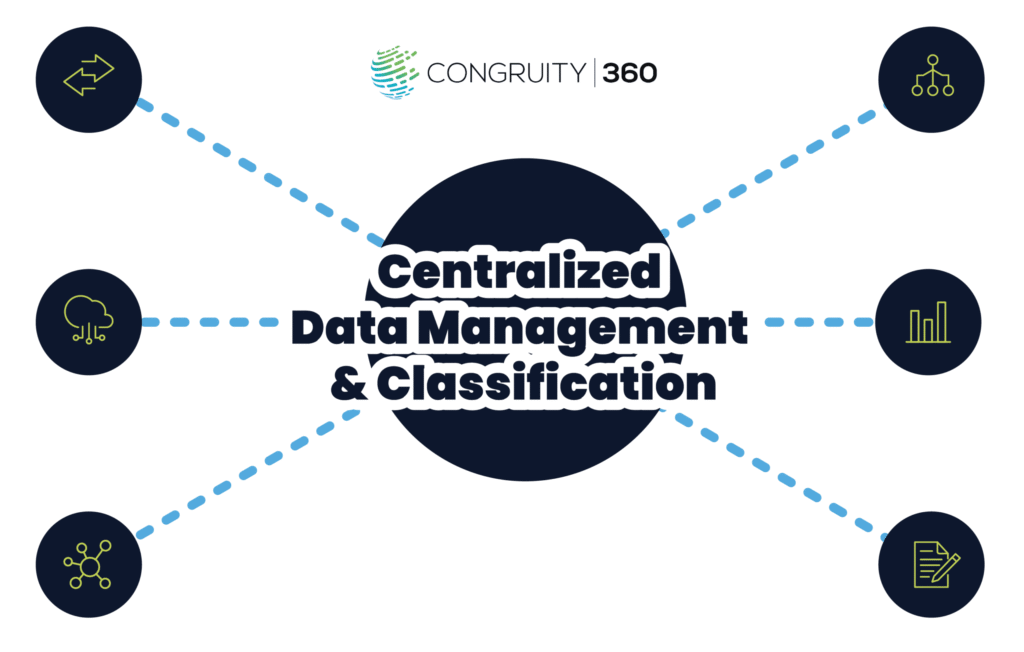
Data fragmentation slows everything.
When customer data, transaction logs, and compliance reports live in separate systems:
- Audits become painful
- Reporting becomes slow
- Errors increase
A centralized compliance data layer allows:
- Faster audits
- Better decision-making
- Real-time visibility
Reddit users highlight this as a real pain point:
“Data scattered everywhere → tons of manual work.”
win 7: adopt regtech instead of hiring large teams
Hiring more compliance analysts is not scalable.
RegTech tools automate:
- Monitoring
- Reporting
- Risk scoring
They improve accuracy, reduce manual effort, and lower costs significantly.
Table: cost comparison
| Approach | Cost Growth | Scalability | Accuracy |
|---|---|---|---|
| Manual teams | Linear | Low | Medium |
| RegTech solutions | Low | High | High |
win 8: design compliance-friendly user journeys
Compliance and UX are often seen as opposites. That’s outdated thinking.
Smart startups design flows where:
- Compliance checks feel invisible
- Verification happens in the background
- Users are guided, not blocked
This balance is critical because:
- Friction kills conversion
- Weak compliance invites penalties
The best neobanks treat compliance as part of product design—not a barrier.
win 9: build audit readiness from day one
Startups often prepare for audits only when they happen.
That’s too late.
Audit readiness means:
- Keeping detailed logs
- Maintaining audit trails
- Documenting decisions
Regulators don’t just check outcomes—they check processes.
Table: audit readiness checklist
| Requirement | Description |
|---|---|
| Audit trails | Track every compliance action |
| Documentation | Store policies and updates |
| Reporting logs | Maintain submission records |
| Monitoring evidence | Show system effectiveness |
mini roadmap: 30-day compliance upgrade plan
Week 1:
- Audit current compliance gaps
- Define ownership roles
Week 2:
- Implement automated KYC
- Centralize data sources
Week 3:
- Deploy AI monitoring tools
- Update risk assessment
Week 4:
- Build audit trails
- Document compliance workflows
what startups consistently get wrong
Even with good intentions, many startups repeat the same mistakes:
- Treating compliance as a “later stage” problem
- Over-relying on partner banks
- Ignoring data architecture
- Scaling users before scaling compliance
From community discussions:
“It’s rarely the UI… it’s compliance and KYC that slow everything down.”
This insight reflects a broader truth—compliance is the real bottleneck in fintech growth.
future trends shaping neobank compliance
Looking ahead, several trends will define the next phase:
- AI-led compliance workflows replacing manual reviews
- Real-time regulatory reporting becoming standard
- Cross-border compliance harmonization
- Predictive risk detection systems
AI-based AML systems already reduce false positives by up to 85–90% in advanced setups.
This signals a shift from reactive compliance to proactive intelligence.
frequently asked questions (FAQs)
- What is the fastest way for a neobank startup to improve compliance?
Automating KYC onboarding and transaction monitoring delivers the quickest impact with minimal manual effort. - Do startups need a full compliance team from day one?
No. A lean team supported by RegTech tools is usually more effective in early stages. - Can compliance slow down growth?
Yes, if poorly implemented. But when optimized, it actually improves user trust and scalability. - What is the biggest compliance risk for neobanks?
Weak AML controls and unclear responsibility with partner banks are the most common risks. - How often should risk assessments be updated?
Ideally continuously or at least whenever major changes occur in products or markets. - Is RegTech worth the investment for small startups?
Yes. It reduces long-term costs, improves accuracy, and scales far better than manual processes.
conclusion
Compliance doesn’t have to be slow, expensive, or overwhelming. For neobank startups, the smartest approach is not to build everything—but to focus on fast, high-impact wins.
Automated onboarding, AI monitoring, centralized data, and clear compliance ownership can transform compliance from a bottleneck into a competitive edge.
The startups that succeed in 2026 won’t be the ones that ignore regulation—they’ll be the ones that master it early, efficiently, and intelligently.