

The rise of neobanks has reshaped how financial services are delivered. Sleek mobile interfaces, rapid onboarding, and borderless transactions have made them incredibly appealing. But beneath that smooth user experience lies a dense layer of regulatory responsibility—especially when it comes to Anti-Money Laundering (AML).
For beginners stepping into the neobank ecosystem, AML can feel like a maze of acronyms, rules, and high-stakes decisions. Yet, mastering it early can save not only regulatory headaches but also protect the integrity of the entire business.
This article walks through twelve essential AML practices every beginner in the neobank space should understand and implement. It goes beyond theory by including practical insights, structured tables, and real-world applications.
understanding aml in the neobank context
AML refers to a set of procedures, laws, and regulations designed to stop the practice of generating income through illegal actions. In neobanking, AML is even more critical due to:
- Digital-only onboarding
- Cross-border transactions
- High transaction velocity
- Limited physical verification
Unlike traditional banks, neobanks must rely heavily on automated systems and data-driven processes, which introduces both opportunities and vulnerabilities.
- know your customer (kyc) is your foundation
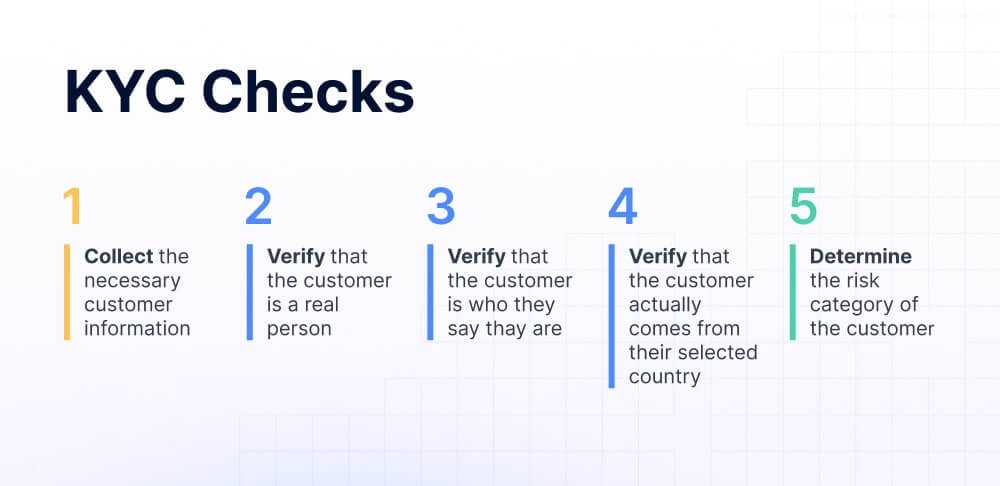
Every AML strategy begins with strong KYC. This is where you verify who your customers are before allowing them to use your services.
Key elements of KYC include:
- Identity verification
- Address verification
- Risk profiling
Table: KYC components and their purpose
| Component | Description | Risk Mitigation Benefit |
|---|---|---|
| Identity Proof | Passport, ID card | Prevents fake identities |
| Address Verification | Utility bills, bank statements | Confirms geographic legitimacy |
| Selfie/Video KYC | Biometric verification | Reduces impersonation risk |
| Risk Profiling | Behavioral + demographic data | Flags high-risk customers |
A weak KYC process is like building a house on sand. Everything else depends on it.
- adopt a risk-based approach
Not all customers carry the same level of risk. A student opening a savings account is different from a foreign business owner moving large sums.
A risk-based approach (RBA) allows neobanks to allocate resources effectively.
Risk categories:
| Risk Level | Characteristics | Required Action |
|---|---|---|
| Low | Local users, small transactions | Simplified monitoring |
| Medium | Moderate transaction volume | Standard monitoring |
| High | Cross-border, politically exposed | Enhanced due diligence (EDD) |
This approach ensures you’re not overburdening your system while still staying compliant.
- transaction monitoring systems are non-negotiable
AML doesn’t stop at onboarding. Continuous monitoring of transactions is crucial.
Modern neobanks use automated systems that:
- Detect unusual patterns
- Flag suspicious transactions
- Generate alerts
Chart: Typical transaction monitoring workflow
Step 1 → Transaction occurs
Step 2 → System evaluates behavior
Step 3 → Risk scoring applied
Step 4 → Alert generated if threshold exceeded
Step 5 → Compliance team reviews
Without this layer, illicit activities can go unnoticed for long periods.
- implement sanctions screening

Sanctions lists are maintained by global authorities. These lists include individuals, organizations, and countries associated with illegal activities.
Screening should happen:
- During onboarding
- During transactions
- Periodically for existing users
Table: Common sanctions sources
| Source Type | Examples |
|---|---|
| International | UN sanctions lists |
| Regional | EU consolidated lists |
| National | OFAC (USA), UK HMT |
Automating sanctions screening reduces manual effort and human error.
- enhanced due diligence (edd) for high-risk users
EDD is a deeper investigation required for high-risk customers.
When to apply EDD:
- Politically exposed persons (PEPs)
- High-value transactions
- Users from high-risk jurisdictions
EDD may include:
- Source of funds verification
- Detailed background checks
- Ongoing monitoring at higher frequency
This is where compliance teams spend most of their time, so efficiency matters.
- maintain strong record-keeping practices
Regulators often require financial institutions to retain records for several years.
What to store:
- Customer identity data
- Transaction history
- Communication logs
- Suspicious activity reports
Table: Suggested record retention periods
| Record Type | Retention Period |
|---|---|
| KYC Documents | 5–10 years |
| Transaction Records | 5–7 years |
| Suspicious Reports | 5+ years |
Good record-keeping ensures you’re prepared for audits and investigations.
- suspicious activity reporting (sar)
When suspicious behavior is detected, it must be reported to authorities.
Characteristics of suspicious activity:
- Unusual transaction patterns
- Structuring (smurfing)
- Sudden spikes in activity
SAR process overview:
Detection → Internal review → Decision → Report submission → Follow-up
Delays or failures in reporting can result in heavy penalties.
- continuous employee training
Even the best systems fail if your team doesn’t understand AML.
Training should cover:
- Recognizing suspicious behavior
- Using AML tools
- Regulatory updates
Table: Training frequency recommendations
| Employee Role | Training Frequency |
|---|---|
| Compliance Officers | Quarterly |
| Customer Support | Bi-annual |
| Tech Teams | Annual |
A well-trained team acts as your first line of defense.
- use advanced analytics and ai
Neobanks can leverage machine learning to enhance AML processes.
Benefits include:
- Reduced false positives
- Better pattern recognition
- Real-time risk assessment
Example comparison:
| Traditional AML | AI-Driven AML |
|---|---|
| Rule-based | Behavior-based |
| High false positives | Lower false positives |
| Static rules | Adaptive learning |
While AI is powerful, it must be used responsibly with human oversight.
- customer risk scoring and segmentation
Assigning risk scores helps prioritize monitoring efforts.
Factors influencing risk score:
- Geography
- Transaction behavior
- Account activity
Sample scoring model:
| Factor | Weight | Example Impact |
|---|---|---|
| Country Risk | 30% | High-risk country = +30 |
| Transaction Size | 25% | Large volume = +25 |
| Behavior Change | 20% | Sudden spike = +20 |
| Profile Type | 25% | Business account = +25 |
Segmenting customers ensures tailored monitoring strategies.
- collaborate with regulators and partners
AML is not a solo effort. Collaboration strengthens your defenses.
Key partners:
- Regulators
- Payment processors
- Other financial institutions
Benefits:
- Shared intelligence
- Faster detection of fraud patterns
- Better compliance alignment
Open communication can also reduce regulatory friction.
- regular audits and system testing
Even the best AML systems degrade over time without maintenance.
Types of audits:
- Internal audits
- External compliance reviews
- Penetration testing
Checklist for AML audit:
- Are monitoring rules updated?
- Are alerts reviewed on time?
- Are SARs filed correctly?
- Is data secure?
Regular audits ensure your AML framework evolves with emerging threats.
putting it all together: aml maturity model
To understand where your neobank stands, consider this maturity model:
| Stage | Characteristics |
|---|---|
| Basic | Manual processes, minimal monitoring |
| Developing | Some automation, basic risk scoring |
| Advanced | AI-driven monitoring, strong compliance |
| Optimized | Fully integrated, predictive AML systems |
Your goal should be to move steadily toward optimization.
common mistakes beginners should avoid
- Relying only on basic KYC
- Ignoring transaction monitoring
- Delaying SAR filings
- Underestimating training needs
- Not updating AML systems regularly
Avoiding these pitfalls can significantly improve your compliance posture.
practical aml implementation roadmap
Phase 1: Setup
- Define AML policies
- Implement KYC
- Choose monitoring tools
Phase 2: Expansion
- Add transaction monitoring
- Introduce risk scoring
- Train employees
Phase 3: Optimization
- Integrate AI tools
- Conduct audits
- Refine processes
This phased approach prevents overwhelm and ensures steady progress.
faqs
- what is the difference between kyc and aml
KYC is a subset of AML. It focuses on verifying customer identity, while AML covers broader processes like monitoring and reporting suspicious activities. - how often should aml systems be updated
Ideally, AML systems should be reviewed quarterly and updated whenever there are regulatory changes or emerging threats. - are small neobanks also required to follow aml rules
Yes, regardless of size, all financial institutions must comply with AML regulations. - what happens if a neobank fails aml compliance
Consequences can include heavy fines, loss of license, and reputational damage. - can aml processes be fully automated
Not entirely. While automation helps, human oversight is still necessary for decision-making and regulatory compliance. - how do neobanks reduce false positives in aml alerts
By using advanced analytics, refining rules, and incorporating machine learning models.
final thoughts
AML in neobanking is not just a regulatory requirement—it’s a trust-building mechanism. Beginners who invest time in understanding and implementing these twelve practices early will find themselves better equipped to scale sustainably.
The balance lies in combining technology with human judgment, automation with oversight, and compliance with user experience. When done right, AML becomes less of a burden and more of a strategic advantage.