


A friend of mine got a notification at 2 AM — a $1,400 transfer had just left his neobank account. He hadn’t made it. By the time he woke up and saw the alert, the money was gone. The neobank’s support team took 72 hours to even acknowledge his complaint.
The scary part? His account had no obvious red flags. No phishing link he remembered clicking. No suspicious login from a foreign country. The breach happened quietly, through a vulnerability that his neobank — a well-funded startup — hadn’t bothered to close.
That incident stuck with me. Because neobanks are genuinely convenient. I use one myself for international transfers and daily spending. But convenience has a cost when security is treated as an afterthought.
And honestly, a lot of neobanks — especially newer ones trying to move fast — are making security mistakes that leave their users exposed. Not intentionally. But carelessly. And in cybersecurity, careless and intentional often lead to the same outcome.
Here are four of the most common and damaging security mistakes neobanks make — and what you should look for when evaluating whether your digital bank is actually protecting you.
1. Building Authentication on Outdated or Weak Foundations
This one sounds technical, but stay with me — it matters more than most people realize.
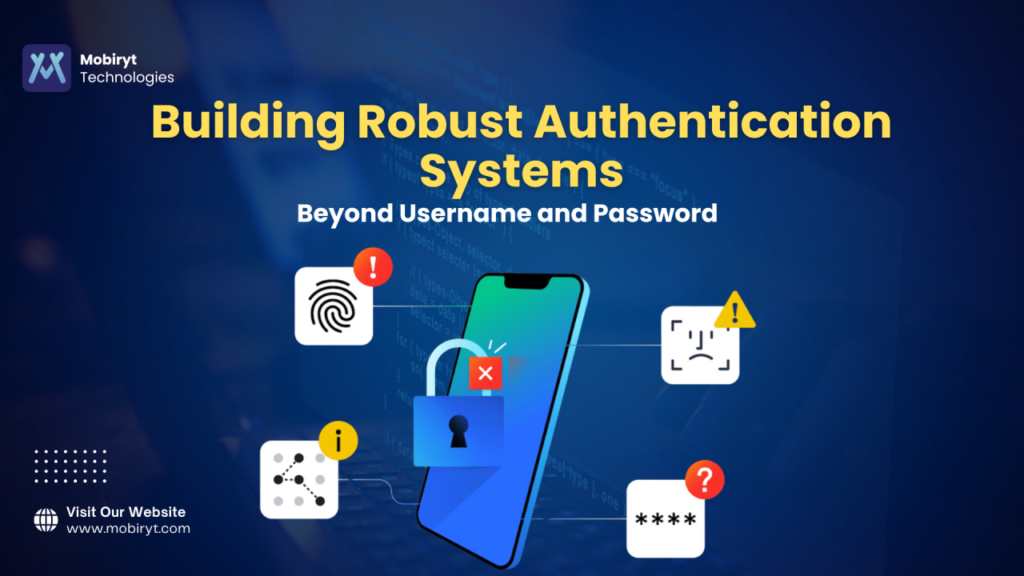
When a neobank launches fast, authentication is often one of the first places corners get cut. The team implements basic username/password login, adds SMS-based two-factor authentication (2FA), and calls it secure. The problem? SMS-based 2FA has been known to be vulnerable for years. SIM-swapping attacks — where a criminal convinces your carrier to transfer your phone number to their SIM card — can completely bypass it.
I’ve tested several neobank apps firsthand, and the variation in authentication quality is honestly alarming. Some still don’t enforce 2FA at all. Others offer it as an optional setting buried three menus deep — so most users never enable it.
Here’s what solid authentication actually looks like:
Weak (but common):
- Password + SMS OTP
- No session timeout after inactivity
- No device fingerprinting or trust scoring
- Login from a new device treated the same as a known device
Strong (what you want to see):
- Passkeys or biometric authentication as a primary method
- App-based authenticators (like Google Authenticator or Authy) instead of SMS
- Adaptive authentication that flags logins from new locations or devices
- Short session timeouts with re-authentication for sensitive actions (transfers, changing settings)
The FIDO2/WebAuthn standard exists precisely because passwords and SMS codes aren’t good enough. Banks that have been around for decades have moved to hardware tokens and passkeys. Some neobanks are still on SMS OTPs from 2015.
| Authentication Method | Security Level | Vulnerable To |
|---|---|---|
| Password only | Very Low | Credential stuffing, brute force |
| Password + SMS OTP | Low-Medium | SIM swapping, SS7 attacks |
| Password + App-based OTP | Medium-High | Malware, phishing (if not FIDO2) |
| Passkeys / FIDO2 Biometrics | High | Very limited attack surface |
| Hardware Security Key | Very High | Physical theft only |
If your neobank only offers SMS-based 2FA and doesn’t provide an alternative, that’s a legitimate concern worth raising — or a reason to keep less money in that account than you otherwise would.
2. Underinvesting in API Security While Over-Expanding Features
Here’s the thing about neobanks that a lot of users don’t think about: the app you interact with is just the front end. Everything behind it — your balance, transaction history, payment routing — runs through APIs. And APIs, when poorly secured, are basically unlocked back doors.
Neobanks love adding features. Open banking integrations, third-party app connections, crypto wallets, BNPL options. Each new integration means new API endpoints. And every new endpoint is a potential entry point for attackers.
The problem I’ve seen is that security reviews often don’t keep pace with feature releases. A new integration gets pushed live, the API endpoint isn’t properly rate-limited or authenticated, and suddenly there’s a way to enumerate user accounts or extract data that nobody at the company noticed for months.
One real-world example that illustrates this well: in 2021, a digital bank in the UK had an API vulnerability that allowed attackers to pull account holder names and partial card details by cycling through account numbers. It wasn’t a sophisticated hack. It was a missing rate limit and an unauthenticated endpoint. Basic stuff that got missed in the rush to ship.
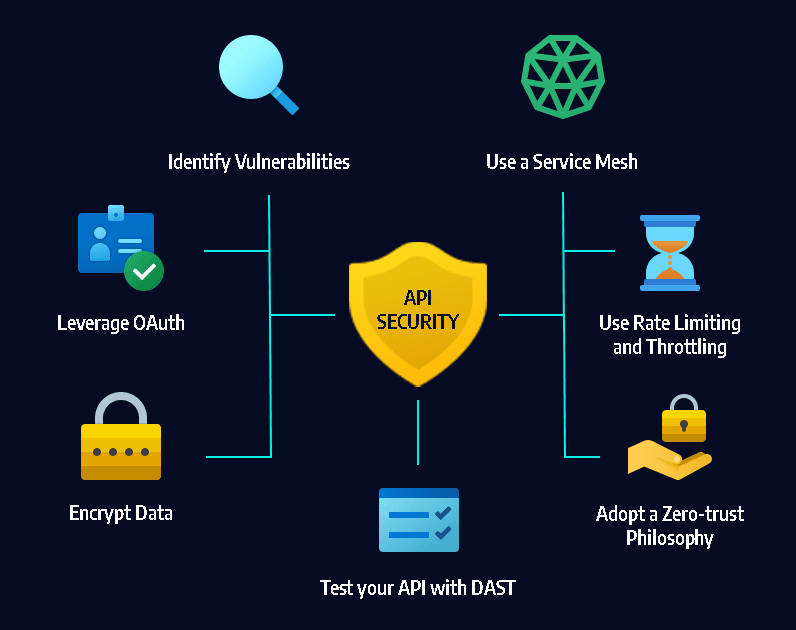
What a neobank should be doing on API security:
- Rate limiting on every endpoint (prevents brute force and enumeration)
- OAuth 2.0 with proper token scoping (third-party apps should only access what’s necessary)
- Regular penetration testing specifically targeting API layers
- Deprecating old API versions instead of leaving them live indefinitely
- Logging and alerting on unusual API call patterns
If you connect your neobank account to third-party budgeting apps like YNAB or Plaid-connected services, you’re adding API connections. It’s not necessarily dangerous — but it’s worth checking what permissions you’ve granted and revoking access to apps you no longer use.
For a more structured look at how to audit these vulnerabilities yourself, 8 Rapid Check Tools for Neobank and Digital Wallet Security Audits covers some practical tools worth knowing.
3. Treating Fraud Detection as a Post-Launch Problem
I get why this happens. When you’re pre-launch, fraud detection feels abstract. You don’t have users yet. You don’t have transactions. Why build a fraud system for something that doesn’t exist?
But then you launch. Users come in. Transactions start flowing. And fraud comes almost immediately — because fraudsters are fast and organized, and they specifically target new neobanks because they know the security systems are immature.
This is one of the costliest mistakes a neobank can make, and it’s not just about direct financial loss. It’s about the cascading damage: chargebacks piling up, card network fines, regulatory scrutiny, and — worst of all — users losing trust and leaving.
What “no real fraud detection” actually looks like at launch:
- Velocity checks don’t exist (so someone can make 50 small transactions in 10 minutes and nothing flags it)
- No device intelligence (same device used across 20 new accounts? No alert)
- Transaction monitoring is purely rule-based with no behavioral baseline
- No link analysis between accounts (so a fraud ring operating 100 accounts doesn’t get caught until the damage is done)
The minimum viable fraud stack for a neobank at launch should include:
Step 1: Implement velocity rules from day one. Set hard limits on transaction frequency, amount per day, and number of new payees added per session.
Step 2: Add device fingerprinting. Tools like Sardine, Kount, or Seon can identify when the same device or network is being used to create multiple accounts.
Step 3: Build a behavioral baseline. Even basic ML models that flag “this user’s transaction pattern is unusual compared to their history” can catch a lot.
Step 4: Set up a manual review queue. Automated systems miss things. You need human eyes on flagged transactions, especially early on when your models don’t have enough data yet.
Step 5: Connect to shared fraud intelligence networks. Early Warning in the US, CIFAS in the UK — these give you visibility into known bad actors before they hit your platform.
The fraud landscape for neobanks specifically has gotten more sophisticated. Synthetic identity fraud — where criminals create fake identities using real personal data — is particularly hard to catch with basic KYC checks alone.
If you want to understand the security checkpoints that established players use to catch this kind of thing, 9 Key Neobank Digital Wallet Security Checkpoints is worth going through in detail.
4. Neglecting Employee Access Controls and Internal Security Culture
Everyone talks about external hackers. Fewer people talk about the risk that comes from inside — not necessarily malicious insiders (though that happens too), but careless ones.
A neobank’s engineering and operations teams have access to a lot of sensitive data. Customer PII, transaction records, KYC documents. When access controls are poorly managed, the blast radius of any single employee account being compromised becomes enormous.
I’ve spoken with people who’ve worked at early-stage fintech startups, and the stories are consistent: in the early days, everyone has admin access because “we’re a small team and we trust each other.” Database credentials get shared over Slack. Production access isn’t logged properly. Offboarding checklist? Barely exists.
This isn’t hypothetical. The Twilio breach of 2022 started with a phishing attack on an employee. The Robinhood breach of 2021 involved a customer service employee being socially engineered. These aren’t obscure neobanks — they’re well-resourced companies with dedicated security teams. Early-stage startups with skeleton security are far more vulnerable.
What good internal security hygiene looks like:
- Principle of least privilege: Every employee, contractor, and tool gets access to only what they need for their specific role. Customer support doesn’t need database access. Developers shouldn’t have access to production customer data by default.
- Role-based access control (RBAC): Formalize who can access what, and review it quarterly. When someone changes roles or leaves, access is revoked immediately — not eventually.
- Privileged Access Management (PAM): Tools like CyberArk or HashiCorp Vault manage and log privileged access to sensitive systems. Every access is recorded. Unusual access patterns trigger alerts.
- Security awareness training: Not a one-hour annual video. Regular, practical training that includes phishing simulations. Employees should know how to recognize social engineering, because that’s consistently the entry point for serious breaches.
- Secure development practices: Developers should be trained on OWASP Top 10 vulnerabilities. Code reviews should include security checks. Static analysis tools like Snyk or SonarQube should be part of the CI/CD pipeline.
| Internal Risk Area | Weak Practice | Strong Practice |
|---|---|---|
| Database Access | Shared credentials, unrestricted | Individual credentials, RBAC enforced |
| Employee Offboarding | Manual, inconsistent | Automated deprovisioning within hours |
| Production Access | Open to dev team | Restricted, logged via PAM tools |
| Security Training | Annual compliance video | Quarterly training + phishing simulations |
| Code Security | Reviewed post-deployment | SAST tools integrated into CI/CD |
The uncomfortable truth is that building a strong internal security culture is harder than buying a security tool. It requires leadership that takes it seriously, policies that are enforced rather than just written, and a team that understands that their daily habits have real consequences for users.
What This Means If You’re a Neobank User
If you’re reading this as a customer rather than a founder, you’re not powerless here. There are things you can do to protect yourself even when your neobank isn’t doing everything right.
Don’t keep large amounts in neobank accounts that don’t have strong authentication options. Use the strongest 2FA method available — skip SMS if app-based authentication is offered. Regularly review third-party app connections and revoke anything you don’t actively use. Set up transaction alerts so you’re notified immediately of any activity.
And pay attention to how your neobank communicates about security. Do they publish security advisories? Do they have a responsible disclosure program for security researchers? Do they respond quickly when users report issues? These signals tell you a lot about how seriously they take it.
For a deeper look at how to run your own quick security check on the neobank platforms you use, 12 Quick Neobank Digital Wallet Security Checks to Ensure Safe Transactions gives you a solid practical framework.
The neobanks that will be around in 10 years are the ones building security into their DNA right now — not patching it on after something goes wrong. As a user, your choice of where to keep your money is also a vote for the kind of financial infrastructure you want to exist.
Choose carefully.
Also worth reading: 11 Smart Neobank Digital Wallet Security Audits to Stop Data Breaches — a solid breakdown of proactive audit techniques that both neobank teams and security-conscious users can learn from.