


The rise of neobanks has reshaped how people interact with money. With sleek apps, low fees, and instant services, these digital-first financial institutions have carved out a strong foothold in a space once dominated by traditional banks. But behind every smooth user experience lies a dense web of compliance obligations that cannot be overlooked.
Unlike conventional banks, neobanks operate at the intersection of technology and finance, which makes compliance both more complex and more critical. Regulations evolve quickly, customer expectations are high, and the risks—financial, legal, and reputational—are significant. Ignoring compliance is not just risky; it can be fatal for a neobank.
This article explores seven essential compliance rules every neobank must follow. Along the way, you’ll find structured tables, simplified frameworks, and practical insights that go beyond surface-level explanations.
- Know Your Customer (KYC) requirements
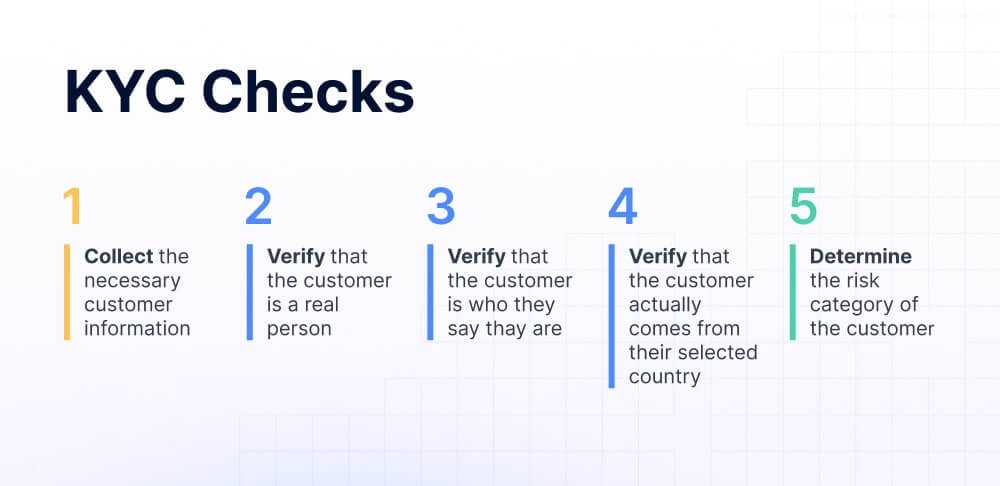
KYC is the foundation of financial compliance. It involves verifying the identity of customers before allowing them to access financial services. For neobanks, where onboarding is often remote and automated, KYC becomes both a technical and regulatory challenge.
At its core, KYC ensures that customers are who they claim to be. This protects the institution from fraud, identity theft, and illegal activities such as money laundering.
A typical KYC process includes:
- Identity verification (passport, national ID, driver’s license)
- Address verification (utility bills, bank statements)
- Biometric checks (facial recognition, fingerprint scanning)
- Ongoing monitoring of customer behavior
Informational Table: KYC Process Breakdown
| Step | Purpose | Tools Used | Risk Level if Ignored |
|---|---|---|---|
| Identity Verification | Confirm user identity | OCR, AI-based ID validation | High |
| Address Verification | Confirm residential address | Document scanning, databases | Medium |
| Biometric Authentication | Prevent impersonation | Facial recognition, liveness checks | High |
| Ongoing Monitoring | Detect suspicious behavior | Transaction monitoring systems | Critical |
The challenge for neobanks is balancing frictionless onboarding with regulatory rigor. Too much friction leads to user drop-off; too little invites compliance violations.
- Anti-Money Laundering (AML) obligations
AML regulations are designed to prevent criminals from disguising illegally obtained funds as legitimate income. Neobanks are particularly vulnerable because of their speed and accessibility.
AML compliance involves:
- Monitoring transactions for unusual patterns
- Reporting suspicious activities to authorities
- Maintaining audit trails
- Implementing risk-based customer profiling
Neobanks must deploy advanced analytics systems that can flag anomalies in real time. For example, a sudden spike in transactions from a low-risk account may trigger an alert.
Informational Chart: AML Risk Indicators
| Indicator | Description | Action Required |
|---|---|---|
| Large transactions | Unusually high amounts | Manual review |
| Frequent transfers | Rapid movement of funds | Automated alert |
| Cross-border activity | Transfers to high-risk jurisdictions | Enhanced due diligence |
| Dormant account activation | Sudden activity after inactivity | Risk reassessment |
Ignoring AML requirements can lead to heavy fines and even license revocation. Regulators expect continuous vigilance, not just one-time checks.
- Data protection and privacy compliance
Neobanks handle vast amounts of sensitive personal and financial data. This makes data protection one of the most critical compliance areas.
Regulations like GDPR (in Europe) and similar frameworks globally require:
- Secure data storage
- Explicit user consent for data usage
- Right to access and delete personal data
- Immediate reporting of data breaches
A single data breach can destroy customer trust overnight. Neobanks must adopt a “privacy by design” approach, embedding data protection into every layer of their systems.
Informational Table: Data Protection Principles
| Principle | Description | Implementation Method |
|---|---|---|
| Data Minimization | Collect only necessary data | Limit form fields |
| Encryption | Protect data in transit and at rest | SSL/TLS, AES encryption |
| Access Control | Restrict data access | Role-based permissions |
| Transparency | Inform users about data usage | Clear privacy policies |
Data compliance is not just a legal requirement; it is a competitive advantage. Customers are increasingly choosing platforms that prioritize privacy.
- Licensing and regulatory approvals

Operating as a neobank requires proper licensing, which varies by jurisdiction. Some neobanks operate under their own banking licenses, while others partner with licensed banks.
There are generally three models:
- Fully licensed neobanks
- Partner-based (Banking-as-a-Service)
- E-money institutions
Each model comes with different compliance obligations. For example, fully licensed neobanks must meet capital requirements and undergo regular audits.
Informational Table: Licensing Models Comparison
| Model | Description | Compliance Complexity | Cost Level |
|---|---|---|---|
| Full License | Independent banking license | Very High | High |
| Partner Model | Operates under a licensed bank | Medium | Medium |
| E-Money License | Limited financial services | Low to Medium | Low |
Choosing the right licensing structure affects everything from operational flexibility to regulatory burden.
- Transaction monitoring and reporting
Continuous transaction monitoring is essential for detecting fraud and ensuring compliance. This goes beyond AML—it includes identifying unauthorized access, unusual spending patterns, and system anomalies.
Modern neobanks rely on machine learning algorithms to analyze transaction data in real time. These systems can:
- Detect anomalies
- Flag suspicious transactions
- Trigger automated responses
Informational Chart: Transaction Monitoring Workflow
| Stage | Activity | Technology Used |
|---|---|---|
| Data Collection | Capture transaction details | APIs, databases |
| Analysis | Evaluate patterns | AI/ML algorithms |
| Alert Generation | Flag suspicious activity | Rule-based engines |
| Action | Block or review transaction | Automated workflows |
Regulators often require suspicious activity reports (SARs) to be filed within specific timeframes. Delays can result in penalties.
- Consumer protection and transparency
Neobanks must ensure fair treatment of customers. This includes clear communication, transparent pricing, and accessible dispute resolution mechanisms.
Key requirements include:
- Transparent fee structures
- Clear terms and conditions
- Prompt handling of complaints
- Protection against unauthorized transactions
Informational Table: Consumer Protection Elements
| Element | Requirement | Benefit to Users |
|---|---|---|
| Fee Transparency | No hidden charges | Builds trust |
| Clear Terms | Simple language agreements | Reduces confusion |
| Dispute Resolution | Fast complaint handling | Improves satisfaction |
| Fraud Protection | Reimbursement policies | Enhances security confidence |
Neobanks that prioritize transparency often see higher customer retention and loyalty.
- Cybersecurity and operational resilience
Cybersecurity is not just an IT concern—it is a regulatory requirement. Neobanks must protect their systems from cyber threats while ensuring uninterrupted service.
This includes:
- Regular security audits
- Penetration testing
- Incident response plans
- Business continuity planning
Informational Chart: Cybersecurity Framework
| Layer | Focus Area | Tools/Methods |
|---|---|---|
| Network Security | Protect infrastructure | Firewalls, IDS/IPS |
| Application Security | Secure software | Code reviews, testing |
| User Security | Protect accounts | MFA, biometrics |
| Incident Response | Handle breaches | Response plans, drills |
Downtime or breaches can have severe financial and reputational consequences. Regulators expect proactive risk management.
Bringing it all together
Compliance in neobanking is not a checklist—it’s an ongoing process. Each of the seven rules discussed here interacts with the others. For example, strong KYC supports AML efforts, while robust cybersecurity protects customer data.
A simple framework to understand this:
| Compliance Area | Primary Goal | Supporting Areas |
|---|---|---|
| KYC | Identity verification | AML, Fraud prevention |
| AML | Prevent illegal activity | Transaction monitoring |
| Data Protection | Secure user data | Cybersecurity |
| Licensing | Legal operation | All areas |
| Monitoring | Detect anomalies | AML, Fraud |
| Consumer Protection | Fair treatment | Transparency, Trust |
| Cybersecurity | System safety | Data protection, Operations |
Neobanks that integrate compliance into their core strategy—not just as an obligation but as a design principle—are better positioned to scale sustainably.
Frequently Asked Questions (FAQs)
- Why is compliance more challenging for neobanks than traditional banks?
Neobanks operate digitally, often across multiple jurisdictions, which introduces complex regulatory requirements. Their reliance on automation and real-time services also increases the need for advanced compliance systems. - Can a neobank operate without a banking license?
Yes, some neobanks operate through partnerships with licensed banks or as e-money institutions. However, they must still comply with relevant regulations in their operating regions. - What happens if a neobank fails to meet AML requirements?
Failure to comply with AML regulations can result in heavy fines, legal action, and even shutdown of operations. It can also severely damage the institution’s reputation. - How do neobanks ensure data security?
They use encryption, multi-factor authentication, access controls, and regular security audits to protect user data and prevent breaches. - What is the role of technology in compliance?
Technology enables automation, real-time monitoring, and advanced analytics, making it possible to manage compliance efficiently at scale. - Are compliance requirements the same worldwide?
No, compliance requirements vary by country and region. Neobanks operating globally must adapt to multiple regulatory frameworks simultaneously.
In a rapidly evolving financial landscape, compliance is not just about avoiding penalties—it is about building trust, ensuring stability, and creating a foundation for long-term growth. Ignoring these essential rules is simply not an option.