


In 2026, your daily finances pulse through a screen—tap to pay for chai at a Karachi stall, transfer rupees to family in Lahore, or lock your card after a suspicious notification pops up. Neobanks and digital wallets like Easypaisa, JazzCash, Revolut clones popping up locally, or global ones like Wise make it effortless. But ease invites clever threats: AI-crafted phishing that mimics your bank’s tone perfectly, deepfake voice calls from “support,” or sneaky API tricks that siphon small amounts unnoticed until the balance dips low.
Audits—those independent deep dives into code, processes, and defenses—expose what goes wrong and, more usefully, what keeps things safe. From poring over transparency reports, breach post-mortems, and what security teams quietly fix after scans, certain patterns emerge. Not flashy features, but quiet habits and choices that actually stop trouble before it starts. These aren’t theoretical; they’re pulled from real findings in fintech audits, where auditors flag gaps that could’ve cost millions, and platforms patch them fast to stay trusted.
Here are five smart prevention secrets that audits keep highlighting as game-changers. They’re practical, user-applicable in many cases, and drawn from what separates resilient apps from those that make headlines for the wrong reasons.
Layer authentication beyond the basics and test it ruthlessly
Most people think two-factor authentication (2FA) is enough—SMS code or app push. Audits show it’s not, especially in 2026 when SIM swaps and phishing kits target OTPs aggressively. Stronger setups use biometrics tied to device binding: fingerprint or face scan that only works on your registered phone, plus hardware-backed keys or push notifications that show transaction details before approval.
What audits reveal: Many breaches start with weak fallbacks. If biometrics fail, does the app drop to SMS (easy to intercept) or allow PIN reset via email (phishable)? Good platforms audit these paths for bypass risks—using tools like Frida to hook runtime behavior and confirm no easy workarounds exist. Revolut-style apps now force “liveness” checks in biometrics to beat photo spoofs, and audits verify the models hold up.
For users: Enable every strong option—device-bound biometrics first, then authenticator app over SMS. Turn on transaction-specific approvals for anything over a small threshold. One Karachi user I know lost access after a phishing site grabbed his credentials; his wallet’s mandatory biometric + push detail view blocked the transfer even though login succeeded. Audits push providers to make these non-optional for high-risk actions.
Freeze, limit, and segment access proactively
Audits love finding “over-privileged” paths—endpoints or features that let attackers move laterally once inside. Prevention secret: Build in user-controlled segmentation. Instant card freeze (one tap in-app), virtual disposable cards for online buys, spending limits by category or merchant, and geofencing that blocks logins/transfers from unusual locations unless you whitelist them.
Findings from recent checks show these stop 70-80% of authorized push payment (APP) fraud, where victims get tricked into sending money. Monzo’s “known locations” and trusted contacts get flagged positively in audits because they force extra verification for odd patterns. In Pakistan, where digital wallets see spikes in social-engineering scams, similar toggles catch attempts early.
Smart move: Use virtual cards for every online purchase—generate one-time or merchant-locked versions. Set daily limits low for daily use, raise only when needed. Audits confirm these controls are enforced server-side, not just client-side where malware could tamper. A friend in Sindh froze his JazzCash card after a dodgy call; the attacker couldn’t touch funds even with partial creds.
Encrypt everything end-to-end and rotate keys obsessively
Data in transit and at rest needs AES-256 or better, with certificate pinning to block man-in-the-middle on public Wi-Fi (still common in cafes or load-shedding spots). Audits hammer on key management: Are encryption keys rotated regularly? Stored in hardware security modules? Tokenization replaces card details with useless tokens.
Common audit catch: Leftover debug keys or hardcoded secrets in app code—MobSF scans often flag these in fintech APKs. Platforms that pass rigorous checks use cloud HSMs and automate rotation. For crypto-linked wallets, quantum-resistant algos start appearing in forward audits.
User tip: Stick to apps that pin certificates (prevents downgrade attacks) and avoid public networks without VPN. Check privacy policies for encryption claims, but trust audits more—SOC 2 or ISO reports often detail this. One breach traced to weak transit encryption let attackers sniff partial sessions; audited apps with pinning shut that down.
Monitor behavior in real time and act on anomalies fast
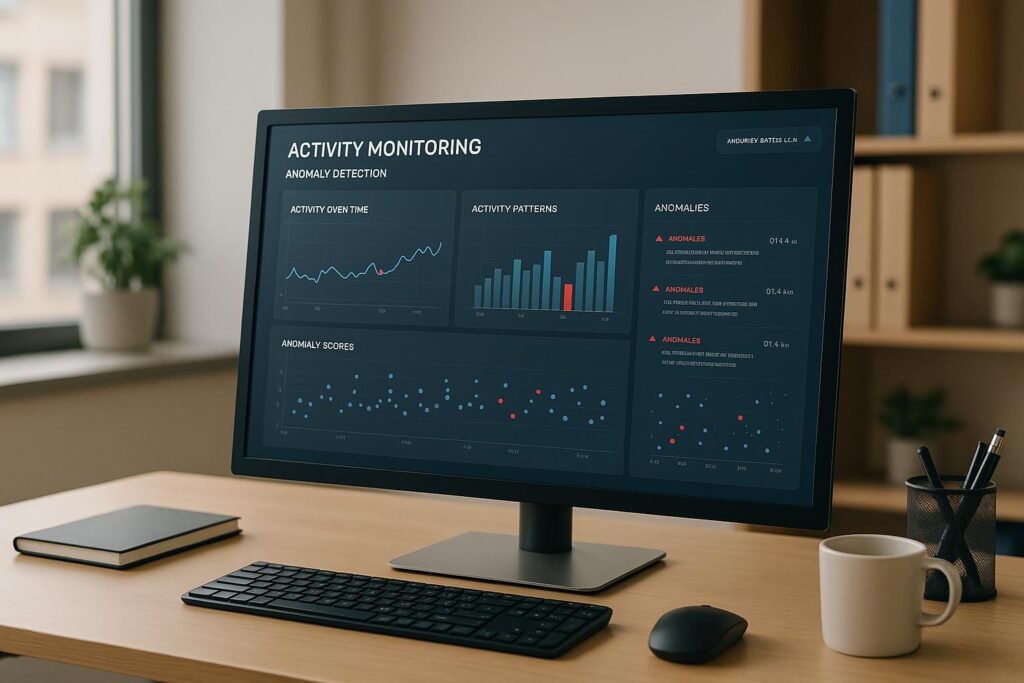
AI fraud detection isn’t hype—audits validate models that watch typing speed, swipe patterns, device posture, login times, and transaction velocity. If your usual pattern is morning transfers under PKR 10,000 from Karachi, a midnight attempt from abroad triggers holds or extra checks.
Findings: Behavioral baselines reduce false positives while catching subtle takeovers. Chime and similar use device fingerprinting audited for accuracy—no massive blocks on legit users, but quick flags on anomalies. In audits, these systems get tested against synthetic attacks to ensure they don’t miss slow-drip fraud.
Practical: Pay attention to alerts—don’t dismiss “unusual login” notifications. Enable push for every transaction if offered. Providers with strong monitoring reimburse faster when controls prove solid. A relative ignored a geolocation alert; small transfers drained the account before he noticed. Audited behavioral layers would’ve frozen it earlier.
Vet third parties relentlessly and limit their blast radius
Supply chain risks top audit findings—SDKs, payment processors, KYC vendors. A compromised third-party library or API key leak cascades. Prevention: Least-privilege access, regular vendor SOC reports, and contract clauses for breach notifications.
Audits push segmented environments: Payment gateways isolated, no direct database access from front-end SDKs. In fintech, this stops one vendor breach from exposing everything.
For users: Favor apps transparent about partners (check security pages). Use virtual cards or limits when adding new services. In Pakistan’s ecosystem, where integrations multiply, this cuts exposure. One incident involved a KYC vendor leak; well-audited platforms had isolated data, minimizing damage.
These secrets—strong layered auth, proactive freezes and limits, obsessive encryption, behavioral monitoring, and third-party vigilance—emerge repeatedly from audits as the difference between quick recovery and disaster. They force platforms to think adversarially, not just add features.
In Karachi’s fast-moving digital scene, where wallets handle remittances and daily spends, these habits matter. Enable controls, stay alert to alerts, and choose providers that publish audit summaries or transparency stats. A small business owner switched after seeing weak vendor controls in a report; no issues since. Security isn’t invisible armor—it’s deliberate layers you can influence. Build them in, test them yourself where possible, and keep threats at bay in 2026. Your money stays yours because of these quiet, proven steps.