

In 2026, your money lives mostly in your phone—swiped, tapped, transferred in seconds across borders or chains. Neobanks and digital wallets have gone mainstream, handling everything from daily coffee runs to crypto trades and cross-continent remittances. But with that convenience comes a constant hum of risk. Hackers don’t sleep, and neither do regulators watching for slip-ups. One weak link, and funds vanish or identities get shredded for fraud.
I’ve followed these platforms closely, talked to users who’ve dealt with freezes or quick recoveries, read through breach reports from last year, and dug into what providers actually do behind the scenes. Security isn’t just buzzwords like “biometrics” anymore; it’s layered defenses, regular third-party checks, and real responses when things go wrong. Audits—independent reviews of code, processes, and controls—stand out as a key signal of seriousness. Not every player publishes full reports, but the ones that do (or get certified under standards like ISO 27001, PCI DSS, or SOC 2) tend to earn more trust.
Here are ten must-know aspects of neobank and digital wallet security audits in 2026. These aren’t rankings of “best” platforms—security evolves fast, and what’s strong today can change tomorrow—but proven areas where audits reveal strengths, gaps, and what users should demand.
Regular third-party penetration testing and vulnerability scans
Forget annual check-ups; top players now run continuous or quarterly pen tests. Ethical hackers simulate attacks—phishing, API exploits, mobile app reverse-engineering—to find holes before criminals do. In 2026, platforms like Revolut and Monzo highlight frequent external testing in their transparency reports. One breach last year traced back to an unpatched API flaw; platforms that audit code changes in real time avoided similar hits.
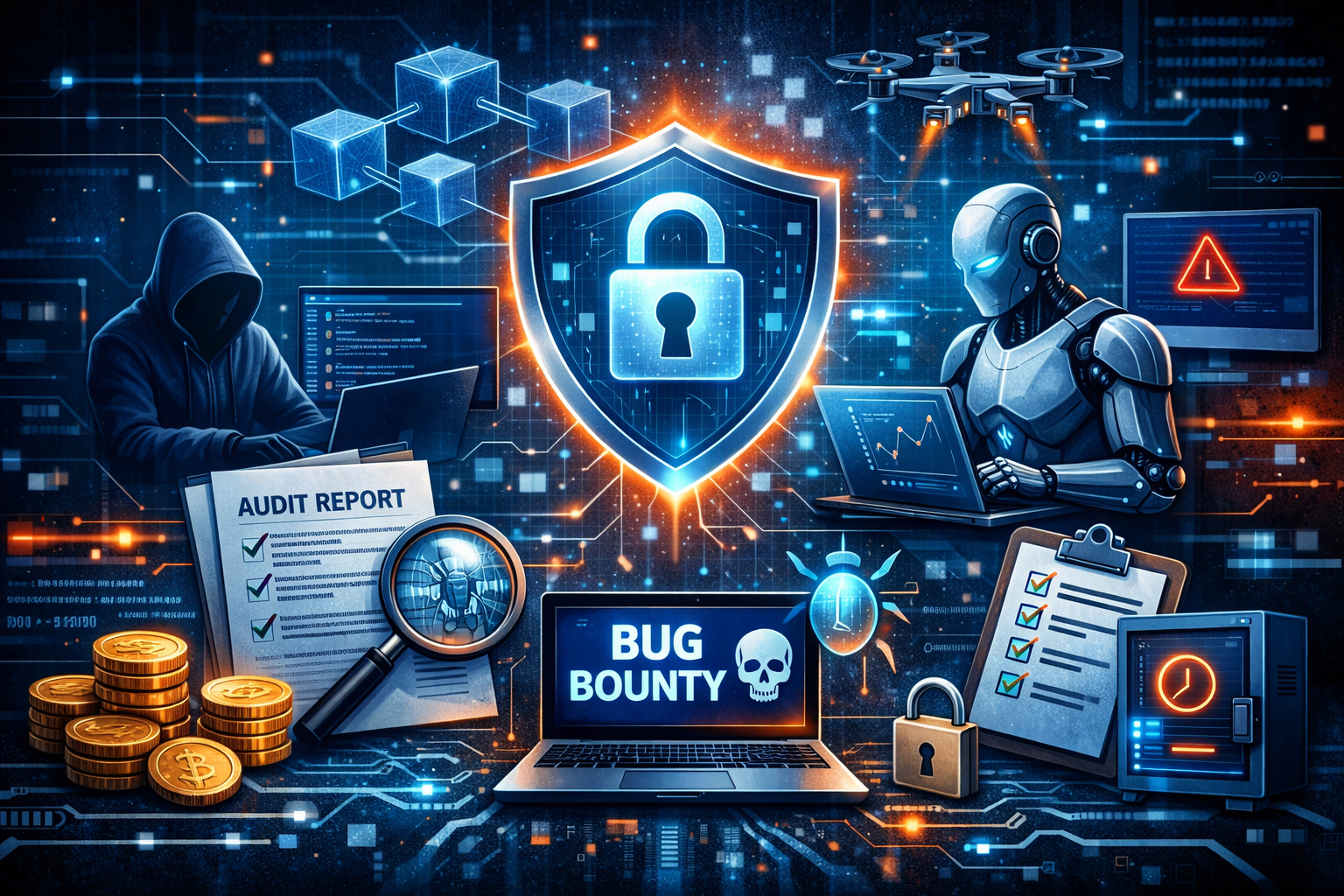
Look for mentions of bug bounty programs too. These pay researchers for finding issues—Revolut’s program has paid out six figures over the years. If a provider skips this or only does internal scans, it’s a red flag. Users in forums often share how quick fixes from bounties prevented bigger problems.
Biometric and multi-factor authentication layers audited for bypass risks
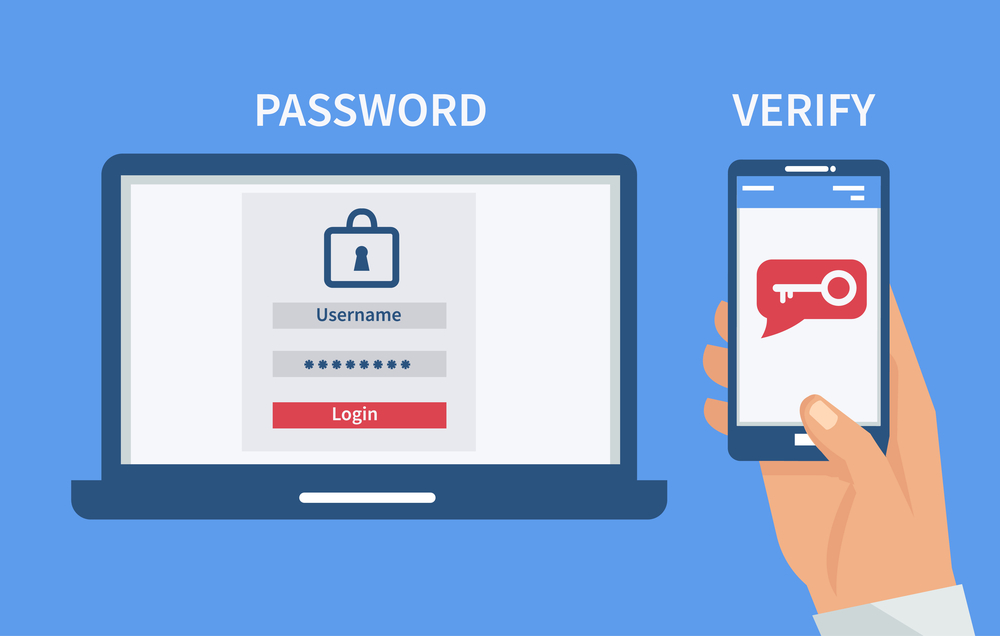
Biometrics (face, fingerprint, voice) feel seamless, but audits probe if they’re spoof-proof. Deepfake tech improved in 2025, so good providers test against presentation attacks—masks, photos, replayed videos. N26 and Starling emphasize liveness detection in their setups.
MFA gets scrutinized too: push notifications, hardware keys, or time-based codes. Audits check for “MFA fatigue” exploits where attackers spam approvals. Chime’s app, for instance, ties MFA to device binding—audited to ensure you can’t approve from a cloned phone. Demand providers that let you customize MFA for high-risk actions like transfers over a certain amount.
Encryption standards and key management reviews
Data at rest and in transit needs AES-256 or better, with audited key rotation. Hardware security modules (HSMs) store keys securely—common in crypto-friendly neobanks like those integrating wallets with blockchain. Audits verify no keys leak during migrations or updates.
For digital wallets, tokenization replaces card details with tokens. PCI DSS audits (level 1 for big players) confirm this. Wise, handling massive cross-border flows, passes these yearly; lapses in smaller wallets led to card-data exposures in past incidents.
Smart contract and blockchain audits for crypto-integrated services
Hybrid neobanks blending fiat and crypto face extra scrutiny. Smart contracts—code handling DeFi or wallet logic—get line-by-line audits from firms like PeckShield or Certik. Multi-sig wallets, where multiple approvals are needed, reduce single-point failures.
In 2026, quantum-resistant crypto starts appearing in forward-thinking audits. Platforms experimenting with on-chain features publish these reports publicly—users check for recent dates and fixed issues. A 2025 hack on a smaller crypto neobank cost millions because unaudited contracts had reentrancy bugs.
Fraud detection and AI monitoring systems independently validated
AI spots unusual patterns—login from new countries, velocity spikes, geolocation mismatches. Audits test false positives (annoying but safe) against missed threats. Monzo’s “known locations” geofencing and trusted contacts got praised in reviews for catching scams early.
Behavioral analytics—how you type, swipe, hold your phone—add layers. Providers audit these models for bias and accuracy. Real-time transaction monitoring under AML rules gets checked too; fines hit neobanks like Starling in prior years for weak screening.
Compliance with global standards like SOC 2, ISO 27001, and DORA
SOC 2 Type II reports (covering controls over time) are gold for US-focused players like Chime or SoFi. EU neobanks chase DORA compliance—testing resilience against disruptions. ISO 27001 certs show ongoing info-sec management.
These aren’t quick stamps; auditors dig deep. Platforms share summaries or full reports on request. If nothing’s public, ask support—evasive answers signal issues.
Incident response and breach disclosure practices
Audits review playbooks: how fast teams detect, contain, notify. Post-2025 breaches, regulators push 72-hour disclosures. Good neobanks run tabletop exercises audited externally.
Transparency matters—some publish incident logs. Revolut details resolved fraud cases in app updates. Users value providers that reimburse scam victims quickly (under certain conditions) after audits confirm controls worked.
Supply chain and third-party vendor risk assessments
Many breaches hit through partners—APIs, cloud providers, KYC vendors. Audits demand SOC reports from vendors and contract clauses for breach notifications. The Synapse fallout in 2024-2025 showed partner risks; diversified setups fared better.
In 2026, top neobanks audit vendor access logs and limit privileges. For wallets, check integrations with payment processors—PCI compliance flows through.
User-controlled security features and transparency reporting
Audits increasingly cover what users see: instant card freeze, disposable virtual cards, spending limits, location-based blocks. Revolut and bunq let you toggle features; audits verify these work without backdoors.
Annual transparency reports detail fraud stats, resolved complaints, security investments. Monzo shares these openly—helps users gauge real-world performance.
Mobile app-specific audits for jailbreak/root detection and code obfuscation
Apps face reverse-engineering. Audits check for root/jailbreak detection, code hardening, certificate pinning to block man-in-the-middle attacks. Google Play and App Store require some checks, but deeper audits catch subtle flaws.
Biometric enrollment gets tested—ensuring no weak fallbacks. Updates audited before release prevent regression bugs.
Ongoing monitoring and red team exercises
Beyond snapshots, continuous monitoring uses SIEM tools audited for coverage. Red teaming—simulated full attacks—happens yearly or after big changes. Providers passing these show resilience.
Wrapping it up, security audits in 2026 separate reliable neobanks and wallets from the rest. They prove defenses hold under scrutiny, not just marketing claims. Pick platforms transparent about audits—read summaries, check dates, ask questions. Enable every user control available, stay vigilant on alerts, and remember: no system is unbreakable, but audited ones break less often and recover faster.
A retiree I know switched to a heavily audited neobank after a phishing scare on an older app; the quick freeze and reimbursement process restored his confidence. In this digital-first world, knowing the audits behind your money matters more than ever. Stay informed, layer your protections, and keep your funds as secure as possible in 2026.