
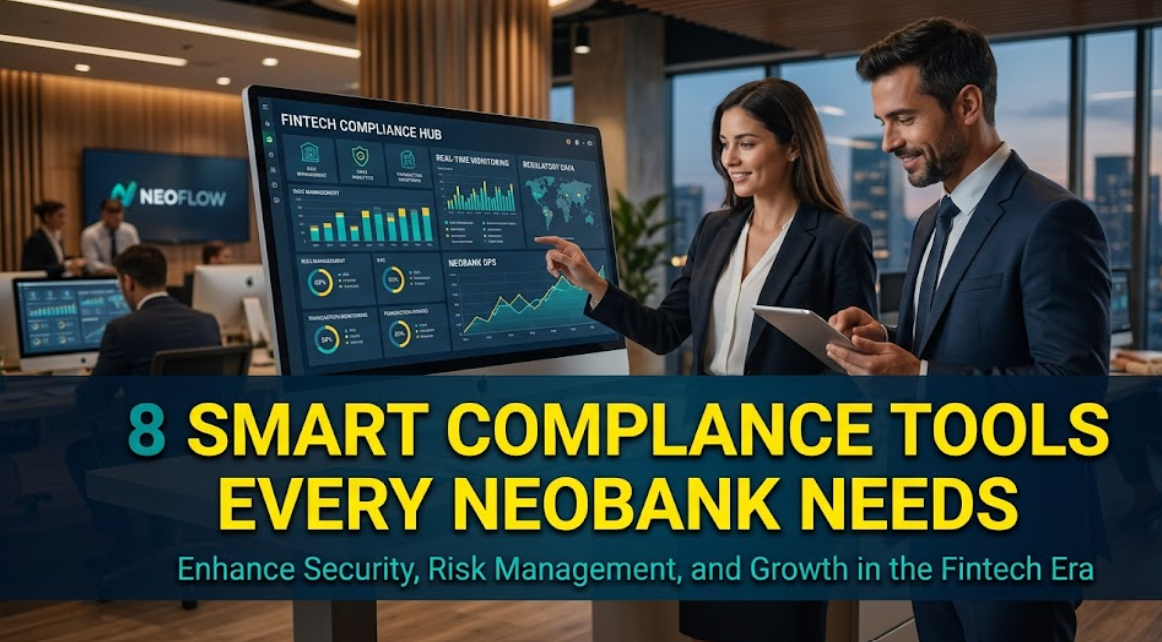
Launching a neobank without a strong compliance stack is like building a skyscraper on unstable ground. It may stand for a while, but eventually, cracks appear—regulatory penalties, blocked transactions, or worse, loss of banking partnerships. Modern neobanks don’t just rely on policies; they rely on smart, automated compliance tools that operate quietly in the background, making thousands of micro-decisions every second.
This article explores eight essential compliance tools every neobank should integrate before scaling. These are not abstract concepts—they are real systems used across fintech ecosystems to manage risk, ensure regulatory alignment, and maintain operational efficiency.
identity verification (KYC) platforms
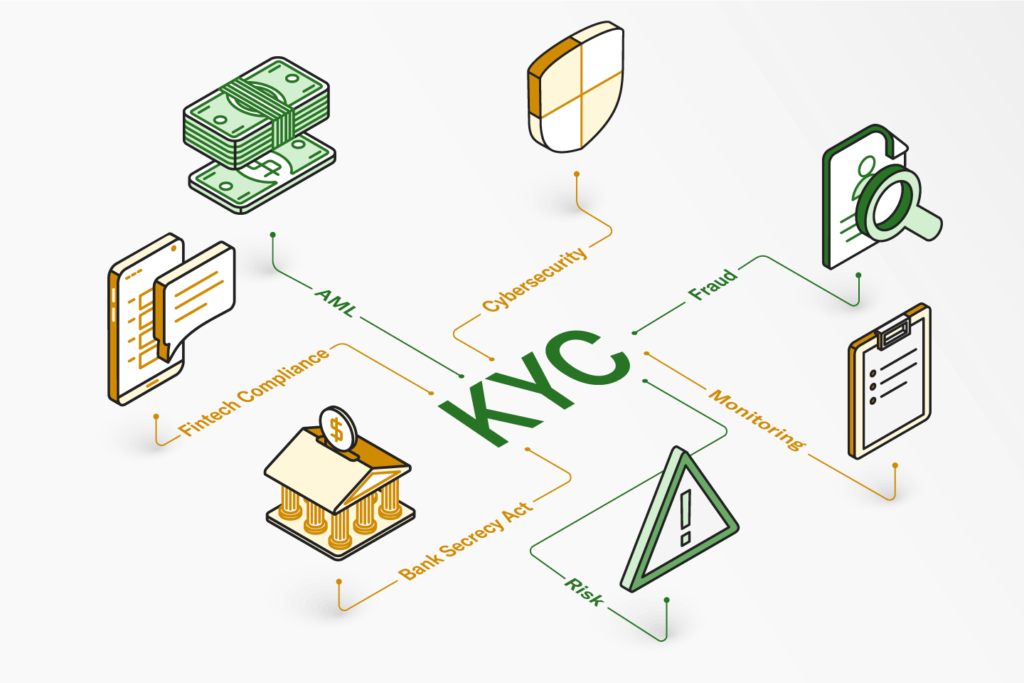
The first layer of compliance begins at onboarding. Identity verification tools ensure that every customer is who they claim to be, reducing fraud and meeting regulatory requirements.
Modern KYC tools go far beyond simple document uploads. They combine biometric verification, AI-powered document analysis, and global database checks.
For instance, platforms like Sumsub or iDenfy provide:
- Biometric face matching and liveness detection
- Document verification across hundreds of countries
- Real-time validation of identity data
- Automated onboarding workflows
These tools allow neobanks to onboard customers in seconds while maintaining compliance. According to industry platforms, automated KYC systems can verify documents from over 200 countries and integrate biometric checks to reduce fraud risks significantly .
Here’s a simplified onboarding flow:
| Step | Process | Tool Function |
|---|---|---|
| 1 | User submits ID | Document verification |
| 2 | Selfie capture | Biometric matching |
| 3 | Data extraction | AI validation |
| 4 | Risk scoring | Compliance decision |
Without this tool, onboarding becomes manual, slow, and highly error-prone.
anti-money laundering (AML) monitoring systems
Once a user is onboarded, the next challenge is monitoring what they do. AML tools track transactions in real time to detect suspicious behavior.
Modern AML systems provide:
- Continuous transaction monitoring
- Real-time alerts for suspicious activity
- Screening against sanctions and PEP lists
- Automated reporting for regulators
For example, advanced AML platforms use dynamic rules and AI-based risk scoring to identify high-risk patterns while minimizing false positives .
A typical AML monitoring pipeline looks like this:
Transaction → Rule Engine → Risk Score → Alert → Investigation
Here’s a basic comparison of AML monitoring approaches:
| Approach | Speed | Accuracy | Manual Effort |
|---|---|---|---|
| Manual review | Low | Medium | High |
| Rule-based system | Medium | Medium | Medium |
| AI-driven AML | High | High | Low |
Neobanks that rely on manual checks often struggle to scale, while automated AML systems enable growth without compromising compliance.
sanctions and watchlist screening tools
Closely tied to AML systems are sanctions screening tools. These systems check customers and transactions against global watchlists, including:
- Politically Exposed Persons (PEPs)
- Sanctions lists (OFAC, EU, UN)
- Adverse media databases
Some platforms maintain thousands of global sanction datasets updated frequently, allowing real-time screening during onboarding and transactions .
A simple screening structure:
| Data Source | Purpose |
|---|---|
| Sanctions lists | Identify restricted individuals |
| PEP databases | Detect politically exposed risk |
| Adverse media | Identify reputational risk |
This tool is essential because regulators expect ongoing monitoring—not just one-time checks.
transaction monitoring and fraud detection tools
While AML tools focus on regulatory compliance, fraud detection tools focus on protecting the system from abuse.
These tools analyze behavioral patterns such as:
- Unusual transaction frequency
- Geographic inconsistencies
- Device fingerprint anomalies
- Velocity checks
Modern systems combine machine learning with behavioral analytics to detect fraud in real time.
A behavioral risk example:
| Behavior Pattern | Risk Indicator |
|---|---|
| Multiple logins abroad | Possible account takeover |
| Rapid transfers | Money laundering risk |
| New device + high value | Fraud attempt |
Many modern compliance platforms integrate fraud detection directly into AML systems, creating a unified risk layer.
compliance workflow and case management systems
Compliance is not just about detection—it’s about handling what happens next. Case management tools help compliance teams investigate alerts, document decisions, and maintain audit trails.
Key features include:
- Case assignment and tracking
- Audit logs and decision history
- Workflow automation
- Regulatory reporting tools
Without these systems, compliance teams often rely on spreadsheets and emails, which create audit risks.
A structured workflow example:
| Stage | Action |
|---|---|
| Alert triggered | Case created automatically |
| Review | Analyst investigates |
| Decision | Approve / flag / escalate |
| Audit | Record stored for regulators |
Modern platforms integrate case management directly into AML systems, ensuring every action is traceable.
regulatory reporting and audit tools
Regulators expect transparency. Reporting tools automate the generation of compliance reports, such as:
- Suspicious Activity Reports (SARs)
- Transaction reports
- Compliance dashboards
- Audit logs
Automated reporting ensures consistency and reduces human error. Many platforms also provide “audit-ready” logs, which store every decision and action taken within the system .
Here’s a simplified reporting structure:
| Report Type | Frequency | Purpose |
|---|---|---|
| SAR | Event-based | Report suspicious activity |
| Compliance report | Monthly | Regulatory overview |
| Audit log | Continuous | Evidence for regulators |
These tools are critical during regulatory inspections.
data privacy and protection tools
Compliance isn’t just about financial crime—it also includes protecting customer data. Data privacy tools ensure that personal information is handled securely and in line with regulations like GDPR.
Key capabilities include:
- Data encryption (at rest and in transit)
- Access control systems
- Data anonymization
- Breach detection and response
Financial institutions face growing challenges in managing sensitive data while complying with privacy laws .
A basic data protection model:
User Data → Encryption → Secure Storage → Access Control → Monitoring
Failure in this area can result in massive fines and reputational damage.
API-based compliance orchestration platforms
Neobanks rarely use a single compliance tool. Instead, they integrate multiple systems through APIs. Compliance orchestration platforms act as a central hub, connecting:
- KYC providers
- AML systems
- Fraud detection tools
- Reporting systems
These platforms allow neobanks to customize workflows and switch providers without disrupting operations.
For example, modular compliance systems enable:
- Vendor-agnostic integrations
- Configurable workflows
- Real-time data synchronization
- Scalable infrastructure
Some platforms even allow no-code configuration of compliance rules, reducing reliance on engineering teams .
A simplified architecture:
App → API Layer → KYC Tool + AML Tool + Fraud Engine → Decision Engine
This flexibility is crucial for scaling across multiple regions.
visual overview of compliance stack
Below is a simplified representation of how all eight tools interact:
Customer
↓
KYC Verification
↓
Sanctions Screening
↓
AML Monitoring + Fraud Detection
↓
Case Management
↓
Reporting & Audit
↓
Data Protection Layer
↓
API Orchestration
Each layer reinforces the others. Removing one creates gaps that regulators—and fraudsters—can exploit.
comparison table of compliance tools
| Tool Type | Primary Function | Automation Level | Scalability | Risk Coverage |
|---|---|---|---|---|
| KYC Verification | Identity validation | High | High | Medium |
| AML Monitoring | Transaction risk detection | High | High | High |
| Sanctions Screening | Watchlist checks | High | High | High |
| Fraud Detection | Behavioral risk analysis | Medium-High | High | High |
| Case Management | Investigation workflows | Medium | Medium | Medium |
| Reporting Tools | Regulatory reporting | High | High | Medium |
| Data Protection | Privacy compliance | High | High | Medium |
| API Orchestration | System integration | High | Very High | Indirect |
real-world insight from fintech teams
Discussions among fintech professionals highlight a key shift: compliance is moving from static rule-based systems to dynamic, AI-driven workflows. One practitioner noted that traditional systems “struggle to keep up with dynamic risk vectors,” pushing companies toward automated, end-to-end compliance solutions .
Another recurring theme is the importance of audit trails. Teams increasingly demand tools that provide clear, explainable decisions rather than black-box outputs. This reflects growing regulatory expectations for transparency.
common mistakes when choosing compliance tools
Even with the right categories in mind, many neobanks make poor tool selections. Common pitfalls include:
- Choosing tools based solely on price
- Ignoring integration capabilities
- Overlooking regional compliance requirements
- Underestimating scalability needs
A tool that works for 10,000 users may fail at 1 million. Compliance infrastructure must be built with future growth in mind.
final thoughts
Compliance tools are not just operational necessities—they are strategic assets. The right stack enables faster onboarding, safer transactions, and smoother regulatory relationships.
Neobanks that invest early in smart compliance infrastructure gain a competitive edge. They launch faster, scale more confidently, and avoid costly disruptions. Those that delay often find themselves rebuilding systems under regulatory pressure—a far more expensive path.
In a landscape where trust is everything, compliance tools are the invisible engine that keeps a neobank running.
frequently asked questions
- what is the most important compliance tool for a neobank
KYC verification tools are typically the most critical because they form the first line of defense against fraud and regulatory violations. - can a neobank operate with just one compliance tool
No, compliance requires a stack of tools working together. Each tool addresses a different aspect of regulatory requirements. - how much do compliance tools cost
Costs vary widely depending on scale and features. Many tools use usage-based pricing, charging per verification or transaction. - are AI-based compliance tools reliable
Yes, modern AI tools are highly effective, especially when combined with human oversight. They improve accuracy and reduce manual workload. - how do compliance tools affect customer experience
Good tools enhance user experience by enabling fast onboarding and reducing friction, while poor tools can cause delays and drop-offs. - can compliance tools be customized for different countries
Yes, most modern platforms support multi-jurisdiction compliance through configurable rules and global data coverage.