

Security audits are no longer periodic checkboxes—they have evolved into continuous, intelligence-driven processes that sit at the heart of every digital organization. As systems grow more distributed and threats become more adaptive, the tools used to audit security must keep pace.
By 2026, the definition of a “security audit tool” has expanded. It is no longer just about scanning vulnerabilities or generating reports. The modern toolkit blends automation, real-time monitoring, behavioral analytics, and predictive insights.
This article explores eight essential security audit tools that experts consider foundational for 2026. Instead of focusing only on brand names, the emphasis here is on tool categories, capabilities, and how they integrate into a real-world audit ecosystem.
- continuous vulnerability scanning platforms
At the core of any security audit lies vulnerability detection. But the shift from periodic scans to continuous scanning has changed how organizations approach risk.
Modern vulnerability scanning platforms operate in real time, identifying weaknesses across infrastructure, applications, and endpoints without waiting for scheduled audits.
capabilities overview
| Capability | Description | Audit Value |
|---|---|---|
| Continuous scanning | Ongoing detection of vulnerabilities | Eliminates blind spots |
| Risk prioritization | Ranking vulnerabilities by severity | Focus on critical issues |
| Asset discovery | Automatic identification of new assets | Complete audit coverage |
| Integration | Works with CI/CD pipelines | Early detection in development |
practical insight
In fast-moving environments, new vulnerabilities can appear daily. Continuous scanners ensure that audit data is always current, not outdated snapshots.
mini comparison chart
| Traditional Scanning | Continuous Scanning |
|---|---|
| Weekly/monthly | Real-time |
| Static reports | Live dashboards |
| Reactive fixes | Proactive defense |
- security information and event management (siem) systems
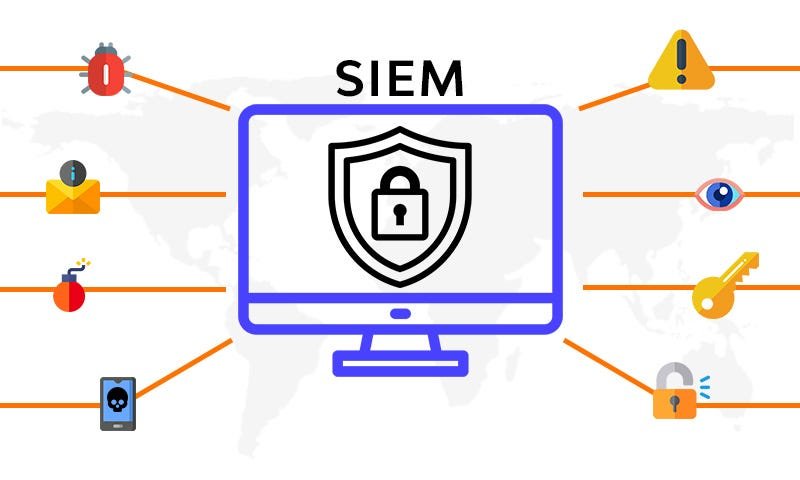
SIEM systems have evolved from log collectors into intelligent audit engines. They aggregate data from multiple sources and provide a centralized view of security events.
core functions
| Function | Description |
|---|---|
| Log aggregation | Collects logs from systems and applications |
| Correlation analysis | Links events across systems |
| Alerting | Detects suspicious patterns |
| Reporting | Generates audit-ready reports |
why siem matters for audits
Auditors rely heavily on logs. A robust SIEM ensures logs are complete, tamper-proof, and easily accessible.
example audit flow
| Step | SIEM Role |
|---|---|
| Data collection | Gather logs from all sources |
| Analysis | Identify anomalies |
| Reporting | Provide structured audit evidence |
emerging trend
By 2026, SIEM tools increasingly incorporate AI to detect anomalies that traditional rule-based systems might miss.
- cloud security posture management (cspm) tools
With most organizations operating in cloud environments, CSPM tools have become essential for identifying misconfigurations and compliance gaps.
common audit checks
| Check Type | Example |
|---|---|
| Access control | Over-permissive roles |
| Storage security | Publicly exposed buckets |
| Network configuration | Open ports |
| Compliance alignment | GDPR, PCI DSS requirements |
value in audits
CSPM tools provide instant visibility into cloud risks, allowing auditors to assess compliance without manual inspection.
snapshot comparison
| Manual Cloud Audit | CSPM-Based Audit |
|---|---|
| Time-consuming | Automated |
| Error-prone | Accurate |
| Limited coverage | Comprehensive |
- endpoint detection and response (edr) tools
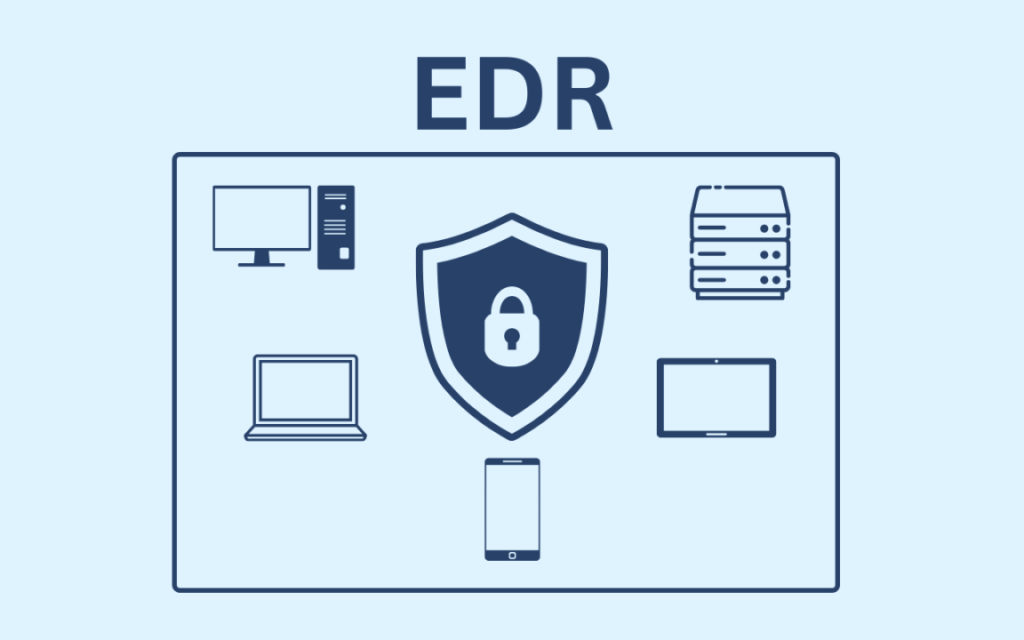
Endpoints—laptops, servers, mobile devices—are frequent entry points for attackers. EDR tools monitor endpoint activity and respond to threats in real time.
key features
| Feature | Description |
|---|---|
| Behavioral monitoring | Tracks suspicious actions |
| Threat detection | Identifies malware and anomalies |
| Incident response | Automatically isolates affected devices |
| Forensics | Provides detailed attack timelines |
audit relevance
EDR tools provide detailed evidence of endpoint activity, which is crucial during forensic audits.
timeline example
| Time | Event |
|---|---|
| 10:01 AM | Suspicious file executed |
| 10:02 AM | EDR alert triggered |
| 10:03 AM | Device isolated |
| 10:10 AM | Incident logged for audit |
- identity and access management (iam) auditing tools
Identity is the new security perimeter. IAM audit tools focus on who has access to what—and whether that access is justified.
audit focus areas
| Area | Risk |
|---|---|
| Excess privileges | Unauthorized actions |
| Dormant accounts | Exploitable access |
| Weak authentication | Increased breach risk |
tool capabilities
- Access reviews
- Role analysis
- Authentication tracking
- Privilege escalation detection
importance
Many breaches occur due to compromised credentials. IAM tools help auditors verify that access controls are properly enforced.
access audit example
| User Role | Access Level | Status |
|---|---|---|
| Admin | Full | Review needed |
| Analyst | Limited | Approved |
| Former staff | Active | Critical issue |
- application security testing (ast) tools
Applications are a primary attack surface, especially in API-driven environments. AST tools test code for vulnerabilities during development and after deployment.
types of ast tools
| Type | Description |
|---|---|
| SAST | Static code analysis |
| DAST | Dynamic testing of running applications |
| IAST | Interactive testing during execution |
audit benefits
AST tools ensure that security is embedded into the development lifecycle, making audits smoother and more predictable.
development integration chart
| Stage | Security Tool |
|---|---|
| Code writing | SAST |
| Testing | IAST |
| Deployment | DAST |
- data loss prevention (dlp) systems
Data is the most valuable asset—and the most targeted. DLP systems monitor and prevent unauthorized data transfers.
monitoring areas
| Area | Example |
|---|---|
| Sensitive data sent externally | |
| Cloud storage | Unauthorized uploads |
| Endpoints | Data copied to external devices |
audit contribution
DLP tools provide visibility into how data moves, which is essential for compliance audits.
incident example
| Event | Action Taken |
|---|---|
| File upload detected | Blocked |
| Alert generated | Logged for audit |
| User notified | Warning issued |
- automated compliance and audit platforms
The final piece is the orchestration layer—tools that bring everything together into a unified audit framework.
core capabilities
| Capability | Description |
|---|---|
| Evidence collection | Aggregates data from multiple tools |
| Workflow automation | Streamlines audit processes |
| Reporting | Generates compliance reports |
| Integration | Connects with other security tools |
why this matters
Without automation, audits become fragmented. These platforms ensure consistency, efficiency, and scalability.
audit workflow chart
| Step | Tool Role |
|---|---|
| Data collection | Pull from SIEM, EDR, CSPM |
| Analysis | Identify gaps |
| Reporting | Generate audit documents |
| Follow-up | Track remediation |
integrated security audit ecosystem
A modern audit environment is not built on a single tool but on an interconnected ecosystem.
ecosystem overview
| Layer | Tool Category |
|---|---|
| Infrastructure | CSPM, vulnerability scanners |
| Application | AST tools |
| Endpoint | EDR |
| Identity | IAM tools |
| Data | DLP |
| Monitoring | SIEM |
| Orchestration | Compliance platforms |
flow representation
- Data flows from systems into SIEM
- Vulnerabilities are detected by scanners
- CSPM checks cloud configurations
- IAM validates access
- DLP monitors data movement
- Compliance platform aggregates everything
security maturity model for 2026
| Level | Characteristics |
|---|---|
| Basic | Isolated tools, manual audits |
| Intermediate | Partial integration, some automation |
| Advanced | Fully integrated ecosystem |
| Elite | AI-driven, predictive auditing |
implementation roadmap
phase 1: foundation
| Task | Tool Type |
|---|---|
| Deploy vulnerability scan | Scanning platform |
| Centralize logs | SIEM |
phase 2: expansion
| Task | Tool Type |
|---|---|
| Secure cloud | CSPM |
| Protect endpoints | EDR |
phase 3: optimization
| Task | Tool Type |
|---|---|
| Automate compliance | Audit platform |
| Enhance data protection | DLP |
common mistakes to avoid
| Mistake | Consequence |
|---|---|
| Using too many tools | Complexity and inefficiency |
| Lack of integration | Data silos |
| Ignoring alerts | Missed threats |
| No training | Misuse of tools |
faqs
- what is the most important security audit tool for 2026?
There is no single tool. A combination of SIEM, vulnerability scanning, and compliance automation forms the core foundation. - are automated audit tools reliable?
Yes, when properly configured. They improve accuracy and reduce human error, but still require oversight. - how often should security audits be performed?
Continuous monitoring is ideal, with formal audits conducted periodically based on compliance needs. - can small businesses afford these tools?
Many tools offer scalable pricing and cloud-based models, making them accessible even to smaller organizations. - how do these tools work together?
They integrate into a unified system where data flows between tools, providing a comprehensive security view. - what is the future of security audits?
AI-driven, real-time audits with predictive capabilities are expected to dominate in the coming years.
final thoughts
Security audits in 2026 are no longer about looking backward—they are about seeing what’s happening now and anticipating what comes next.
The eight tools discussed here form the backbone of a modern audit strategy. But tools alone are not enough. Success depends on how well they are integrated, managed, and aligned with organizational goals.
Organizations that invest in the right tools—and use them intelligently—will not only pass audits but build systems that are resilient, trustworthy, and ready for the future.