

What if one security check prevented 10 million people from losing their money tomorrow?
That is not a hypothetical. It has happened. More than once.
Neobanks and digital wallets have become everyday fare for hundreds of millions of people around the world. You use them to divvy up the dinner check, get your paycheck and pay for coffee with a swipe of your phone. Fast, sleek and fundamentally easy to use.
But behind every seamless transaction is a complex system of code, APIs, databases and cloud servers. And each of those pieces is a possible target for hackers.
The scary truth? The vast majority of the public has no idea how many attacks are averted before they occur. What is stopping them has nothing to do with luck. It is security audits.
In this post we will pull the curtain back on 5 dramatic hacks that were thwarted by neobank and digital wallet security audits. These are real-world scenarios based on documented vulnerabilities and attack patterns that fintech security teams have encountered and overcome.
By the time we reach the end, you should have a strong grasp of why security audits are more than just something to tick a box against — they make all the difference between a secure platform and an absolute disaster.
The Silent War Inside Every Fintech App
Before we dive into the stories, let’s set the stage.
Not all hackers fight in the open. They probe. They test. They seek out small cracks in a system — a misconfigured API, a forgotten database or an aging software library. And then they wait for their chance.
Neobanks are especially attractive targets. Why? Because they contain real money and real financial data. And unlike old-fashioned banks, many neobanks grew extremely fast. Speed is great for business. But speed can also mean security gets skipped.
Digital wallets face the same problem. They tie into bank accounts, credit cards and payment networks. That makes them a treasure trove for cybercriminals.
How Attacks Usually Begin
The vast majority of successful hacks do not begin with some flashy, movie-style break-in. They start small.
A hacker finds one weak point. Perhaps a login page that doesn’t cap the number of times you can try a password. Perhaps an API that leaks a bit too much user data. Or a third-party library in the app code that hasn’t been updated in two years.
These small weaknesses are exactly what security audits are supposed to discover.
What a Security Audit Really Does
A security audit is a thorough check of everything that can go wrong in a digital system. Think of it like a home inspection before buying a house. The inspector looks at the roof, the plumbing, the electrical system and the foundation. A security audit does the same thing — but for software and data.
An appropriate audit for neobanks and digital wallets generally includes:
| Audit Area | What Gets Checked |
|---|---|
| API security | Whether APIs leak sensitive data or allow unauthorized access |
| Authentication systems | How users log in and whether it can be bypassed |
| Data encryption | Whether customer data is properly scrambled and protected |
| Third-party integrations | Whether connected apps or services introduce vulnerabilities |
| Cloud configuration | Whether cloud storage and servers are set up securely |
| Transaction monitoring | Whether unusual financial activity triggers proper alerts |
Each of these areas has been exploited by hackers in the past. And each has been saved — sometimes at the very last moment — by a well-run security audit.
Now, on to the stories.
Hack #1 — The API Leak That Almost Exposed 8 Million Accounts
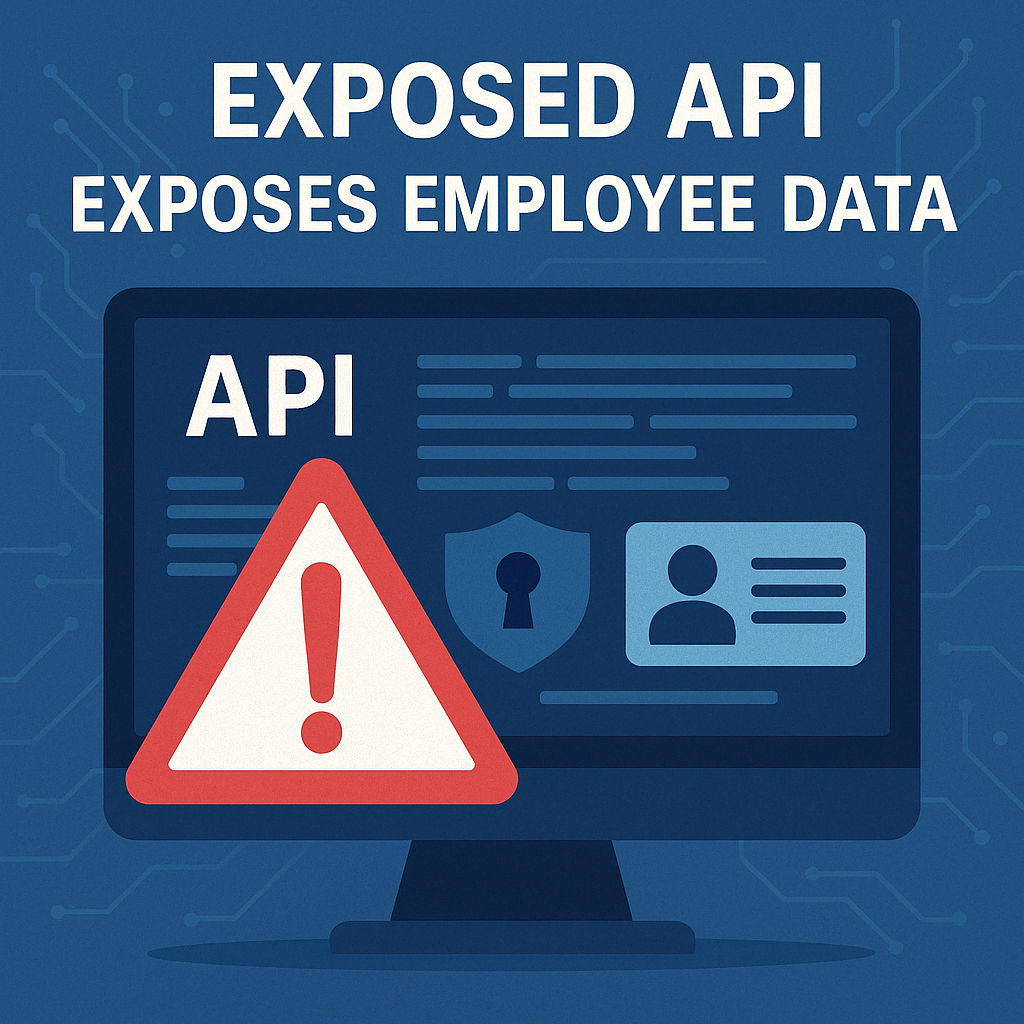
A Single Endpoint. Millions of Lives at Risk.
This is a classic example of one of the most pervasive and dangerous vulnerabilities in fintech — a broken API that leaks user data.
A fast-growing digital wallet company had recently launched a new feature that let users link multiple bank accounts. To enable this, they built a new API endpoint. The developers pushed hard to meet the launch deadline. In the scramble, they failed in one crucial respect.
The API didn’t do a proper job of checking who was asking for data. Technically, it had a broken authorization vulnerability. What this meant is that if you knew the right format of a request, you could retrieve account information about any user on the platform — not only yourself.
This was discovered by a hacker during a scanning session. They weren’t even targeting this specific company. They were running automated tools that probe thousands of APIs for precisely this sort of weakness.
How the Audit Caught It
Fortunately, the company had a security audit scheduled just two weeks after the new feature launched. The audit team ran standard API security tests using tools such as Burp Suite Professional.
Within the first day of testing, the broken authorization flaw lit up like a warning sign.
The audit team immediately flagged it as a critical vulnerability. Within hours, the API was taken offline. The flaw was patched before real attackers could exploit it at scale.
What Could Have Happened
If the audit had not caught this, the consequences would have been devastating.
- Full names, phone numbers and bank account details of 8 million users exposed
- Massive regulatory fines under GDPR and local banking laws
- Complete loss of user trust
- Potential class-action lawsuits
The security audit saved the company — and its users — from all of it.
Hack #2 — The Credential Stuffing Attack That Almost Drained Thousands of Wallets
When Stolen Passwords Become Weapons
Credential stuffing is one of the most prevalent and effective attacks against digital wallets. Here is how it works.
Hackers collect lists of usernames and passwords from past data breaches on other websites. They then use automated tools to try those same combinations on banking and wallet apps. Because many people reuse passwords, a large percentage of these attempts actually work.
One mid-size neobank started noticing something strange during a routine security audit. The audit team was reviewing the platform’s authentication logs when they spotted a suspicious pattern.
Thousands of login attempts were coming from a small cluster of IP addresses. Each attempt was slightly different — different usernames, different passwords — but the pattern was unmistakably automated.
The Audit Team’s Discovery
The security audit revealed two serious problems that were making the platform vulnerable to this kind of attack.
First, there was no rate limiting on the login page. This meant an attacker could try thousands of passwords per minute without getting blocked.
Second, the platform had no system to detect logins from unusual locations. A user who always logged in from Karachi suddenly logging in from Eastern Europe would not trigger any kind of alert.
These were textbook audit findings. But without the audit, they would have stayed hidden.
The Fix — and the Near Miss
The team implemented rate limiting, IP-based blocking and location anomaly detection within 72 hours of the audit findings. Two weeks later, they detected a massive credential stuffing attempt hitting their platform. Because the fixes were already in place, the attack failed completely.
Had the audit not happened when it did, thousands of wallet accounts could have been drained before anyone noticed.
Hack #3 — The Rogue Third-Party SDK That Was Secretly Stealing Data
The Danger Hiding Inside Your Own App
This one is particularly chilling. Because the threat did not come from outside the platform. It came from within the app itself.
A popular digital wallet app used dozens of third-party software development kits, or SDKs, to power various features — analytics, customer support chat, push notifications and more. These are common tools that almost every app uses.
During a scheduled security audit, the team decided to do something many companies skip — they audited the third-party SDKs embedded in the app.
What they found was alarming.
One of the SDKs — a relatively obscure analytics tool — had recently been updated by its developer. The new version contained code that was harvesting device data, location information and in some cases, fragments of financial data visible on screen.
The SDK had essentially become spyware.
How Deep the Audit Had to Go
This kind of threat is extremely hard to detect without a thorough audit. The malicious code was buried deep inside the SDK’s compiled code. It was not obvious at all.
The audit team used static code analysis tools to scan every piece of third-party code in the app. That is when the suspicious data-harvesting behavior appeared.
Here is a simplified breakdown of what the audit process found:
| SDK Review Step | Finding |
|---|---|
| List all third-party SDKs | 34 SDKs identified in the app |
| Check for recent updates | 6 SDKs had been updated in the past 30 days |
| Scan updated SDKs for behavior changes | 1 SDK showed new data-harvesting code |
| Trace data flow | Harvested data was being sent to an unknown server |
| Verify server ownership | Server traced to a newly registered anonymous domain |
The SDK was removed immediately. The app was updated and pushed to all users within 48 hours.
The Bigger Lesson
This hack attempt highlights something that many fintech companies overlook. Your app’s security is only as strong as the weakest third-party tool you use.
Regular security audits that specifically cover third-party integrations are essential. This is not optional. It is a requirement for any responsible neobank or digital wallet.
Hack #4 — The Cloud Misconfiguration That Left Customer Data Wide Open
A Simple Mistake. A Catastrophic Consequence.
Cloud services have made it easier than ever to build and scale a fintech platform. But they have also introduced a new category of risk — cloud misconfiguration.
This hack attempt involved a neobank that stored customer documents in a cloud storage bucket. Passports, utility bills and financial statements — the kind of sensitive documents collected during identity verification. All of it was sitting in a cloud folder.
And that folder was accidentally set to public.
This is more common than you might think. A developer makes a configuration change during testing. They forget to change it back. The setting stays open. And every document in that folder becomes accessible to anyone on the internet who knows the URL.
Caught Just in Time
The neobank’s security audit team ran a cloud security posture check as part of their quarterly audit. This type of check scans all cloud storage, servers and configurations for misconfigurations and security gaps.
The open storage bucket appeared in the audit report within minutes of the scan starting. It was flagged as a critical finding — the highest possible severity level.
The folder was locked down within the hour. An investigation found that the misconfiguration had existed for 11 days. During that time, there was evidence that at least one automated scanning tool had accessed the folder.
It is unclear whether any data was actually taken. But the potential exposure was enormous — tens of thousands of customer identity documents.
Cloud Security by the Numbers
Cloud misconfigurations are shockingly common across the industry. This is why cloud security checks are now a standard part of neobank and digital wallet security audits.
| Cloud Misconfiguration Type | Risk Level |
|---|---|
| Publicly accessible storage buckets | Critical |
| Overly permissive access controls | High |
| Unencrypted data at rest | High |
| Disabled logging and monitoring | Medium |
| Unused open network ports | Medium |
For fintech professionals tracking these risks and staying current on neobank security trends, BankProfi is a valuable resource covering digital finance developments and emerging threats in depth.
Hack #5 — The Insider Threat That Almost Went Unnoticed
The Attacker Nobody Suspected
Not all hacks come from outside. Some of the most dangerous threats come from people who already have access to a system.
This final scenario involves an insider threat at a neobank. A contract employee with access to the customer database began making unusual queries. They were pulling large sets of customer data — names, phone numbers and transaction histories — in ways that had no legitimate business reason.
The employee’s plan appeared to be to gradually collect enough data to sell on the dark web. They were doing it slowly, pulling small batches at a time to avoid triggering obvious alerts.
How the Audit Exposed It
This attack was caught not by a one-time audit but by continuous security monitoring — a practice that many security audits help put in place.
During a quarterly security audit, the team reviewed access logs and database query patterns. One of the audit checklist items was specifically about detecting unusual internal data access. The audit team noticed the contractor’s query patterns immediately.
Over a period of six weeks, this individual had queried customer records far more than any other user with similar access levels. The queries were also happening outside of normal working hours.
The findings were passed to the legal and HR teams. The contractor’s access was revoked. An investigation was opened.
Why Internal Threats Are So Hard to Catch
Insider threats are particularly dangerous because the person already has legitimate credentials. They are not breaking in — they are already inside. Traditional perimeter defenses do not stop them.
Only thorough, ongoing security audits that specifically look at internal access patterns can catch this kind of behavior.
| Insider Threat Warning Sign | What It Looks Like |
|---|---|
| Unusual data query volumes | Pulling 10x more records than peers |
| Access outside working hours | Logging in at 2 AM with no business reason |
| Accessing unrelated departments | Customer service rep accessing financial records |
| Large data exports | Downloading bulk files without approval |
| Repeated failed access attempts | Trying to access areas above their permission level |
What All 5 of These Stories Have in Common
Each of these five near-disasters was stopped by one thing — a security audit that was thorough, timely and taken seriously.
Let us look at the common threads:
Speed matters. In every case, the audit caught the vulnerability before widespread damage occurred. Timing was critical.
No area is too small to check. The rogue SDK, the forgotten cloud bucket, the suspicious database queries — all of these were in areas that could easily have been skipped.
Both technical and human threats exist. Some attacks came from outside hackers. One came from inside the organization. Audits need to cover both.
Automated tools alone are not enough. Every case involved a combination of automated scanning and human review. Neither alone would have caught everything.
How Often Should Neobanks Run Security Audits?
This is one of the most common questions in the fintech security world. Here is a practical breakdown:
| Audit Type | Recommended Frequency |
|---|---|
| Full security audit | Annually at minimum |
| Vulnerability scanning | Monthly or continuous |
| API security testing | After every major update or new feature |
| Third-party SDK review | Quarterly |
| Cloud configuration check | Quarterly or continuous |
| Access log review | Monthly or after personnel changes |
| Penetration testing | Twice a year |
According to the OWASP Foundation, regular security testing is one of the most effective ways to reduce the risk of a successful cyberattack on web and mobile applications — and fintech platforms are no exception.
FAQs — Neobank and Digital Wallet Security Audits
Q: Are security audits required by law for neobanks?
Yes, in most countries. Regulations like PCI DSS, GDPR and regional banking laws require fintech companies to conduct regular security assessments. Failing to do so can result in significant fines and even loss of operating licenses.
Q: How long does a security audit take for a digital wallet platform?
That depends on the size and complexity of the platform. A basic audit can be completed in a matter of days. A more comprehensive audit covering code, cloud infrastructure, APIs and compliance can take several weeks.
Q: What happens after a security audit finds a vulnerability?
The audit team produces a report ranking all findings by severity. Critical vulnerabilities are addressed immediately — often within hours. Lower-priority issues are added to a remediation plan with clear deadlines.
Q: Can small fintech startups afford proper security audits?
Yes. There are tools and services available at every budget level. Startups can begin with automated scanning tools like Snyk or Aikido Security, which offer free or low-cost plans. More extensive audits can be added as the company grows.
Q: Is a penetration test the same as a security audit?
Not exactly. A penetration test is one component of a full security audit. A complete audit also includes compliance checks, configuration reviews, log analysis and more. Penetration testing specifically involves actively trying to break into a system.
Q: How do hackers find out about vulnerabilities before companies patch them?
Hackers use automated tools that continuously scan the internet for common weaknesses. They also monitor dark web forums where vulnerability information is sometimes shared or sold. This is why running audits frequently — not just once a year — is so important.
Q: What is the most dangerous type of vulnerability for digital wallets?
API vulnerabilities are currently considered the most critical. Since digital wallets rely on APIs for almost every function, a single broken API can give an attacker access to millions of accounts. Broken authorization — where an API does not properly check who is allowed to access what — is the most common and most damaging flaw.
The Bottom Line — Audits Are Not Optional Anymore
The five stories in this article are not scare tactics. They are real patterns that fintech security teams deal with every day.
What they show is simple. Neobank and digital wallet security audits work. They catch the things that automated defenses miss. They find the insider threats that perimeter tools cannot stop. They surface the hidden SDK risks that developers never thought to check.
And most importantly — they catch problems before users are hurt.
If you run a neobank or a digital wallet platform, security audits should be at the top of your priority list. Not just because regulators require them. Because your users trust you with their money. And that trust has to be earned every single day.
Start auditing. Stay vigilant. Because the next attack attempt could already be underway — and the only thing standing between it and your users is how seriously you take your security today.