

The idea of launching a neobank has never been more appealing. Lower infrastructure costs, rapid scalability, and digital-first customer expectations have created fertile ground for innovation in financial services. Yet beneath the sleek interfaces and frictionless onboarding flows lies a dense and often unforgiving legal landscape. Many promising neobank ventures fail not because of weak product-market fit, but because of overlooked legal requirements that surface too late.
Before a neobank goes live, founders must treat legal readiness as seriously as product development or fundraising. This is not simply about avoiding fines—it is about building a resilient institution that regulators, partners, and customers can trust. The following nine legal checks represent the foundation every neobank should validate before launch.
regulatory licensing and jurisdictional approval
The first and most fundamental legal checkpoint is determining whether your neobank requires a banking license, an electronic money institution (EMI) license, or operates under a Banking-as-a-Service (BaaS) partner. Each path carries distinct regulatory obligations, capital requirements, and operational constraints.
In many jurisdictions, offering deposit accounts or holding customer funds directly requires a full banking license. This is expensive and time-consuming. As a result, many startups partner with licensed banks and operate as a frontend layer.
A simplified comparison helps clarify the options:
| Model Type | License Required | Capital Requirement | Time to Launch | Regulatory Burden |
|---|---|---|---|---|
| Full Bank | Yes | Very High | 1–3 years | Very High |
| EMI | Yes | Medium | 6–12 months | High |
| BaaS Partnership | No (indirect) | Low | 3–6 months | Medium |
Choosing the wrong model can lead to regulatory shutdowns. For example, if your product effectively behaves like a bank but you operate without the proper license, regulators may intervene quickly. This makes early legal consultation essential.
anti-money laundering (AML) and KYC compliance
Neobanks are particularly vulnerable to financial crime risks due to their digital onboarding processes. Regulators expect robust Anti-Money Laundering (AML) and Know Your Customer (KYC) frameworks before a single customer is onboarded.
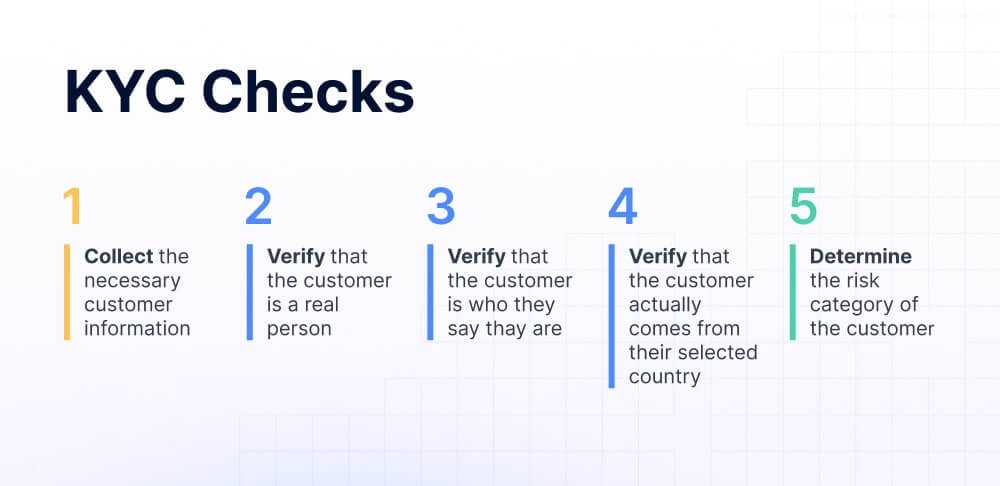
A strong AML/KYC program includes:
- Customer identity verification processes
- Risk-based customer profiling
- Transaction monitoring systems
- Suspicious activity reporting procedures
- Ongoing customer due diligence
Here is a basic risk classification table:
| Customer Type | Risk Level | Required Checks |
|---|---|---|
| Individual (local) | Low | ID verification, address check |
| Freelancer/global | Medium | Enhanced verification, income source |
| Business entity | High | Ownership structure, beneficial owners |
| Politically exposed | Very High | Full enhanced due diligence |
Failing to implement proper AML controls can lead to severe penalties and reputational damage. More importantly, it can result in termination of partnerships with licensed banks, effectively shutting down operations.
data protection and privacy compliance
Data is the lifeblood of a neobank, but it is also one of its biggest legal liabilities. Regulations such as GDPR (in Europe) and similar frameworks globally impose strict rules on how customer data is collected, stored, and processed.
Before launch, a neobank must ensure:
- Clear user consent mechanisms
- Data minimization practices
- Secure storage and encryption standards
- Data breach response plans
- Cross-border data transfer compliance
A data flow diagram can help visualize compliance readiness:
Customer → App Interface → Secure Server → Encrypted Database → Analytics Engine
At each step, legal safeguards must be in place. Even a minor oversight—such as storing sensitive data without encryption—can lead to regulatory investigations.
consumer protection and transparency laws
Financial services are heavily regulated when it comes to customer protection. Neobanks must provide clear, transparent information about fees, terms, and risks.
Key requirements include:
- Plain-language terms and conditions
- Transparent fee structures
- Clear dispute resolution processes
- Fair marketing practices
Consider the difference between compliant and non-compliant fee disclosure:
| Scenario | Compliant Approach | Non-Compliant Approach |
|---|---|---|
| ATM withdrawal fee | Clearly stated before transaction | Hidden in fine print |
| Currency conversion fee | Displayed in real-time | Added after transaction |
| Account maintenance fee | Monthly notification | No prior disclosure |
Transparency is not just a legal requirement—it is a competitive advantage. Customers are more likely to trust platforms that clearly communicate costs.
partnership and third-party agreements
Most neobanks rely on a network of partners, including sponsor banks, payment processors, card issuers, and cloud providers. Each partnership introduces legal dependencies and risks.
Critical agreements to review include:
- Banking partner agreements
- Payment network contracts
- API service terms
- Outsourcing and vendor agreements
A typical dependency structure looks like this:
Neobank → Sponsor Bank → Payment Network → Customer
If any link in this chain fails or becomes non-compliant, the entire operation can be disrupted. Legal due diligence on partners is therefore essential.
intellectual property and branding protection
While financial compliance often dominates discussions, intellectual property (IP) is equally important. A neobank’s brand, technology, and user experience are key assets that must be legally protected.
Steps include:
- Trademark registration for brand name and logo
- Patent filings (if applicable)
- Copyright protection for software and content
- Domain name ownership verification
A simple IP protection checklist:
| Asset Type | Protection Method | Status Before Launch |
|---|---|---|
| Brand name | Trademark | Required |
| Mobile app | Copyright | Required |
| Core algorithm | Patent (optional) | Recommended |
| Website domain | Ownership verification | Required |
Neglecting IP protection can lead to disputes that delay or derail launch plans.
capital requirements and financial compliance
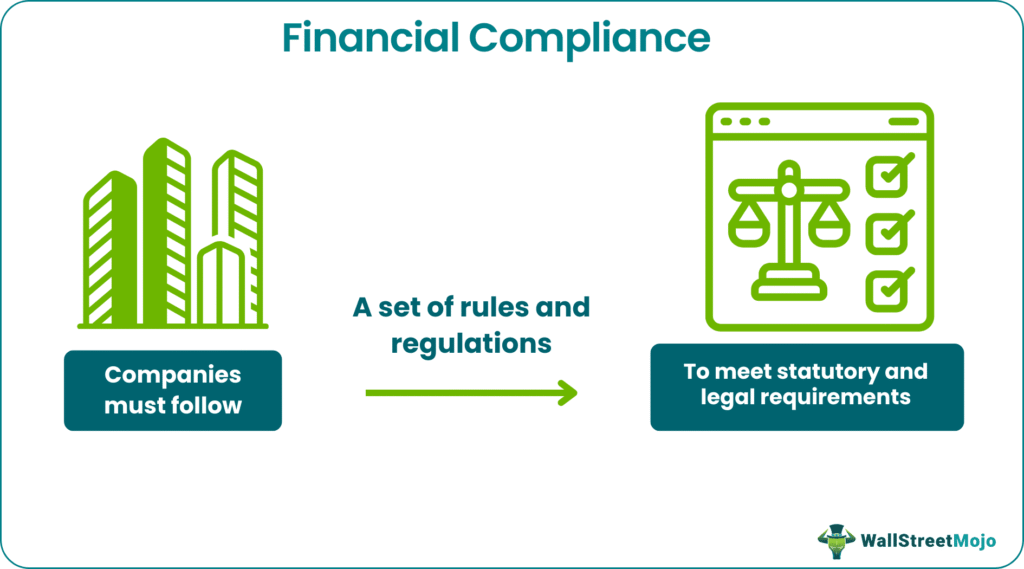
Even if a neobank operates under a BaaS model, it must meet certain financial requirements. These may include minimum capital reserves, liquidity ratios, and safeguarding of customer funds.
Key financial compliance checks:
- Adequate capital buffer
- Segregation of customer funds
- Regular financial reporting
- Audit readiness
A simplified capital allocation example:
| Category | Allocation (%) |
|---|---|
| Operational expenses | 40% |
| Regulatory reserves | 30% |
| Technology | 20% |
| Contingency | 10% |
Regulators want assurance that the institution can withstand financial stress without impacting customers.
cross-border compliance and expansion readiness
Many neobanks aim for global reach from day one. However, operating across borders introduces complex legal challenges.
Important considerations:
- Licensing requirements in each jurisdiction
- Currency control regulations
- Local consumer protection laws
- Tax implications
A comparison of expansion complexity:
| Region | Regulatory Complexity | Time to Enter | Key Challenge |
|---|---|---|---|
| Europe | High | Medium | GDPR compliance |
| Southeast Asia | Medium | Fast | Fragmented regulations |
| USA | Very High | Slow | State-level licensing |
| Middle East | Medium | Medium | Local sponsorship rules |
Expanding without proper legal groundwork can result in blocked operations or fines.
incident response and legal risk management
No system is immune to failures. Whether it is a data breach, system outage, or fraud incident, regulators expect neobanks to have a clear response plan.
An effective legal risk framework includes:
- Incident detection systems
- Internal escalation procedures
- Regulatory reporting timelines
- Customer communication strategies
A typical incident response timeline:
| Timeframe | Action |
|---|---|
| 0–24 hours | Detect and contain issue |
| 24–72 hours | Notify regulators (if required) |
| 72+ hours | Inform customers and implement fixes |
Preparedness in this area can significantly reduce legal exposure.
governance structure and board oversight
Finally, governance is the backbone of legal compliance. Regulators expect clear accountability structures within the organization.
Essential governance elements:
- Defined roles and responsibilities
- Independent board oversight
- Compliance and risk committees
- Internal audit functions
A governance structure example:
Board of Directors
↓
CEO → Compliance Officer → Risk Manager
↓
Operational Teams
Without proper governance, even well-designed compliance systems can fail due to poor execution.
bringing it all together
Launching a neobank is not just a technological endeavor—it is a legal and regulatory challenge that requires meticulous planning. Each of the nine checks outlined above plays a critical role in ensuring that the institution operates within the bounds of the law while maintaining customer trust.
The interplay between these checks is what ultimately determines success. For example, strong AML controls are meaningless without proper governance, and robust data protection measures must align with consumer transparency requirements.
Founders who treat legal readiness as a core pillar—not an afterthought—position their neobank for sustainable growth. Those who do not often find themselves navigating costly setbacks that could have been avoided.
frequently asked questions
- do all neobanks need a banking license
No, not all neobanks require a full banking license. Many operate through partnerships with licensed banks using a BaaS model. However, the need for a license depends on the services offered and the jurisdiction. - how long does it take to become legally compliant before launch
It varies widely. A BaaS-based neobank might achieve compliance readiness in 3–6 months, while obtaining a full banking license can take several years. - what is the biggest legal risk for new neobanks
AML and KYC compliance failures are among the biggest risks. These can lead to heavy fines, loss of partnerships, and reputational damage. - can a neobank operate in multiple countries from day one
Yes, but it requires careful legal planning. Each country has its own regulatory framework, and compliance must be ensured in every jurisdiction. - how important is data protection for neobanks
Extremely important. Data breaches or misuse of customer information can result in severe penalties and loss of customer trust. - what happens if a neobank fails a regulatory audit
Consequences can range from fines and operational restrictions to complete shutdown, depending on the severity of the violation.
In the end, legal checks are not barriers—they are safeguards. They ensure that innovation in financial services is built on a foundation that can endure scrutiny, scale responsibly, and earn lasting trust.