

The rise of neobanks has fundamentally reshaped the financial landscape over the past decade. What began as a wave of sleek, mobile-first alternatives to traditional banking institutions has now evolved into a complex ecosystem that must operate under increasing regulatory scrutiny. As we move into 2026, the regulatory expectations placed on neobanks are no longer experimental or loosely defined—they are precise, demanding, and rapidly evolving.
Regulators across jurisdictions have learned from past fintech missteps, tightened frameworks, and expanded their oversight into areas such as data protection, operational resilience, and financial crime prevention. For neobanks, compliance is no longer a box-ticking exercise; it is a strategic function that can determine survival or failure.
This article explores ten smart regulation tips that neobanks must adopt in 2026 to remain compliant, competitive, and trustworthy. Along the way, you’ll find structured insights, tables, and practical breakdowns that go beyond surface-level advice.
understanding the 2026 regulatory climate
Before diving into the tips, it’s important to understand the broader context. Regulatory bodies in 2026 are focusing on three core priorities:
- Consumer protection
- Systemic risk prevention
- Technological accountability
Neobanks, by nature, operate heavily on technology, which places them at the intersection of all three.
Table: Key regulatory focus areas in 2026
| Area | Description | Impact on Neobanks |
|---|---|---|
| Data Privacy | Stricter handling of personal and financial data | Requires robust encryption & audits |
| Financial Crime | AML, KYC, fraud prevention tightening | Increased compliance costs |
| Operational Resilience | Ability to withstand disruptions | Need for redundancy systems |
| Open Banking | Data-sharing standards expansion | API governance becomes critical |
| Capital Requirements | More scrutiny on financial stability | Pressure on funding models |
tip 1: build compliance into product design from day one

One of the most costly mistakes neobanks make is treating compliance as an afterthought. In 2026, this approach is no longer viable.
Regulators increasingly expect “compliance by design,” meaning every feature—whether it’s onboarding, payments, or lending—must incorporate regulatory safeguards from inception.
Instead of asking, “Is this feature compliant?” after development, teams must ask, “How do we design this feature to meet compliance requirements from the start?”
Practical approach:
- Embed compliance officers into product teams
- Use regulatory checklists during sprint planning
- Conduct pre-launch compliance testing
tip 2: prioritize real-time transaction monitoring
Batch-based monitoring systems are becoming obsolete. In 2026, regulators expect real-time or near-real-time oversight of transactions to detect suspicious activity instantly.
This is particularly critical for anti-money laundering (AML) compliance.
Chart: evolution of transaction monitoring
| Year | Monitoring Type | Detection Speed | Regulatory Acceptance |
|---|---|---|---|
| 2018 | Batch processing | Slow | Moderate |
| 2022 | Hybrid systems | Medium | High |
| 2026 | Real-time monitoring | Instant | Mandatory trend |
Neobanks should invest in machine learning models that can:
- Detect anomalies instantly
- Reduce false positives
- Adapt to new fraud patterns
tip 3: strengthen KYC with layered identity verification
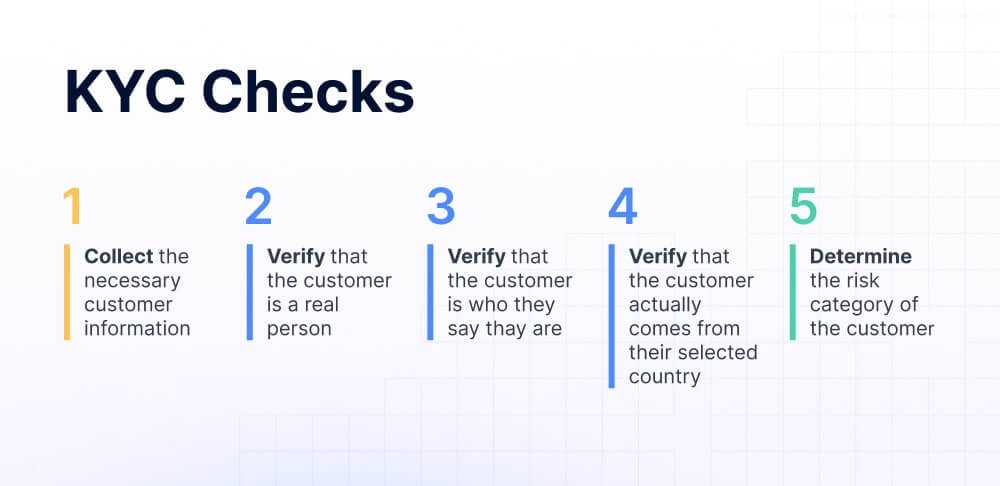
Know Your Customer (KYC) processes have evolved significantly. Simple document uploads are no longer sufficient.
In 2026, regulators favor layered identity verification, combining:
- Biometric authentication
- Behavioral analysis
- Device fingerprinting
- Database cross-checks
Table: comparison of KYC methods
| Method | Security Level | User Friction | Regulatory Approval |
|---|---|---|---|
| Document Upload | Medium | Low | Declining |
| Video Verification | High | Medium | Strong |
| Biometrics | Very High | Low | Growing |
| Multi-layered KYC | Maximum | Medium | Preferred |
tip 4: ensure transparency in fee structures
Hidden fees have been a recurring issue in digital banking. Regulators in 2026 are enforcing strict transparency requirements.
Neobanks must:
- Clearly display all fees upfront
- Provide real-time fee breakdowns
- Notify users before charges are applied
This is not just about compliance—it’s also a trust-building mechanism.
tip 5: adopt robust data governance frameworks
Data is the backbone of neobanks, but it is also a major regulatory risk.
In 2026, data governance must include:
- Clear data ownership policies
- Data minimization practices
- Secure storage and transfer protocols
- Regular audits
Table: data governance checklist
| Component | Requirement |
|---|---|
| Data Mapping | Know where all data resides |
| Access Controls | Limit access based on roles |
| Encryption | Encrypt data at rest and in transit |
| Audit Trails | Track all data interactions |
| Retention Policies | Define data storage timelines |
tip 6: prepare for cross-border regulatory complexity
Many neobanks operate across multiple jurisdictions, each with its own rules.
In 2026, regulators are collaborating more, but differences still exist.
Challenges include:
- Conflicting data laws
- Varying licensing requirements
- Currency-specific regulations
Smart neobanks address this by:
- Maintaining localized compliance teams
- Using modular compliance systems
- Partnering with regional experts
tip 7: invest in regtech solutions
Regulatory Technology (RegTech) is no longer optional—it is essential.
RegTech tools help automate:
- Compliance reporting
- Risk assessments
- Fraud detection
- Regulatory updates tracking
Chart: benefits of regtech adoption
| Benefit | Impact Level |
|---|---|
| Cost Reduction | High |
| Accuracy Improvement | Very High |
| Speed of Compliance | High |
| Scalability | Very High |
tip 8: maintain strong capital and liquidity buffers
Regulators are increasingly concerned about the financial stability of neobanks, especially those without traditional banking licenses.
In 2026, expectations include:
- Higher capital reserves
- Transparent liquidity management
- Stress testing
Table: capital adequacy considerations
| Factor | Importance |
|---|---|
| Tier 1 Capital | Critical |
| Liquidity Coverage | High |
| Stress Testing | Mandatory |
| Risk-weighted Assets | Essential |
tip 9: enhance operational resilience
Operational failures—such as outages or cyberattacks—can have severe regulatory consequences.
Neobanks must ensure:
- System redundancy
- Incident response plans
- Regular stress testing
- Third-party risk management
Real-world implication: even a few hours of downtime can trigger regulatory investigations.
tip 10: create a culture of compliance, not just a department
Perhaps the most overlooked aspect of regulation is culture.
Compliance should not sit solely within a legal or risk team. It must be embedded across the organization.
Signs of a strong compliance culture:
- Employees understand regulatory responsibilities
- Leadership prioritizes compliance decisions
- Training is continuous and practical
Table: compliance culture maturity model
| Level | Description |
|---|---|
| Basic | Compliance handled by one team |
| Developing | Some cross-team awareness |
| Advanced | Organization-wide accountability |
| Mature | Compliance drives strategic decisions |
practical implementation roadmap for neobanks in 2026
To make these tips actionable, here’s a simplified roadmap:
Phase 1: Assessment
- Conduct a full compliance audit
- Identify regulatory gaps
Phase 2: Integration
- Implement regtech tools
- Redesign processes for compliance
Phase 3: Optimization
- Automate monitoring systems
- Improve reporting accuracy
Phase 4: Continuous Improvement
- Stay updated with regulations
- Conduct regular training
common mistakes neobanks must avoid
Even with the best intentions, many neobanks fall into predictable traps:
- Over-reliance on third-party providers without proper oversight
- Ignoring small regulatory updates
- Scaling too fast without compliance infrastructure
- Treating compliance as a cost center rather than a value driver
Avoiding these pitfalls can significantly reduce regulatory risk.
future outlook: what comes after 2026?
Looking ahead, several trends are likely to shape the next phase of neobank regulation:
- AI governance frameworks will become stricter
- Real-time regulatory reporting may become standard
- Digital identity systems could be globally unified
- Environmental and social compliance may expand
Neobanks that prepare early will have a significant advantage.
frequently asked questions (FAQs)
- Why is compliance becoming stricter for neobanks in 2026?
Regulators have gained more experience with fintech risks and are now enforcing stricter rules to protect consumers and financial systems. - What is the biggest compliance challenge for neobanks?
Managing cross-border regulations while maintaining a seamless user experience is one of the most complex challenges. - Are small neobanks also subject to the same regulations?
Yes, although requirements may vary slightly, even small neobanks must meet core compliance standards. - How can neobanks reduce compliance costs?
By adopting regtech solutions, automating processes, and integrating compliance into product design. - What role does technology play in compliance?
Technology enables real-time monitoring, automated reporting, and advanced fraud detection, making compliance more efficient. - Can a neobank operate without a full banking license?
Yes, but it depends on the jurisdiction. Many operate under partnerships or limited licenses, but regulatory expectations still apply.
conclusion
Neobank regulation in 2026 is no longer a gray area—it is a structured, demanding environment that requires proactive strategies. The most successful neobanks will not be those that simply comply, but those that integrate compliance into their DNA.
By focusing on real-time monitoring, advanced KYC, data governance, and a strong compliance culture, neobanks can turn regulatory challenges into competitive advantages. The future belongs to institutions that see regulation not as a burden, but as a foundation for trust, scalability, and long-term success.