
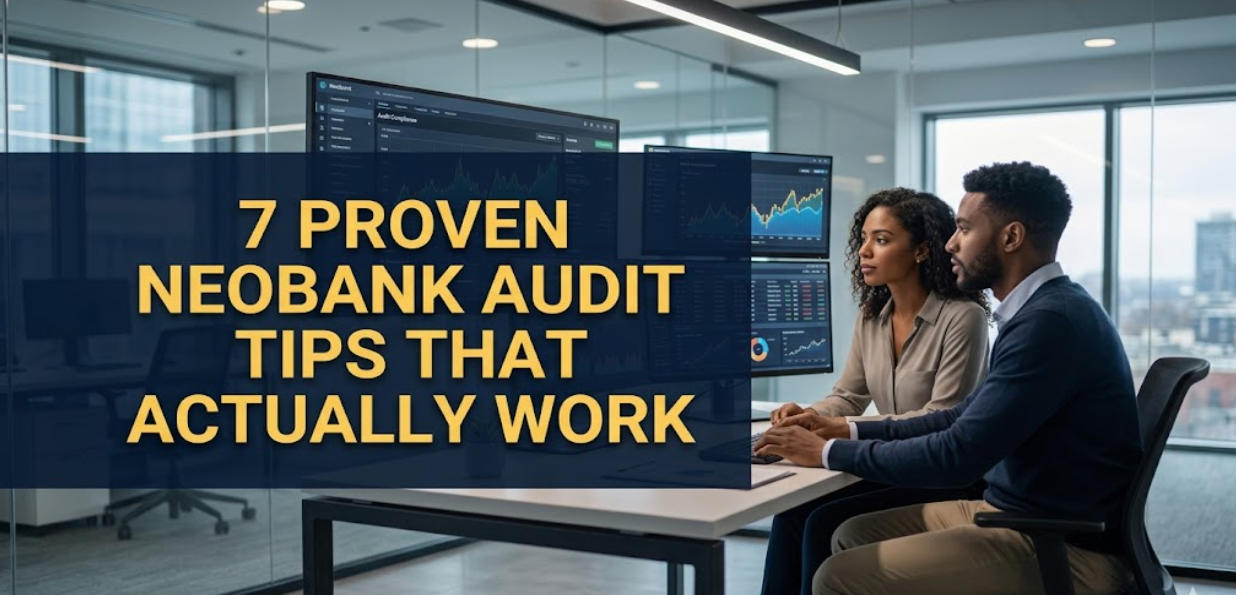
Neobanks move fast. That’s part of their appeal—rapid product launches, seamless onboarding, real-time transactions. But audits don’t move fast. They move methodically, carefully, and with an eye for detail that often catches startups off guard.
For many neobanks, the audit process feels like a disruption. Teams scramble to gather documents, reconstruct decision trails, and explain systems that were never designed with scrutiny in mind. The result? Stress, delays, and sometimes regulatory findings that could have been avoided.
But audits don’t have to be painful. When approached strategically, they can actually strengthen operations, improve trust, and uncover inefficiencies that would otherwise go unnoticed.
This article walks through seven proven audit tips that are not theoretical—they’re practical, field-tested, and designed for how neobanks actually operate in 2026.
understanding how neobank audits have evolved
Audits today are no longer limited to financial statements. They now cover:
- Anti-money laundering (AML) systems
- Data protection practices
- Technology infrastructure
- Vendor relationships
- Operational resilience
In other words, auditors are not just reviewing numbers—they’re reviewing how the entire business functions.
Table: audit scope expansion over time
| Period | Audit Focus | Depth Level |
|---|---|---|
| Pre-2018 | Financial records | Moderate |
| 2018–2022 | AML & compliance | High |
| 2023–2026 | Full operational ecosystem | Very High |
This shift means neobanks must prepare differently. Documentation alone is not enough—systems, processes, and decisions must all be auditable.
tip 1: build audit trails into every critical workflow
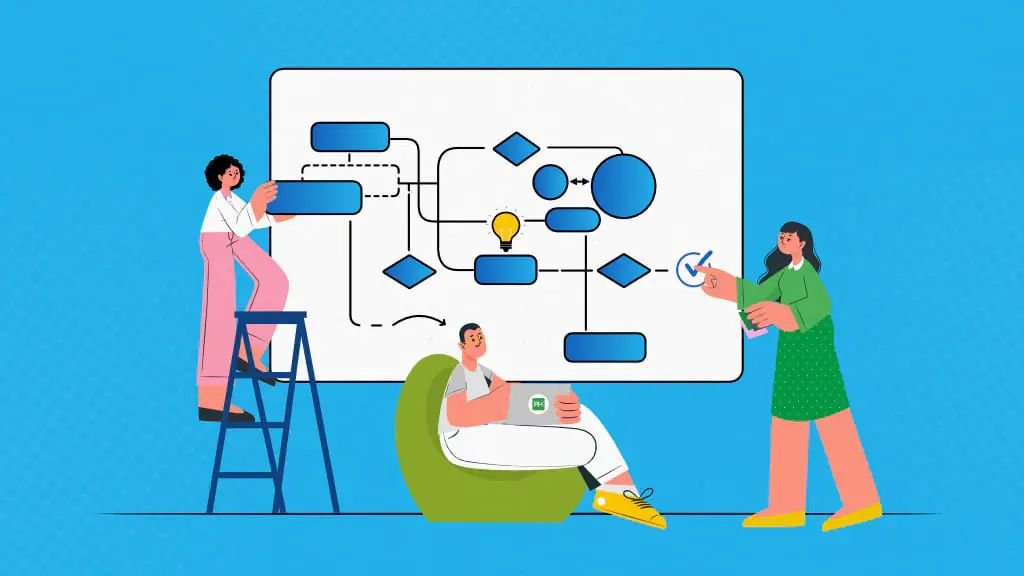
One of the most common audit failures is the inability to show “who did what, when, and why.”
Audit trails solve this problem.
Every critical action—customer onboarding decisions, transaction flags, risk scoring updates—should be logged automatically. These logs should be:
- Immutable (cannot be altered)
- Time-stamped
- Easily retrievable
Table: essential audit trail components
| Component | Purpose |
|---|---|
| User ID tracking | Identify who performed an action |
| Timestamp logs | Record exact time of activity |
| Action history | Track changes and updates |
| Decision rationale | Explain why actions were taken |
Without these, even compliant actions can appear suspicious simply because they cannot be verified.
tip 2: document processes like an outsider will read them
Internal teams often understand processes intuitively. Auditors do not.
A common mistake is writing documentation that assumes prior knowledge. Effective documentation should:
- Use plain language
- Follow step-by-step logic
- Include screenshots or flow descriptions
- Avoid internal jargon
Think of it this way: if a new hire can’t understand your process documentation, an auditor won’t either.
Chart: documentation clarity impact
| Documentation Quality | Audit Outcome Likelihood |
|---|---|
| Poor | High risk of findings |
| Moderate | Some clarifications needed |
| Clear & structured | Smooth audit process |
tip 3: run internal mock audits before the real one

Waiting for an external audit to test your systems is risky.
Mock audits simulate real audit conditions:
- Random sampling of transactions
- Review of compliance logs
- Testing of escalation procedures
They help identify gaps early.
Table: mock audit benefits
| Benefit | Impact Level |
|---|---|
| Early issue detection | Very High |
| Team preparedness | High |
| Reduced audit stress | High |
A well-run mock audit often reveals issues that are easy to fix—but only if discovered in time.
tip 4: centralize compliance and audit data
Fragmented systems are one of the biggest audit challenges.
When data is spread across multiple tools:
- Reports become inconsistent
- Evidence is harder to gather
- Timelines get delayed
Centralization creates a single source of truth.
Table: centralized vs fragmented data
| Factor | Fragmented Systems | Centralized System |
|---|---|---|
| Data access speed | Slow | Fast |
| Audit preparation | Difficult | Efficient |
| Error rate | High | Low |
Even a basic centralized dashboard can dramatically improve audit readiness.
tip 5: align product changes with compliance updates
Neobanks release features quickly—but compliance updates often lag behind.
This misalignment creates audit risks.
Every product change should trigger:
- A compliance review
- Updated risk assessments
- Documentation updates
Table: product-compliance alignment checklist
| Step | Required Action |
|---|---|
| Feature launch | Compliance approval |
| New user flow | KYC/AML validation |
| Payment updates | Transaction monitoring adjustment |
| API changes | Security review |
Auditors frequently look for gaps between product evolution and compliance updates.
tip 6: maintain clear vendor oversight records
Neobanks rely heavily on third-party providers—cloud services, KYC tools, payment processors.
But outsourcing services does not outsource responsibility.
Auditors expect:
- Vendor due diligence records
- Contracts with compliance clauses
- Performance monitoring logs
Table: vendor oversight essentials
| Requirement | Description |
|---|---|
| Due diligence | Evaluate vendor risks |
| Contracts | Include compliance obligations |
| Monitoring | Track ongoing performance |
| Incident logs | Record vendor-related issues |
A weak vendor oversight framework is a common audit finding.
tip 7: train teams continuously, not occasionally
Compliance training is often treated as a one-time event.
That’s not enough.
Teams must stay updated on:
- Regulatory changes
- Internal policy updates
- New risk scenarios
Chart: training frequency vs audit performance
| Training Frequency | Audit Readiness |
|---|---|
| Annual | Low |
| Bi-annual | Moderate |
| Continuous | High |
Well-trained teams make fewer mistakes—and respond better during audits.
what auditors actually look for (beyond documents)
Many teams focus on preparing documents. But auditors are equally interested in behavior.
They ask questions like:
- Do teams follow documented processes?
- Are decisions consistent?
- Is there accountability?
Table: auditor evaluation dimensions
| Dimension | What Auditors Check |
|---|---|
| Consistency | Same process followed every time |
| Traceability | Actions can be tracked |
| Accountability | Clear ownership exists |
| Effectiveness | Systems actually work |
This is why simply having policies is not enough—they must be actively used.
real-world audit breakdown example
Let’s walk through a simplified audit scenario.
Area: Transaction Monitoring
Audit Steps:
- Select sample transactions
- Review flagged alerts
- Check investigation logs
- Verify resolution timelines
Expected Evidence:
- Alert logs
- Analyst notes
- Decision outcomes
- Escalation records
Common Failure:
Missing investigation notes—even when the alert was correctly handled.
30-day audit readiness improvement plan
Week 1:
- Review audit trails
- Identify missing logs
Week 2:
- Update documentation
- Centralize data sources
Week 3:
- Conduct mock audit
- Fix identified gaps
Week 4:
- Train teams
- Finalize audit checklist
common audit mistakes neobanks must avoid
Even experienced teams fall into these traps:
- Relying on memory instead of logs
- Keeping outdated documentation
- Ignoring small inconsistencies
- Overlooking vendor risks
- Delaying audit preparation
These mistakes are rarely intentional—but they are frequently flagged.
future of neobank audits
Audits are becoming more technology-driven.
Emerging trends include:
- Automated audit tools
- Real-time compliance monitoring
- Continuous auditing models
Table: audit evolution trends
| Trend | Impact on Neobanks |
|---|---|
| Automation | Faster audits |
| Real-time monitoring | Continuous oversight |
| AI-based analysis | Deeper risk detection |
Neobanks that adapt early will find audits becoming less stressful and more predictable.
frequently asked questions (FAQs)
- What is the most important factor in a successful audit?
Clear and complete audit trails are the single most important factor, as they provide verifiable evidence of all actions. - How often should neobanks conduct internal audits?
At least quarterly, with continuous monitoring for critical systems. - Do small neobanks face the same audit requirements as large ones?
Yes, although the scale may differ, the core expectations remain the same. - How can startups prepare for their first audit?
By documenting processes early, centralizing data, and conducting mock audits. - What role does technology play in audits?
Technology enables better tracking, faster reporting, and improved accuracy in compliance processes. - Can audit failures be avoided completely?
Not always, but strong preparation significantly reduces the likelihood and severity of findings.
conclusion
Audits are not just regulatory hurdles—they are opportunities to strengthen the foundation of a neobank.
By building audit trails, improving documentation, running mock audits, and aligning compliance with product development, startups can transform audits from stressful events into structured, manageable processes.
The key is consistency. Systems must work the same way every time, and teams must understand their role in maintaining that consistency.
In 2026, the neobanks that succeed won’t be the ones that avoid audits—they’ll be the ones that are always ready for them.