


The neobank story has always been about speed—faster onboarding, faster payments, faster product iteration. But as the industry matures, speed alone is no longer enough. Regulators, investors, and customers are asking a different question now: how well are you being watched, measured, and challenged from within?
Audit practices, once treated as a back-office necessity, have moved to the center of strategic decision-making. In 2026, they are no longer periodic checkboxes. They are continuous, data-driven, and deeply embedded into the architecture of a neobank.
This article explores seven audit practices that are not just useful but essential. Each one reflects a shift from reactive compliance to proactive governance. Along the way, you’ll find practical tables, simple frameworks, and operational insights that go beyond surface-level advice.
understanding the new audit reality for neobanks
Traditional banks built audit systems over decades. Neobanks, in contrast, are often scaling in months. This mismatch creates tension. Regulators expect rigor; startups prioritize agility.
The result is a new audit paradigm with three defining traits:
- continuous instead of periodic
- technology-led instead of manual
- risk-focused instead of checklist-driven
Table: traditional vs modern neobank audit approach
| Dimension | Traditional Audit | Neobank Audit (2026) |
|---|---|---|
| Frequency | Annual/Quarterly | Continuous / Real-time |
| Data Usage | Sample-based | Full data coverage |
| Tools | Spreadsheets, manual checks | Automated platforms, AI |
| Focus | Compliance | Risk + performance |
| Ownership | Audit team only | Cross-functional |
This shift changes not only how audits are performed, but also who is responsible for them.
- continuous auditing instead of periodic reviews

Waiting for quarterly or annual audits is no longer viable in a real-time financial environment. Continuous auditing allows issues to be detected as they emerge.
What continuous auditing looks like in practice:
- Automated checks running on live transaction data
- Real-time alerts for policy breaches
- Dashboards that update without manual intervention
Chart: continuous audit lifecycle
Data Input → Automated Rule Engine → Exception Detection → Alert Generation → Review → Resolution → Feedback Loop → Updated Rules
The feedback loop is critical. Every resolved issue should refine the system, making future detection more accurate.
Table: benefits of continuous auditing
| Benefit | Impact on Neobank |
|---|---|
| Early issue detection | Reduces financial losses |
| Real-time compliance | Meets regulatory expectations |
| Lower audit backlog | Frees up human resources |
| Improved transparency | Builds stakeholder trust |
A neobank that audits continuously rarely faces unpleasant surprises.
- risk-based internal audit frameworks
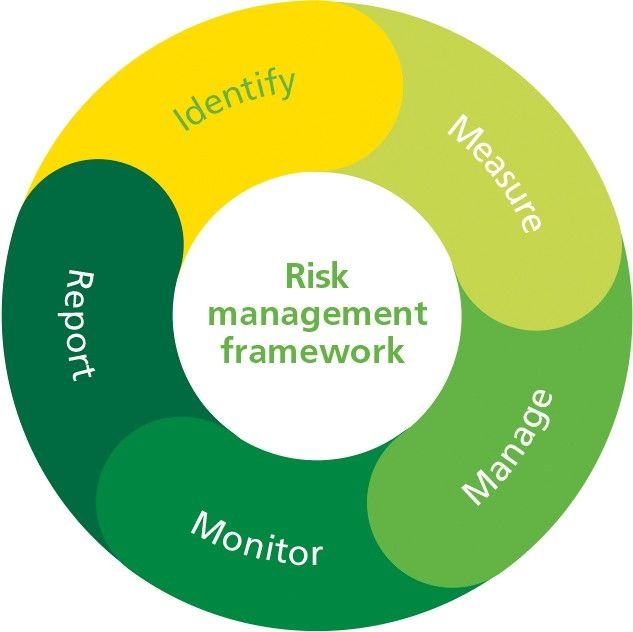
Not every process deserves equal attention. A risk-based audit framework ensures that the most critical areas receive the deepest scrutiny.
Steps to implement:
- Identify risk domains (payments, onboarding, lending)
- Assign risk scores
- Allocate audit resources accordingly
Table: sample risk prioritization matrix
| Area | Risk Level | Audit Frequency | Audit Depth |
|---|---|---|---|
| Payments | High | Monthly | Deep |
| KYC/Onboarding | High | Monthly | Deep |
| Customer Support | Medium | Quarterly | Moderate |
| Marketing | Low | Annual | Light |
This approach prevents resource dilution and keeps focus where it matters most.
- integrated compliance and audit systems
In many early-stage neobanks, compliance and audit operate in silos. This separation creates inefficiencies and blind spots.
Integration means:
- Shared data pipelines
- Unified dashboards
- Aligned workflows
Example workflow:
Compliance detects a suspicious pattern → Audit validates control effectiveness → Tech team patches system → Compliance updates rules
Table: siloed vs integrated model
| Aspect | Siloed Approach | Integrated Approach |
|---|---|---|
| Data sharing | Limited | Seamless |
| Issue resolution | Slow | Fast |
| Accountability | Fragmented | Clear |
| Visibility | Partial | End-to-end |
Integration reduces duplication and accelerates decision-making.
- automated audit trails and documentation
Manual documentation is not only time-consuming but also prone to errors. Automated audit trails ensure that every action is recorded accurately.
Key features:
- Timestamped logs
- User activity tracking
- Immutable records
Chart: audit trail structure
User Action → System Log → Encrypted Storage → Retrieval Interface → Audit Review
Table: essential audit trail components
| Component | Purpose |
|---|---|
| User ID | Identifies responsible party |
| Timestamp | Tracks timing of actions |
| Action Type | Defines what was done |
| System Response | Records system behavior |
| Metadata | Adds contextual information |
Strong audit trails are often the difference between passing and failing regulatory inspections.
- ai-driven anomaly detection
Static rules can only catch known patterns. In 2026, neobanks are increasingly relying on AI to identify unknown risks.
Capabilities of AI-driven auditing:
- Detecting unusual transaction behavior
- Identifying subtle fraud patterns
- Adapting to new threats
Comparison table:
| Feature | Rule-Based System | AI-Driven System |
|---|---|---|
| Pattern recognition | Predefined | Adaptive |
| False positives | High | Lower |
| Scalability | Limited | High |
| Learning capability | None | Continuous |
However, AI should complement—not replace—human judgment. Audit teams must interpret results and make final decisions.
- third-party and vendor audit controls
Neobanks rely heavily on external vendors—cloud providers, payment gateways, KYC services. Each introduces additional risk.
Key audit practices:
- Vendor risk assessments
- Regular compliance reviews
- Contractual audit clauses
Table: vendor risk evaluation framework
| Vendor Type | Risk Level | Audit Requirement |
|---|---|---|
| Cloud Provider | High | Annual + Certifications |
| Payment Gateway | High | Quarterly Review |
| KYC Provider | Medium | Bi-annual Review |
| Marketing Tools | Low | Annual Check |
Ignoring vendor risks is a common mistake that can have severe consequences.
- audit culture and accountability across teams
Audit is not just a department—it’s a mindset. In high-performing neobanks, every team understands its role in maintaining control.
Signs of a strong audit culture:
- Teams document processes proactively
- Engineers consider auditability during development
- Leadership reviews audit metrics regularly
Table: audit responsibility by team
| Team | Audit Responsibility |
|---|---|
| Engineering | System controls, logging |
| Compliance | Regulatory adherence |
| Product | Risk-aware feature design |
| Operations | Process consistency |
| Leadership | Oversight and accountability |
Culture is harder to build than systems, but far more powerful in the long run.
bringing it together: a unified audit ecosystem
When these seven practices are implemented together, they form a cohesive audit ecosystem.
Visual structure:
Data Layer → Monitoring Systems → Risk Engine → Audit Framework → Reporting Dashboard → Decision Layer
Each layer feeds into the next, creating a closed loop of continuous improvement.
Table: audit maturity model for neobanks
| Stage | Characteristics |
|---|---|
| ابتدائی (Basic) | Manual audits, limited coverage |
| ترقی پذیر (Developing) | Partial automation, risk awareness |
| اعلی (Advanced) | Integrated systems, continuous monitoring |
| بہترین (Optimized) | Predictive audits, AI-driven insights |
Progression through these stages should be intentional and measurable.
common pitfalls to watch in 2026
Even with the right intentions, many neobanks fall into similar traps:
- Over-reliance on automation without validation
- Ignoring audit feedback loops
- Treating audit as a one-time activity
- Underinvesting in audit talent
- Failing to align audit with business strategy
Avoiding these pitfalls requires both discipline and leadership commitment.
practical implementation roadmap
Phase 1: foundation
- Establish audit policies
- Implement basic logging
- Define risk categories
Phase 2: expansion
- Introduce automation tools
- Integrate compliance systems
- Train teams
Phase 3: optimization
- Deploy AI models
- Conduct regular audits
- Refine based on insights
Timeline chart:
Month 1–3 → Setup
Month 4–8 → Integration
Month 9–12 → Optimization
This phased approach ensures sustainable growth without overwhelming resources.
sample audit dashboard metrics
A well-designed dashboard provides clarity at a glance.
Table: key audit metrics
| Metric | Description |
|---|---|
| Open Audit Issues | Pending items |
| Resolution Time | Average closure duration |
| High-Risk Alerts | Critical issues detected |
| Compliance Score | Overall adherence level |
| Audit Coverage | % of processes audited |
These metrics help leadership make informed decisions quickly.
future trends shaping neobank audits
Looking ahead, several trends are set to redefine audit practices:
- Regulatory technology (RegTech) expansion
- Real-time regulatory reporting
- Increased focus on data privacy audits
- Cross-border audit standardization
Neobanks that anticipate these trends will have a competitive advantage.
faqs
- what makes neobank audits different from traditional bank audits
Neobank audits are more technology-driven, continuous, and focused on real-time data rather than periodic reviews. - how often should a neobank conduct audits in 2026
While continuous auditing runs daily, formal reviews should still occur quarterly or semi-annually depending on risk levels. - is ai necessary for neobank auditing
AI is not mandatory but highly beneficial for scaling operations and detecting complex patterns that manual systems might miss. - how can small neobanks manage audit costs
By adopting cloud-based audit tools, prioritizing high-risk areas, and gradually scaling their audit infrastructure. - what role do employees play in audit success
Employees are critical. A strong audit culture ensures that everyone contributes to compliance and risk management. - can audit practices improve customer trust
Yes. Transparent and effective audits reduce fraud, improve security, and enhance overall user confidence.
final thoughts
Audit practices in neobanking have evolved from being reactive safeguards to proactive strategic tools. In 2026, the most successful neobanks will not be the ones that simply comply with regulations, but those that embed audit intelligence into every layer of their operations.
The seven practices outlined here are not isolated tactics. They are interconnected elements of a broader system—one that balances innovation with accountability. By adopting them thoughtfully, even beginners can build a resilient, scalable, and trustworthy financial platform.