

The rapid rise of neobanks has transformed financial services into a faster, more user-centric, and digitally driven ecosystem. But behind the sleek mobile apps and frictionless onboarding lies a complex web of regulatory obligations, operational risks, and compliance challenges. As regulators intensify scrutiny, audits have become a defining factor in determining whether a neobank scales successfully or struggles under compliance pressure.
In practice, audits are not merely checklists. They are narratives—stories about how a neobank manages risk, safeguards customer assets, and ensures transparency. Within these narratives, red flags are early warning signals. Ignoring them can lead to penalties, reputational damage, or even forced shutdowns.
This article explores nine critical neobank audit red flags that founders, compliance officers, and operations teams must understand deeply. It goes beyond surface-level advice and provides context, patterns, and practical insights to help identify and address risks before they escalate.
understanding why audit red flags matter in neobanking
Traditional banks have decades of experience in managing audits. Neobanks, on the other hand, often operate in a fast-moving environment where growth sometimes outpaces governance. This mismatch creates vulnerabilities.
Audit red flags serve as indicators of deeper systemic issues. They rarely exist in isolation. For example, weak transaction monitoring might be tied to poor data infrastructure, which in turn may stem from rushed product deployment.
Ignoring these signals often leads to compounded risks. A minor documentation gap today can evolve into a regulatory breach tomorrow. Therefore, recognizing red flags early is not just about compliance—it is about sustainable growth.
red flag 1: inconsistent customer onboarding and kyc processes
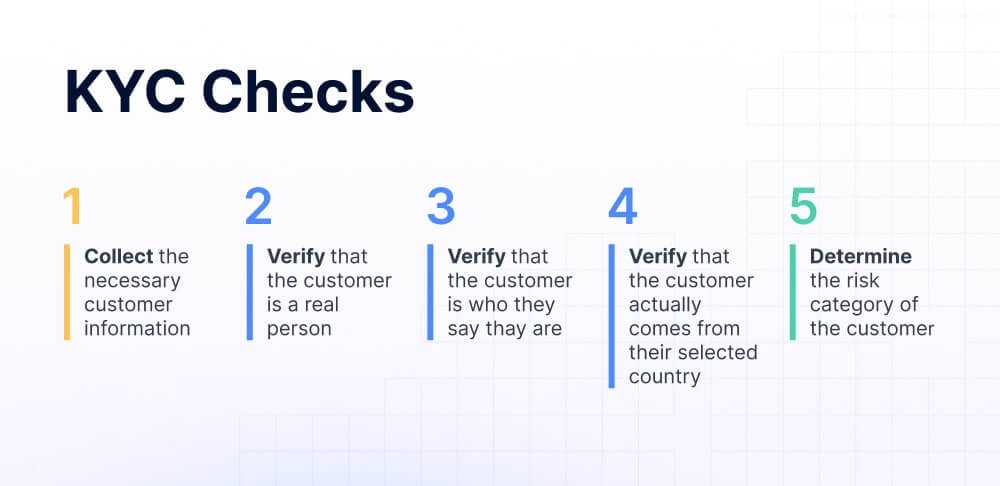
One of the most common issues auditors detect is inconsistency in Know Your Customer (KYC) procedures. In many neobanks, onboarding flows evolve rapidly to improve user experience, but compliance checks do not always keep pace.
If some customers are onboarded with stricter identity verification while others slip through with minimal checks, it creates a fragmented compliance framework.
Here is a simple comparison of onboarding consistency levels:
| Onboarding Scenario | Risk Level | Audit Impact |
|---|---|---|
| Uniform KYC across all users | Low | Positive audit outcome |
| Minor variations in checks | Medium | Requires remediation |
| Significant inconsistencies | High | Major red flag |
Common causes include:
- Frequent changes to onboarding workflows without compliance validation
- Third-party KYC vendors with inconsistent performance
- Lack of centralized policy enforcement
Auditors view inconsistency as a structural flaw, not just an operational oversight.
red flag 2: weak transaction monitoring systems
Transaction monitoring is the backbone of anti-money laundering (AML) compliance. A weak or outdated monitoring system is a serious concern.
Neobanks often rely heavily on automated tools, but over-reliance without tuning can create blind spots. For example, rules that are too broad may generate excessive false positives, while overly narrow rules might miss suspicious activity.
Consider the following breakdown:
| Monitoring Parameter | Weak Setup | Strong Setup |
|---|---|---|
| Rule customization | Minimal | Dynamic and adaptive |
| Alert accuracy | Low | High precision |
| Review process | Manual-heavy | Balanced automation |
| Escalation workflow | Undefined | Clearly structured |
Auditors typically test systems by simulating suspicious transactions. If the system fails to flag them, it signals deeper risk.
red flag 3: lack of clear audit trails
Every financial action within a neobank must be traceable. Audit trails ensure transparency and accountability. When these trails are incomplete or fragmented, it becomes difficult to reconstruct events.
A missing audit trail could mean:
- Transactions cannot be verified
- User actions cannot be traced
- Internal changes lack accountability
This is particularly problematic in environments where multiple teams interact with systems, such as engineering, compliance, and operations.
An effective audit trail should include:
- Timestamped logs
- User identification
- Action details
- System responses
Without these elements, auditors may question the integrity of the entire system.
red flag 4: delayed regulatory reporting
Regulatory reporting is not optional—it is mandatory and time-sensitive. Delays in reporting suspicious activity, financial statements, or compliance updates raise immediate concerns.
Here’s how reporting delays impact risk:
| Delay Duration | Risk Level | Regulatory Reaction |
|---|---|---|
| On-time | Low | No issues |
| 1–3 days delay | Medium | Warning |
| Repeated delays | High | Penalties likely |
Common reasons for delays include:
- Manual reporting processes
- Data silos across systems
- Lack of accountability
Auditors often examine reporting timelines closely. Repeated delays suggest operational inefficiency or intentional avoidance.
red flag 5: over-reliance on third-party providers
Neobanks typically depend on third-party vendors for services such as payments processing, identity verification, and cloud infrastructure. While outsourcing is efficient, over-reliance without proper oversight is risky.
If a critical vendor fails, the neobank’s operations—and compliance—can collapse.
Key concerns auditors look for:
- Lack of vendor due diligence
- No contingency plans
- Limited visibility into vendor operations
A structured vendor risk framework might look like this:
| Vendor Type | Risk Level | Oversight Requirement |
|---|---|---|
| Core banking provider | High | Continuous monitoring |
| KYC vendor | Medium | Regular audits |
| Analytics tools | Low | Periodic review |
Without proper governance, third-party risks become internal risks.
red flag 6: insufficient data protection controls
Data security is a cornerstone of trust in digital banking. Weak data protection measures not only violate regulations but also expose customers to serious harm.
Auditors assess:
- Encryption standards
- Access controls
- Data storage policies
- Incident response mechanisms
A simplified risk comparison:
| Security Control | Weak Implementation | Strong Implementation |
|---|---|---|
| Encryption | Partial | End-to-end |
| Access control | Role ambiguity | Strict role-based |
| Monitoring | Reactive | Proactive |
Data breaches often originate from overlooked vulnerabilities rather than sophisticated attacks.
red flag 7: unclear internal roles and responsibilities

In fast-growing neobanks, roles often overlap. While flexibility can drive innovation, it creates confusion during audits.
If responsibilities are not clearly defined:
- Compliance tasks may be neglected
- Accountability becomes unclear
- Errors go unreported
Auditors frequently ask simple questions like:
“Who is responsible for reviewing suspicious transactions?”
If the answer is unclear or inconsistent, it signals governance issues.
A well-structured responsibility matrix helps mitigate this risk:
| Function | Responsible Team | Backup Owner |
|---|---|---|
| AML monitoring | Compliance | Risk team |
| Reporting | Finance | Compliance |
| Data security | IT | Security team |
Clarity reduces risk and improves audit outcomes.
red flag 8: high volume of unresolved alerts
Transaction monitoring systems generate alerts, but the real test lies in how those alerts are handled.
A backlog of unresolved alerts indicates:
- Resource constraints
- Inefficient processes
- Potential oversight of suspicious activity
Here’s a typical alert management snapshot:
| Alert Status | Healthy System | Risky System |
|---|---|---|
| Resolved within 24h | 85%+ | <50% |
| Pending alerts | Low | High |
| Escalation rate | Structured | Ad hoc |
Auditors pay close attention to alert resolution times and patterns.
red flag 9: absence of continuous compliance training
Compliance is not a one-time effort. It requires continuous education across all teams.
Without regular training:
- Employees may unknowingly violate policies
- New regulations may not be implemented properly
- Risk awareness remains low
Training effectiveness can be evaluated as follows:
| Training Frequency | Effectiveness |
|---|---|
| Annual only | Low |
| Quarterly | Medium |
| Continuous + updates | High |
Auditors often interview employees to assess awareness levels. Poor responses indicate gaps in training programs.
integrating audit readiness into daily operations
The most successful neobanks treat audits as ongoing processes rather than periodic events. This mindset shift transforms compliance from a reactive function into a proactive strategy.
Key practices include:
- Embedding compliance checks into product development
- Automating monitoring and reporting systems
- Conducting internal audits regularly
- Maintaining real-time dashboards for risk indicators
A sample audit readiness checklist:
| Area | Status Indicator |
|---|---|
| KYC consistency | Verified |
| Monitoring systems | Updated |
| Audit trails | Complete |
| Reporting | Timely |
| Vendor oversight | Active |
Consistency across these areas significantly reduces audit risks.
practical chart: red flag severity vs business impact
Below is a conceptual representation of how different red flags impact a neobank’s operations:
| Red Flag | Severity | Business Impact |
|---|---|---|
| KYC inconsistency | High | Regulatory penalties |
| Weak monitoring | High | Fraud exposure |
| Missing audit trails | Medium | Investigation delays |
| Reporting delays | High | Compliance violations |
| Vendor reliance | Medium | Operational disruption |
| Data protection gaps | High | Reputation damage |
| Role confusion | Medium | Governance issues |
| Alert backlog | High | Missed risks |
| Training gaps | Medium | Long-term compliance risk |
This table highlights that not all red flags carry equal weight, but all require attention.
conclusion
Neobank audits are becoming more rigorous, and regulators are no longer tolerant of weak compliance frameworks. The nine red flags discussed here are not abstract risks—they are real, observable patterns that have led to enforcement actions across the industry.
The key takeaway is simple: audit readiness is not achieved through last-minute fixes. It is built through consistent processes, clear accountability, and continuous improvement.
By identifying and addressing these red flags early, neobanks can not only pass audits but also strengthen their foundation for long-term growth.
frequently asked questions
- what is the most serious audit red flag for a neobank
The most serious red flag is weak transaction monitoring because it directly impacts the ability to detect fraud and money laundering, which are top regulatory priorities. - how often should neobanks conduct internal audits
Internal audits should ideally be conducted quarterly, with continuous monitoring systems in place for real-time risk detection. - can small neobanks manage compliance effectively
Yes, but they must prioritize automation, clear policies, and strong vendor management to compensate for limited resources. - why do auditors focus so much on kyc processes
KYC is the first line of defense against financial crime. Any weakness at this stage can compromise the entire compliance framework. - how can neobanks reduce alert backlogs
They can improve alert prioritization, invest in automation, and ensure adequate staffing in compliance teams. - is outsourcing compliance functions risky
Outsourcing is not inherently risky, but lack of oversight and due diligence can turn third-party dependencies into major vulnerabilities.
This comprehensive understanding of audit red flags provides a practical foundation for navigating the evolving regulatory landscape in digital banking.