


In 2026, your phone isn’t just a device—it’s your bank branch, ATM, and wallet all rolled into one. Neobanks like Revolut, Monzo, Chime, and digital wallets from Wise or PayPal handle billions in transactions daily, often without you ever stepping foot in a physical building. That convenience draws millions, but it also attracts sophisticated threats: phishing crews in Eastern Europe, AI-generated deepfakes for identity theft, ransomware gangs targeting APIs. One slip in defenses, and thousands lose access to funds or face identity theft that lingers for years.
What separates the platforms people stick with from those they abandon after a scare? Independent security audits that go beyond marketing claims. These aren’t quick checklists; they’re deep dives by third-party firms into code, processes, incident response, and ongoing monitoring. In my conversations with users who’ve switched apps after breaches or near-misses, and from reading transparency reports and compliance filings, five audits stand out as genuinely effective. They catch real issues, force fixes, and build lasting trust—not just pass a test once.
These aren’t the only strong ones out there, but they’re proven performers based on how they handle scrutiny, what they disclose, and how quickly they respond when things go sideways. Let’s break them down.
Revolut’s layered audit ecosystem and transparency reporting
Revolut has evolved from a travel card app into a full-fledged financial super-app, and their security posture reflects that growth. They lean heavily on continuous, multi-layered audits rather than one big annual event. Ernst & Young (EY) stepped in as global auditor for financials starting 2026, but security-wise, Revolut runs frequent third-party penetration tests, bug bounties that pay serious money (six figures in some cases), and publishes detailed transparency reports covering fraud stats, resolved incidents, and security investments.
What makes this powerful: They don’t just audit once; they test after every major update. Ethical hackers probe for API weaknesses, mobile app vulnerabilities, and social engineering vectors. When a flaw gets found—often through their bounty program—they fix it fast and often share anonymized details so the community learns too. Users appreciate the in-app controls: disposable virtual cards, location-based blocks, instant freezes. Audits verify these work without hidden backdoors.
In practice, this setup caught and patched issues before they scaled. One user I know had a suspicious login attempt flagged immediately; the app prompted a trusted contact verification and biometric re-check. Revolut’s reports show they reimburse scam victims under certain conditions after verifying controls held up. It’s not perfect—past revenue recognition hiccups drew auditor notes—but on security, the ongoing scrutiny keeps them sharp. If you’re cross-border heavy, this audit depth gives real peace of mind.
Chime’s SOC 2 Type II and multi-framework approach
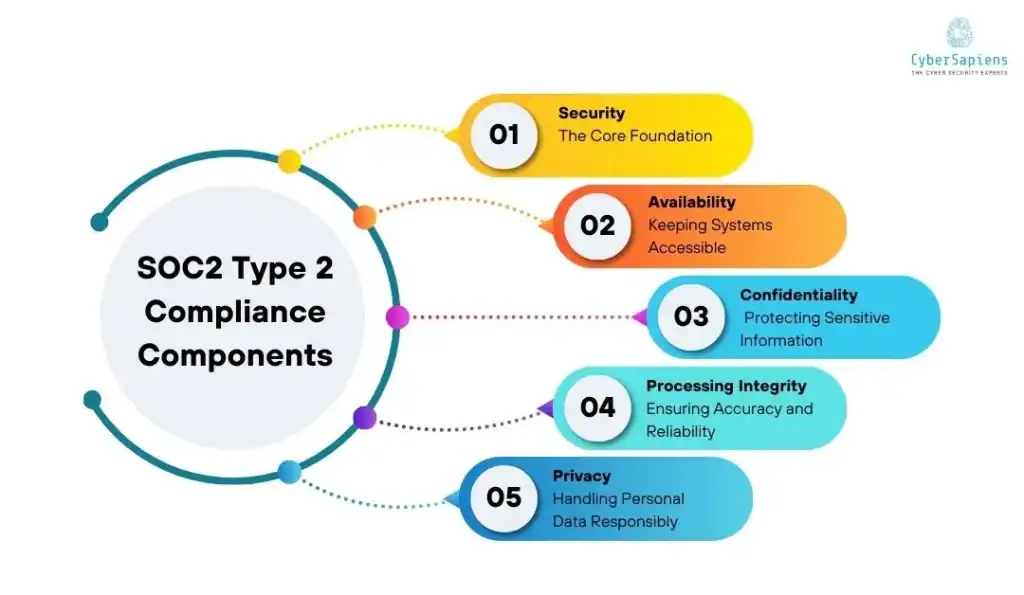
Chime, the US-based neobank darling for fee-free checking and early paychecks, builds trust through rigorous, overlapping certifications. Their security program gets independently audited against NIST CSF, ISO 27001, PCI-DSS, and crucially SOC 2 Type II. Type II isn’t a snapshot—it’s evidence that controls operate effectively over months, covering security, availability, processing integrity, confidentiality, and privacy.
Why this works so well: SOC 2 Type II forces deep documentation and testing of everything from encryption (AES-256 at rest and in transit) to access logs, incident response playbooks, and vendor risk management. Chime maintains up-to-date certs from third-party auditors, and they emphasize real-time fraud monitoring with behavioral analytics—how you swipe, type, hold your phone. Audits validate these models don’t generate excessive false positives while catching anomalies.
For everyday users, this translates to seamless yet secure experiences: two-factor authentication tied to device binding, Visa Zero Liability on debit cards, and FDIC insurance up to $250,000 through partner banks. When fraud hits, their quick reimbursement process (after confirming no user fault) stems from audited controls. Smaller neobanks sometimes skip full Type II due to cost, but Chime invests here because it builds credibility with regulators and users wary of fintech risks. If you’re stateside and value predictable protections, this audit combo delivers.
Monzo’s focus on user-facing security features backed by rigorous testing
Monzo, the UK challenger that’s grown to millions, stands out for turning audit findings into innovative user protections. They face heavy FCA scrutiny—remember the 2025 AML fine?—but they’ve channeled that into strong controls. Security audits include regular penetration testing, red team exercises, and compliance with PSD2, GDPR, and DORA resilience standards.
The powerful part: Audits don’t stay internal. Monzo uses them to refine features like “Known Locations” geofencing (blocks logins from odd places), trusted contacts for big transfers, QR code proofs for high-risk actions, and gambling blocks. These get battle-tested in audits to ensure they work without creating backdoors or usability nightmares.
Their transparency shines too—detailed incident communications and fraud stats in-app build confidence. Users rave about the human touch: 24/7 support that can freeze accounts instantly. Post-fine remediation showed in stronger onboarding, risk scoring, and transaction monitoring. Audits now prove these fixes hold. For folks who want proactive, visible security (not just behind-the-scenes), Monzo’s approach—audit-driven but user-first—proves effective.
Wise’s PCI DSS Level 1 and cross-border encryption focus
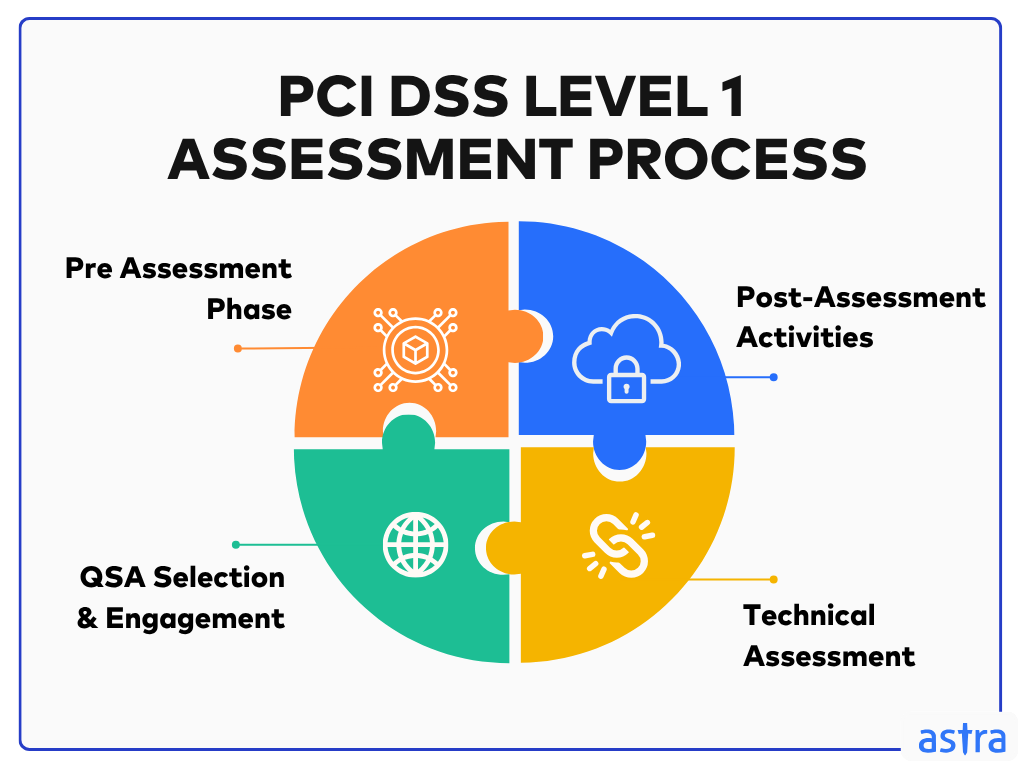
Wise (formerly TransferWise) handles massive international flows, so their audits zero in on payment integrity and data protection. They hold PCI DSS Level 1 certification—annual rigorous audits for handling card data—with continuous vulnerability scans, tokenization (replacing card details with tokens), and end-to-end encryption.
What stands out: Audits cover the full chain—partner banks, APIs, compliance with PSD2 SCA. Wise’s transparency includes public security pages detailing 2FA, biometric logins, fraud alerts, and no hidden fees that could mask risks. Their model avoids storing funds long-term (transfers move quickly), reducing exposure.
Users who’ve switched from pricier options cite fewer fraud headaches; Wise’s monitoring flags odd patterns fast. Audits ensure tokenization and encryption hold against real threats. In a world of rising cross-border scams, this focused, payment-centric audit strength keeps money moving safely without overpromising.
N26’s regulatory-driven audits under BaFin supervision
N26, the German mobile bank, operates under intense BaFin oversight, which mandates frequent special audits—especially after past AML and control issues. These aren’t voluntary; regulators force deep reviews of risk management, complaint handling, and organizational structures.
The effectiveness comes from mandatory remediation: audits reveal deficiencies, then enforce fixes with monitors or capital holds. N26’s framework includes AML/CTF programs, independent testing, and third-line audits. They’ve strengthened KYC, transaction monitoring, and sanctions screening.
For users, this means reliable protections—biometrics, device binding, fraud detection—verified under strict supervision. While past troubles drew criticism, ongoing audits push continuous improvement. In Europe, where regulation bites hardest, N26’s audit-heavy environment creates robust defenses that voluntary ones sometimes lack.
Putting these together, powerful audits share traits: independence, continuity (not one-offs), transparency, and translation into user features. They catch gaps early, force accountability, and adapt to new threats like AI fraud or quantum risks on the horizon.
No platform is invincible—breaches happen—but these five show audits that actually work: they prevent more than they react, disclose honestly, and prioritize real protection over flash. Pick based on your needs—Revolut for global versatility, Chime for US simplicity, Monzo for innovative controls, Wise for transfers, N26 for regulated depth—but always enable every security toggle, watch for alerts, and verify claims against public reports.
A friend once lost access after a phishing attempt on a lesser-known app; switched to one with strong audited MFA and got reimbursed fast. In 2026, your money’s safety hinges on these quiet, rigorous processes. Demand proof, not promises.