

Any time a security team takes a deep audit into a neobank or digital wallet, they discover something worrying.
Sometimes it’s a small gap. In other cases, it is a huge vulnerability left open for attackers to steal accounts, pilfer identities, or take down the system.
The scary part? The vast majority of these risks are invisible to the ordinary consumer. You open your app, check your balance, send money — and you have no reason to believe that something could be seriously wrong behind the curtain.
That is literally the point of security audits. They are looking where no one else does.
Neobanks are different from traditional banks. They run entirely on software. No physical branches, no paper trails, no manual sign-ups. Everything is automated and digital. That makes them quick and convenient — but also uniquely susceptible in ways that older banks are not.
In this post, we are going to guide you through 12 of the most common risks that security auditors see time and time again in neobank and digital wallet security audits. We will explain what each risk means, why it matters, and what it looks like in the real world.
Whether you’re in fintech, use a digital wallet most any day, or are merely interested in how these systems can break — this guide is for you.
The Cutthroat World of Digital Banking Security
But before we enter the risk territory, let’s paint a picture.
A neobank holds real money. Real personal data. Real financial histories. When it goes wrong, real people lose real things — savings, privacy, and peace of mind.
Cybersecurity research shows that the banking industry is in the top three of the most targeted industries by cyber threats. And neobanks, which are newer and tend to move more quickly, often cut corners when it comes to security in order to ship features faster.
That’s a dangerous trade-off.
That’s why security audits are in place — to find those corners before bad guys do. What they discover is often more significant than what most people anticipate.
Risk 1: Insecure or Compromised Authentication Mechanisms
This is the most frequent and one of the most serious discoveries in a neobank security assessment.
Authentication is all about proving you are who you say you are. If that process has leaks, then attackers can just walk right through.
What Auditors Find
- Login mechanisms not enforcing strong passwords
- No MFA on sensitive actions like transfers or password changes
- MFA that relies only on SMS codes, which can be intercepted through SIM swapping
- Session tokens that never expire, meaning if someone steals your token, they have unlimited access forever
A user who chooses “password123” and is never asked to do better is a risk. A system that allows that is a bigger one.
When security teams test authentication systems, they frequently discover that customers can log in from a never-before-seen device in a faraway country without any further verification steps. For a platform that holds someone’s life savings, that’s just not acceptable.
Risk 2: API Flaws That Lead to Customer Data Exposure
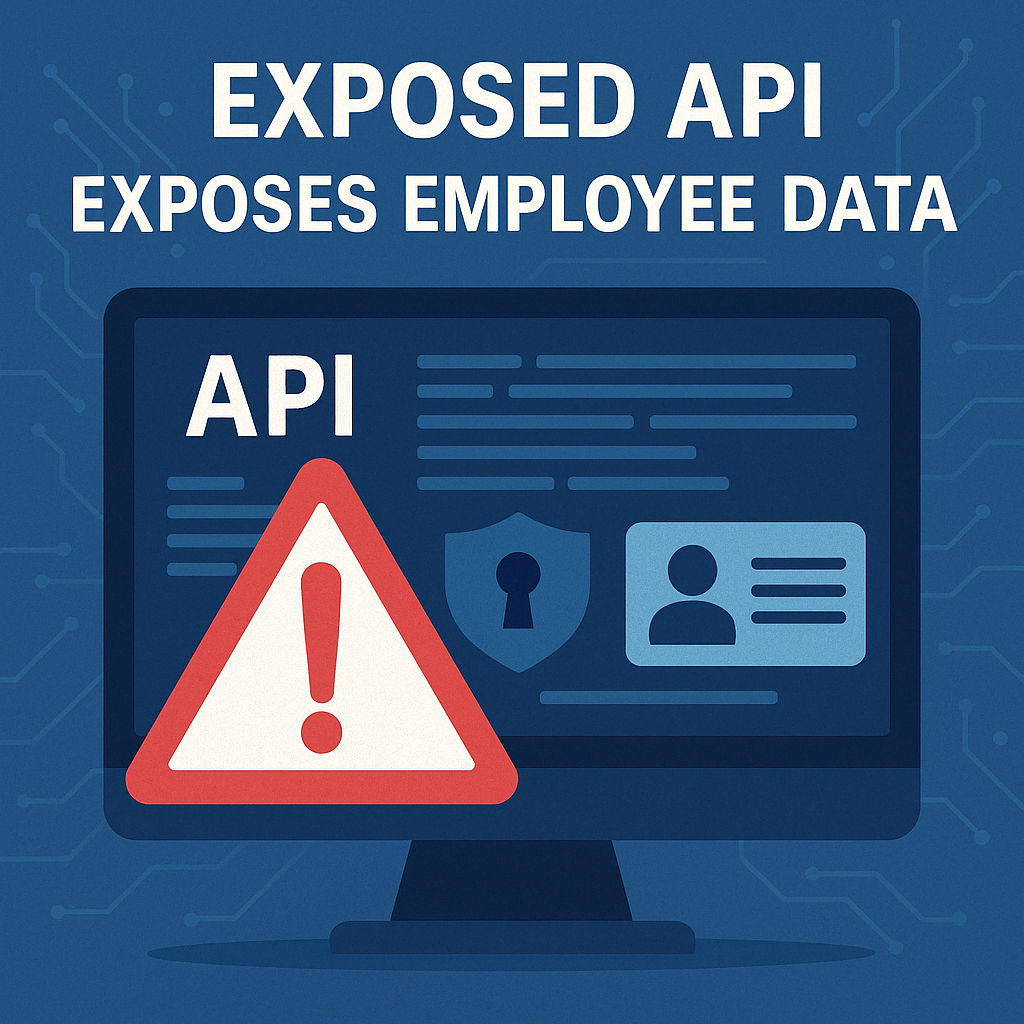
Neobanks rise and fall on their APIs. Whenever you check your balance, make a payment, or link an outside app with your account, an API is working behind the scenes.
And APIs, when not built carefully, can become the door through which hackers gain access.
The Most Common API Risks Found in Audits
| API Risk | What It Means |
|---|---|
| Broken Object Level Authorization | Users can modify other users’ account data by altering a simple ID number |
| Excessive Data Exposure | APIs return entire customer profiles when only one small field is needed |
| No Rate Limiting | Attackers can flood the system with thousands of requests without being blocked |
| Insecure Direct Object References | Attackers can guess URL patterns to retrieve hidden information |
Among the scariest findings that auditors report is when little more than a simple API call — changing just one number in a request — pulls up someone else’s entire account history. It occurs more often than people care to acknowledge.
Risk 3: Sensitive Data Not Sufficiently Encrypted
Encryption is what makes stolen data unreadable. Without it — or with insufficient versions of it — stolen data is immediately valuable to criminals.
Security testing of neobanks commonly exposes data that is not encrypted or protected with obsolete encryption technologies.
Where Encryption Failures Hide
- Databases storing account numbers or transaction records in plain text
- Mobile applications caching sensitive data on-device without encryption
- Network traffic between servers and apps without HTTPS, or with outdated SSL certificates
- Encryption keys stored in the same location as the encrypted data — which defeats the purpose entirely
Think of writing your PIN on the back of your debit card. That’s basically what it looks like when sensitive data is kept without proper protection.
Strong encryption is not just a technical checkbox. It is the final backstop when all else fails.
Risk 4: Inadequate KYC and Identity Verification
KYC processes are how neobanks determine that their users are real, legitimate people. It’s a regulatory requirement — and a security measure.
Where KYC is weak, the door opens to fake accounts, money mules, fraudsters, and in certain cases even money launderers.
What Poor KYC Looks Like
Auditors test KYC systems by attempting to open accounts with false documents, doctored photos, or synthetic identities. Weak systems fail these tests miserably.
Common gaps include:
- Document verification that checks format but not authenticity
- Liveness detection that can be fooled by a photograph instead of a real face
- No cross-referencing with fraud or sanctions databases
- Lack of continued monitoring after the account is established
A criminal who gets through early KYC and isn’t stopped in good time is a dangerous presence running around inside the platform.
Risk 5: Privilege Escalation and Insider Threats
Not all threats come from outside. Among the most serious risks in neobank security assessments is that which comes from within.
Privilege escalation occurs when someone — an employee, a contractor, or even a hacker who has already broken in — accesses systems or information they shouldn’t be able to.
The Insider Threat Problem
Auditors routinely find:
- Junior developers with admin-level access to production databases
- Contractors who still have valid credentials long after their contracts have expired
- No separation between the team that writes code and the team that deploys it
- Audit logs that can be altered or deleted by the same people they’re meant to monitor
An overprivileged employee with a bad day is nothing to dismiss. A former employee whose credentials were never deactivated is an even bigger risk.
That’s why IAM reviews are a foundational piece of every good security audit.
Risk 6: Third-Party and Vendor Security Gaps
No neobank is an island. Behind every digital bank is a tangle of third-party vendors — payment processors, cloud services, fraud detection providers, customer support platforms, and more.
Every one of them is a potential backdoor.
How Third-Party Risks Appear in Audits
Security auditors review not only the neobank’s own systems, but also how vendors connect with them. And what they find is frequently alarming.
- Large vendors with access to vast amounts of customer data that have never been security-audited themselves
- API integrations that transmit sensitive data to third parties without encryption
- No contractual obligations forcing vendors to report security incidents in a timely way
- Single points of failure where one vendor going down — or getting hacked — takes the whole neobank with it
One prominent real-world example of this risk is the SolarWinds breach, in which hackers infiltrated a trusted software vendor and leveraged that access to penetrate thousands of organizations further down the supply chain.
For neobanks, the same logic applies. You are only as secure as your least secure vendor.
Risk 7: Weak Mobile App Security
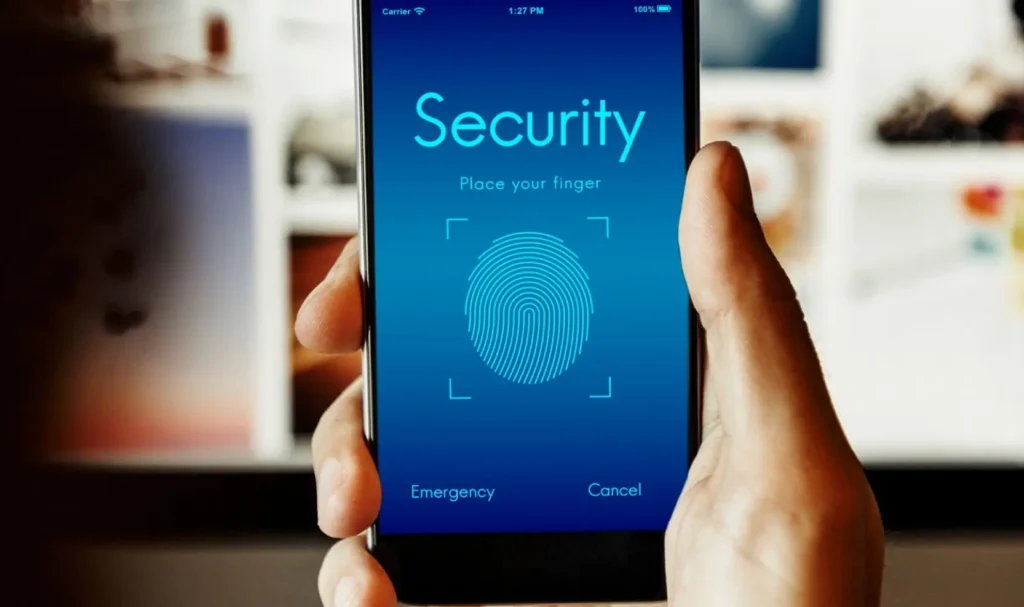
For most users, the neobank is the app. If the app is insecure, then the whole bank is insecure.
Mobile app security is one of the most frequently flagged areas in neobank and digital wallet security audits — and not without reason.
What Mobile Audits Uncover
Local data storage issues — Sensitive information like session tokens, account numbers, or transaction history stored in plain text on the device. If someone steals the phone, they can see everything.
Reverse engineering vulnerabilities — Apps that can be decompiled to reveal API keys, backend URLs, or business logic. Hackers use this to craft targeted attacks.
No certificate pinning — Without this protection, attackers can intercept the communication between the app and the server using a man-in-the-middle attack.
Insecure logout — Sessions that remain active after a user logs out, meaning stolen devices can still be used to access accounts.
| Mobile Risk | Severity Level | Common Platform |
|---|---|---|
| Plain text local storage | High | iOS & Android |
| Missing certificate pinning | High | Android |
| Reverse engineering exposure | Medium | Android |
| Insecure session handling | High | iOS & Android |
| Weak biometric implementation | Medium | iOS & Android |
Risk 8: Inadequate Fraud Detection and Transaction Monitoring
Fraud detection is not one size fits all. It has to be intelligent, current, and carefully calibrated. When it isn’t, fraud creeps in — and legitimate customers bear the cost.
The Most Common Gaps Auditors Uncover
- Rules-based systems that haven’t been updated in years, missing modern fraud patterns
- No behavioral analytics — the system doesn’t know what “normal” looks like for a given user
- Alerts that fire so frequently they get ignored (alert fatigue)
- Transaction limits set so high they offer no real protection
- No velocity checks — nothing flags when 40 transactions occur within two minutes
Fraud detection needs to be dynamic. Criminals evolve. If the detection system doesn’t adapt to them, it becomes useless.
During audits, teams often simulate fraud attacks — and it’s sobering to see how many go through completely undetected.
Risk 9: Cloud Misconfiguration and Infrastructure Exposure
The cloud is where neobanks live. AWS, Google Cloud, Microsoft Azure — these platforms pack a punch, but they require careful configuration. One wrong setting, and sensitive information suddenly becomes available to the entire internet.
The Most Dangerous Cloud Misconfigurations
- Public storage buckets — Databases or file storage set to public access by default or by mistake, exposing customer records to anyone with a browser
- Open ports — Network ports left open that allow external access to internal systems
- Overprivileged service accounts — Cloud services given admin-level permissions when they only need restricted access
- No logging or monitoring — Activity in cloud environments not being tracked, making it impossible to detect intrusions
The Pegasus Airlines breach is a case in point — a misconfigured cloud storage bucket led to millions of sensitive records being exposed. Neobanks face the same risks, and the stakes are even higher when financial data is involved.
Auditors use specialized cloud scanning tools to detect such misconfigurations. And they find them in practically every audit they conduct.
Risk 10: Regulatory Compliance Failures
Security and compliance go hand in hand. When a neobank falls short of compliance standards, it usually indicates vulnerabilities beneath the surface.
Typical Compliance Failures Discovered During Audits
Depending on where the neobank operates, auditors test against standards like PCI DSS, GDPR, PSD2, and local financial regulations. What they find includes:
- Card data stored beyond the permissible retention period
- No clear data deletion process for customers who close their accounts
- Inadequate audit trails for financial transactions (regulators require detailed logs)
- No user consent management for data processing activities
- Absent or outdated Data Protection Impact Assessments (DPIAs)
These aren’t just paperwork problems. Each one represents a real gap in how customer data is managed and safeguarded.
The penalties for failing to comply can be enormous — but the damage to reputation is often even worse.
Risk 11: Poor Incident Response Readiness
What happens when something goes wrong? If a neobank doesn’t have a clear, tested answer to that question, the incident response failure becomes a second disaster on top of the first.
It’s one of the most overlooked vulnerabilities found in security audits.
Signs of Inadequate Incident Response Readiness
- An incident response plan that exists on paper but has never been tested
- No defined chain of command for who makes decisions during a breach
- Communication templates that haven’t been approved by legal
- No specified timeline for notifying regulators and customers after a breach (GDPR requires 72 hours)
- Backups that exist but have never been tested for restoration
Auditors don’t just read the incident response plan. They run tabletop exercises — simulated crisis scenarios — and watch how the team responds. The results are often eye-opening.
A bank that takes too long to decide who is in charge during a breach is not one that its customers can trust.
Risk 12: Social Engineering and Phishing Vulnerabilities
Technology can be bulletproof. People cannot.
Social engineering attacks — where criminals manipulate employees or customers into handing over access or information — are one of the oldest tricks in the book. And in 2025, they still work beautifully.
How Social Engineering Shows Up in Neobank Audits
Security teams run controlled phishing simulations as part of audits. They send fake phishing emails to employees and measure how many click, how many enter credentials, and how many report the email as suspicious.
The findings are consistently alarming across the industry.
Other social engineering risks include:
- Customer support teams that can be manipulated into revealing account information without proper verification
- Employees who will reset passwords over the phone based on basic personal details
- No training program to help staff identify spear-phishing attacks (highly targeted, personalized scams)
- Fake websites or apps that mimic the neobank’s interface to steal login credentials
The human layer is the most exploited layer. No amount of technical security can fully compensate for this without regular training, simulation, and strict verification procedures.
How These 12 Risks Collide with Each Other
Security risks are rarely singular in nature. They compound.
Weak authentication (Risk 1) becomes catastrophically worse when combined with no fraud detection (Risk 8). A third-party vendor breach (Risk 6) causes maximum damage when there is no incident response plan (Risk 11). A cloud misconfiguration (Risk 9) combined with weak encryption (Risk 3) can expose millions of records in a single afternoon.
This is why security audits take a holistic view. They don’t just tick boxes. They look at how risks converge and multiply.
Here’s a simple visual of how these risks cluster:
| Risk Category | Risks Involved | Potential Impact |
|---|---|---|
| Identity & Access | Risk 1, Risk 5 | Account takeover, insider theft |
| Data Protection | Risk 3, Risk 9 | Massive data exposure |
| Fraud & Transactions | Risk 2, Risk 8 | Financial losses, undetected fraud |
| Compliance & Governance | Risk 4, Risk 10, Risk 11 | Regulatory fines, license loss |
| External Threats | Risk 6, Risk 12 | Supply chain attacks, phishing breaches |
| Technical Infrastructure | Risk 7, Risk 9 | App exploitation, cloud exposure |
FAQs About Neobank and Digital Wallet Security Audit Risks
Q: Is the potential for failure unique to neobanks, or do traditional banks also face these risks? Traditional banks are exposed to many of the same risks. But neobanks are even more vulnerable since they depend entirely on digital infrastructure, move faster, and at times prioritize product launches over security hardening. Legacy banks have their own issues, but they also have decades of compliance muscle memory to rely on.
Q: Which of the 12 risks is the most dangerous? That depends on the platform. But broken authentication and API flaws are usually the most readily exploitable. If an attacker can break into anyone’s account without a password — or just by changing a number in an API request — they can cause enormous harm in minutes.
Q: How exactly do auditors test for these risks? Auditors use a mix of automated scanning tools, manual testing, social engineering simulations, code reviews, and infrastructure analysis. They also evaluate policies, interview staff members, and test incident response plans through tabletop exercises.
Q: Can a neobank address all 12 risks at once? Not typically. After an audit, risks are usually classified by severity — critical, high, medium, and low. The most serious problems are typically resolved first, sometimes within days. Less critical items can be handled over a number of weeks or months.
Q: How can I tell if a neobank I use is safe? Keep an eye out for indicators such as MFA options, regulatory licensing, transparent privacy policies, and a public security or trust page. You can also check if the company has completed SOC 2 or ISO 27001 certifications, which are a good indication that they take security seriously. Resources like BankProfi also follow neobank news, including security developments and regulatory updates.
Q: What should a neobank do immediately after completing a security audit? Start with the critical findings. Fix broken authentication, patch exposed APIs, and rectify any compliance failures right away. Then build a remediation roadmap for the rest. And most crucially, don’t treat the audit as a one-time event — schedule the next one before you’ve finished fixing everything found in this one.
Q: Do digital wallets face different risks than neobanks? They share many of the same risks, especially around mobile app security, authentication, and fraud detection. Digital wallets tied to bank accounts are at even greater risk since a breach could result in immediate financial loss, as opposed to just data exposure.
The Bottom Line: Audits Don’t Create Risks — They Simply Expose Them
Here is what to take away from this article.
The 12 risks discussed here are not created by security audits. They already exist. The audit just shines a light on them.
And that light is of immense value — because a risk you can see is a risk you can do something about.
Neobanks that conduct frequent, thorough security audits and take the results seriously are the ones building lasting trust. They’re the ones you don’t read about on the front page of the news following a major breach.
Digital banking is fast, convenient, and the future of finance. But that future rests entirely on security being treated as a priority — not an afterthought.
If you use a digital wallet or neobank, ask questions. Look for transparency. Support platforms that invest in their security posture. You can also stay informed through trusted sources like the Financial Stability Board, which regularly publishes reports on cybersecurity risks in digital finance.
And if you work in fintech — run the audit. Fix what you find. Then do it again.
Because in digital banking, the risks never sleep. And neither should your defenses.